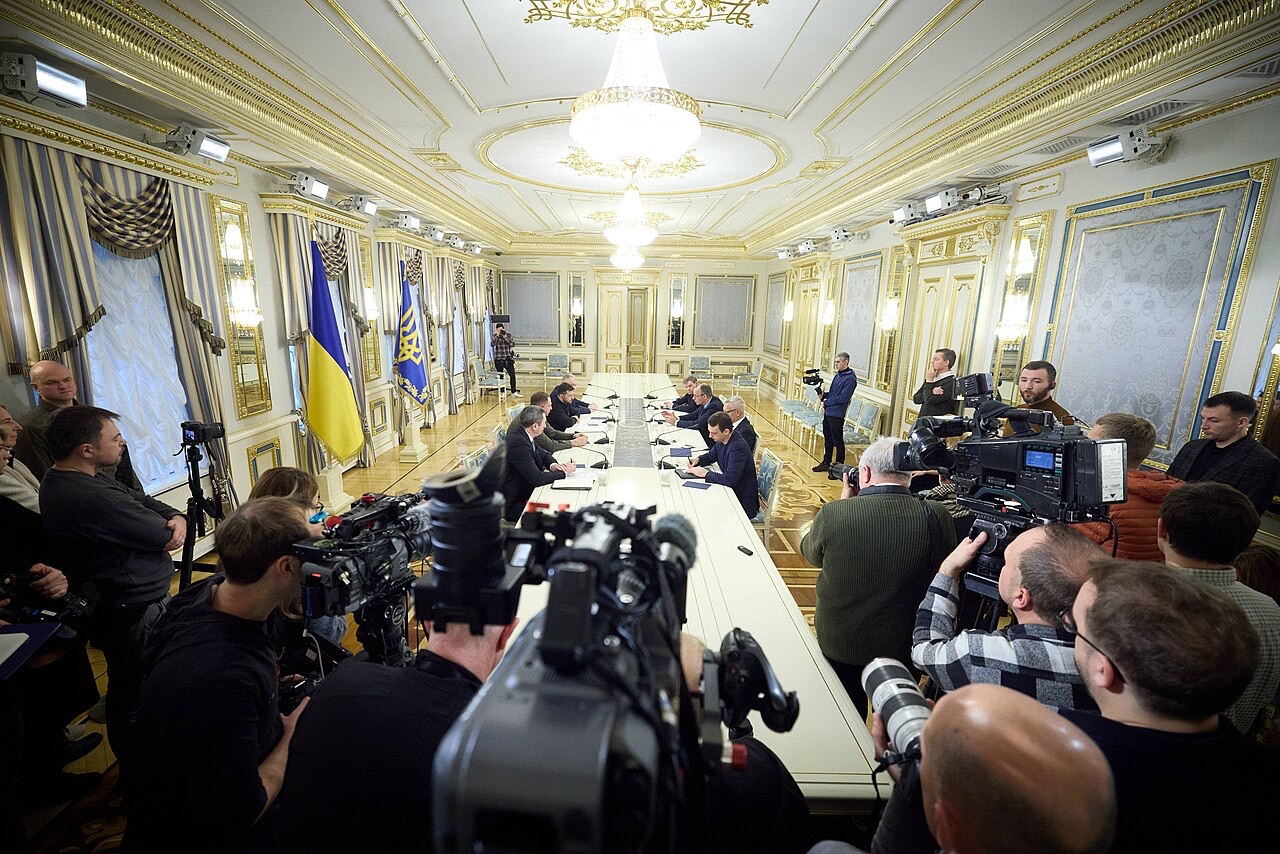
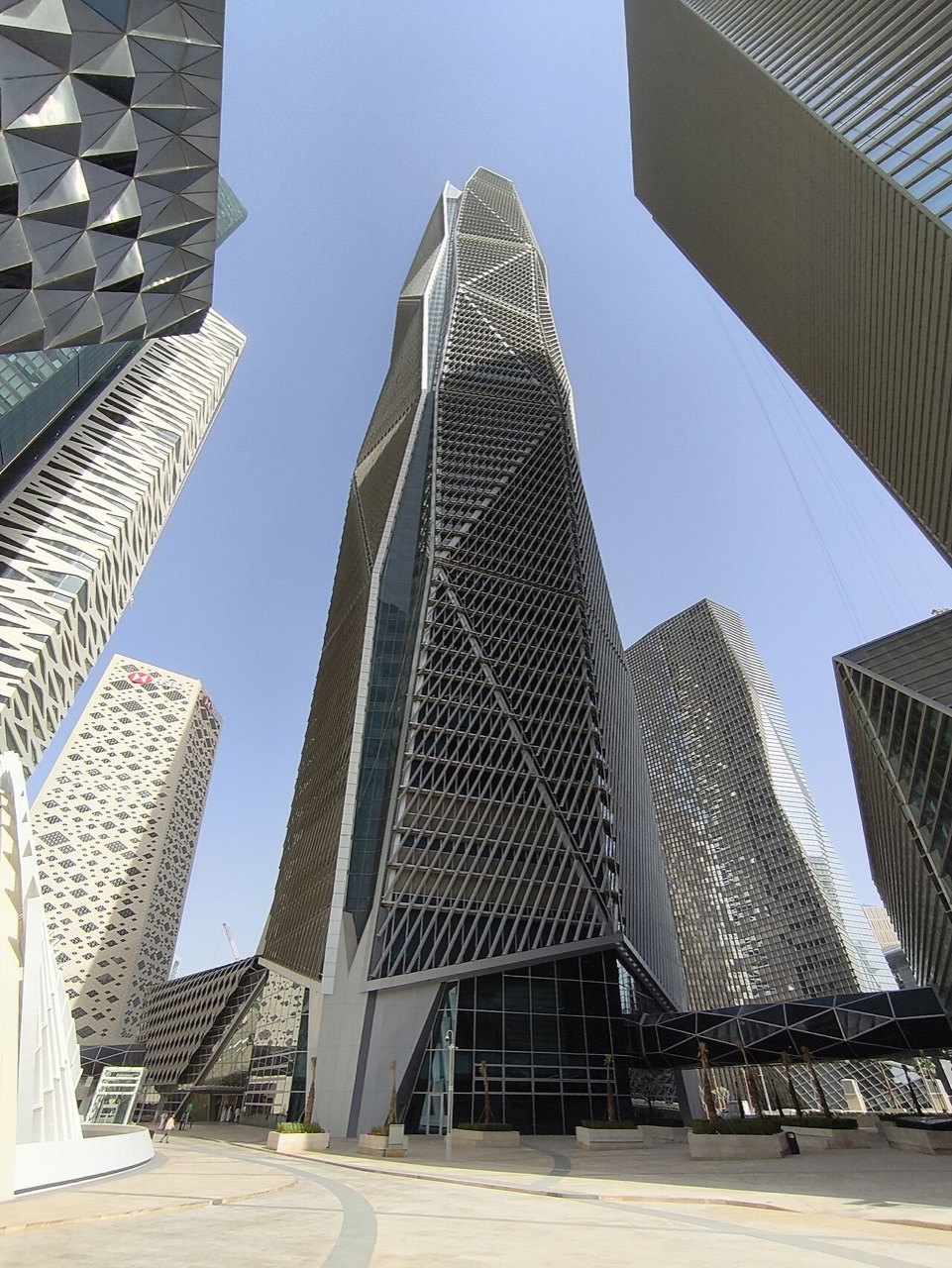
RIYADHA missile attack launched by Iran-backed Houthi militants struck the 80-story Public Investment Fund (PIF) Tower inside Riyadh's King Abdullah Financial District (KAFD) before 05:00 local time on Thursday (Nov 19, 2026), shattering residents awake with a loud blast and forcing emergency evacuations.
Three sources told Reuters and AFP that the impact shattered glass across seven to eight floors and warped metal cladding on the 385-meter skyscraper, the tallest building in the Saudi capital's financial hub. Security authorities sealed off entrances to KAFD, evacuated personnel, and dispatched ambulances and fire crews, with no casualties or injuries reported in initial assessments.
How did Saudi air defenses respond to the strike?
The Saudi-led military coalition stated its air defenses engaged a Houthi missile threat targeting Riyadh, attributing structural damage to falling debris while material losses remain under review. Coalition spokesperson Turki al-Malki also reported intercepting five ballistic missiles aimed at southern Saudi regions bordering Yemen; PIF acknowledged requests for comment, whereas Houthi officials made no immediate public statement.
Thursday's strike marked the second attack on a flagship Riyadh corporate landmark in under two weeks following a November 8 strike that damaged a Saudi Aramco building. Since Yemen's civil conflict flared anew in July 2026 alongside the broader US-Israel-Iran confrontation, Houthi forces have repeatedly targeted Saudi airports, energy sites, and financial hubs while seizing territory that forced pro-government Yemeni troops to withdraw last weekend.

Strategic stakes for PIF and Indonesian markets
Damaging the headquarters of Crown Prince Mohammed bin Salman's flagship sovereign wealth fund—which oversees more than $900 billion in assets alongside the Saudi stock exchange and offices of multinationals such as Goldman Sachs—strikes directly at Riyadh's economic diversification showcase. Analysts warn recurring alerts in KAFD risk rattling international capital just as regional security strains deepen across the Gulf.
For Indonesia, missile strikes reaching Saudi Arabia's premier financial district raise dual concerns over risk-off pressure weighing on the rupiah near Rp18,254 per US dollar and the safety of Indonesian workers and pilgrims across the kingdom. Domestic policymakers and importers are also tracking Gulf security developments closely for potential knock-on shocks to energy shipping and inflation.