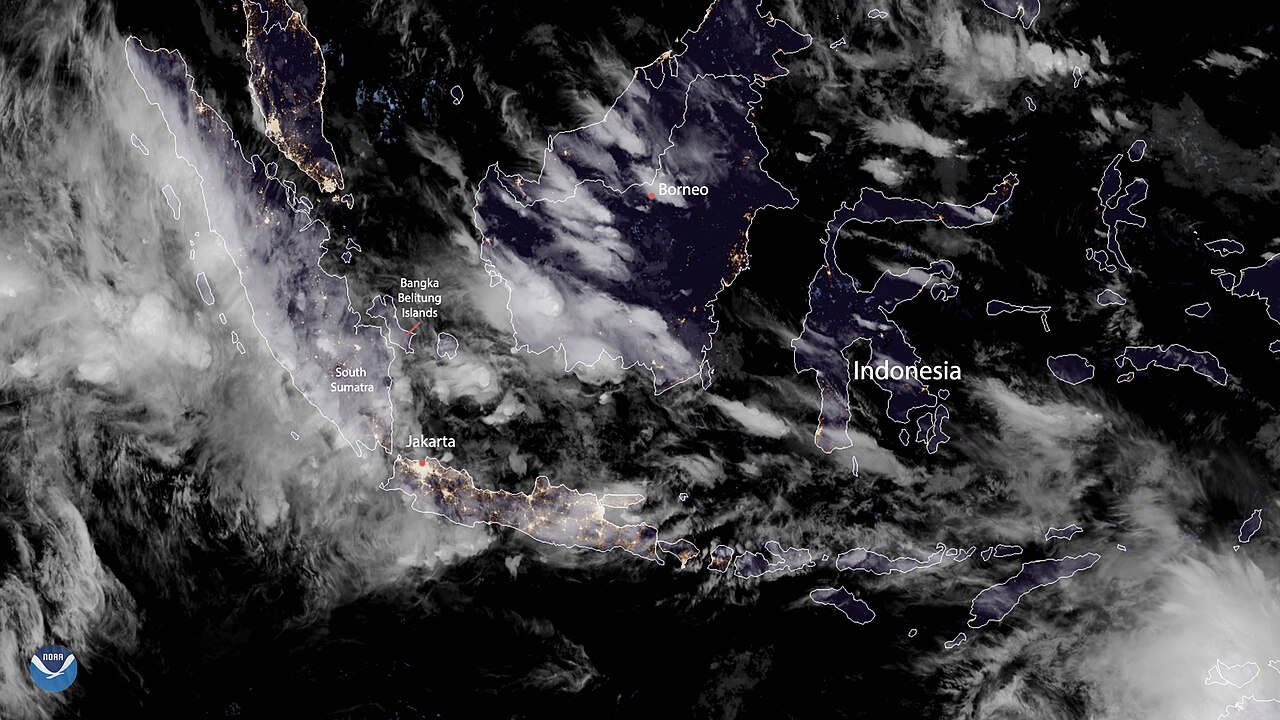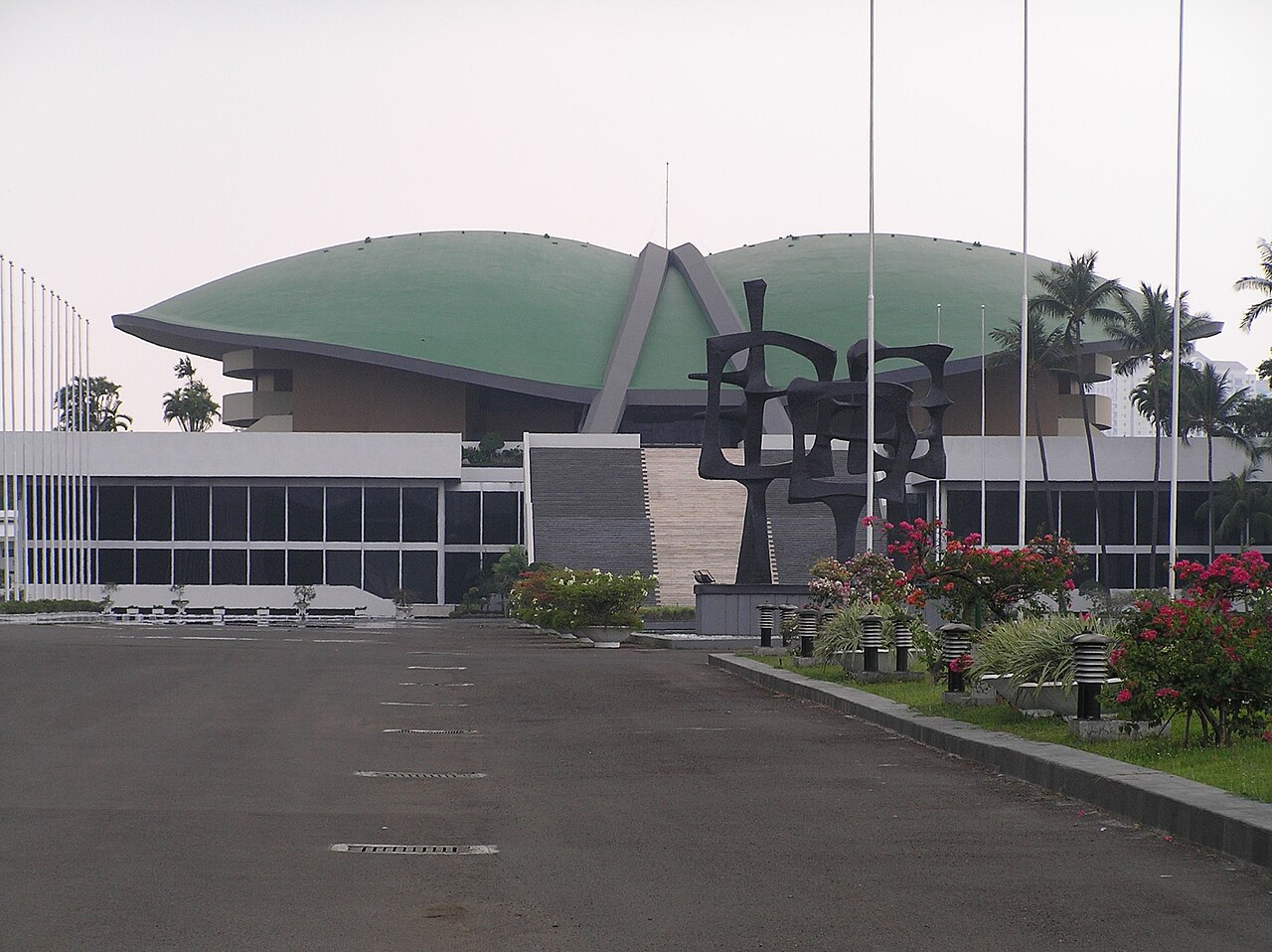
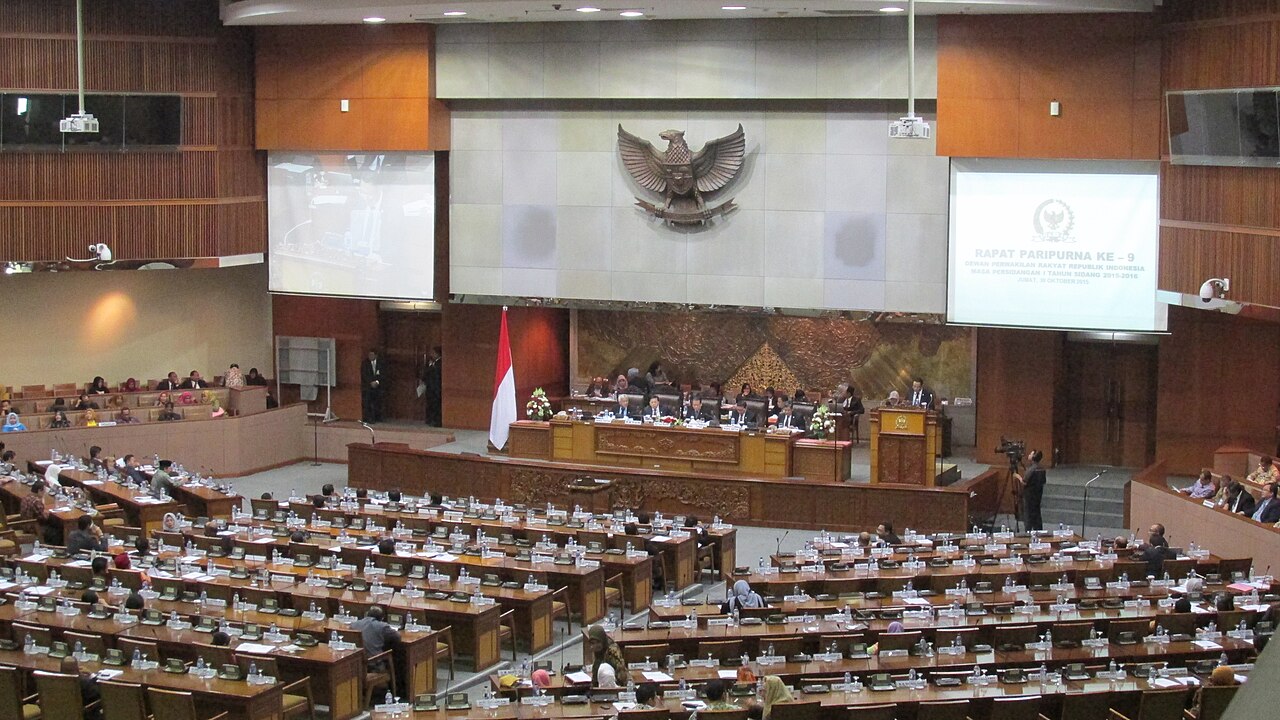
JAKARTAIndonesia's House of Representatives (DPR) formally passed the Asset Forfeiture Bill on Corruption and Other Criminal Offenses into law during its 13th plenary session in Jakarta on Thursday, November 19, 2026. House Speaker Puan Maharani chaired the session alongside four deputy speakers, with 361 of 573 legislators across all parliamentary factions recorded present or signing the register, ending an 18-year legislative wait since 2008 ahead of a December 15 deadline.
Which offenses fall under the new asset forfeiture law?
The statute covers asset recovery tied to corruption, narcotics, terrorism financing, weapons and hazardous-material smuggling, human trafficking, and large-scale information-technology fraud including bogus investment and stock schemes. Deputy Law Minister Edward Omar Sharif Hiariej said the law authorizes both conviction-based and non-conviction-based forfeiture while preserving criminal penalties against offenders, including capital punishment where applicable.
To prevent abuse, the legislation mandates a dedicated presidential asset-management agency, an independent oversight board, and an integrated digital registry covering tracing, asset freezes, seizures, storage, and disposal. Non-conviction seizures remain subject to court petitions and hearings, while protecting good-faith third parties through balanced evidentiary safeguards.
How were 397 bill provisions resolved before the plenary vote?
Lawmakers finalized the text after House Commission III's working committee examined 397 inventory items—retaining 160 provisions, editing 135, revising 40 substantive clauses, deleting 44, and adding 18 new rules. Previously, on November 18, Commission III secured unanimous approval from all eight parliamentary factions under Deputy Speaker Sufmi Dasco Ahmad following 87 public hearings and 15 provincial consultations across 46 electoral districts.

Speaking before gaveling the bill through, Speaker Puan Maharani said the House acted after completing rigorous harmonization with Indonesia's Criminal Code and Criminal Procedure Code rather than bowing to outside pressure. Cabinet representatives attending the plenary included Administrative and Bureaucratic Reform Minister Rini Widyantini and Deputy State Secretary Bambang Eko Suhariyanto alongside Deputy Law Minister Hiariej.
Why Non-Conviction Asset Recovery Matters for Indonesia
For Indonesian taxpayers and financial-crime victims, the new framework strengthens the state's ability to reclaim illicit wealth even when suspects flee abroad or die before a criminal verdict. Transparent management by the new asset agency and strict judicial checks will now determine whether recovery translates into durable public trust.