JAKARTAIndonesia's North Coast Java Management Authority (BOPPJ) plans to break ground in 2027 on the first phase of a 575-kilometer Giant Sea Wall stretching from Serang, Banten, to Gresik, East Java. Authority head Didit Herdiawan Ashaf told House Commission IV lawmakers in Jakarta on Thursday, November 19, 2026, that work will begin at two urgent corridors out of 15 planned segments.
Where will the first two Giant Sea Wall segments begin in 2027?
Construction starts at Segment 3 in Jakarta Bay, centered on Babelan in Bekasi, West Java, and Segment 12 in Semarang Bay covering Kendal, Semarang, and the flood-prone Sayung coast in Demak. Didit warned lawmakers that without urgent coastal protection, severe land subsidence and tidal inundation threaten to submerge vulnerable northern Java communities within a short timeframe.
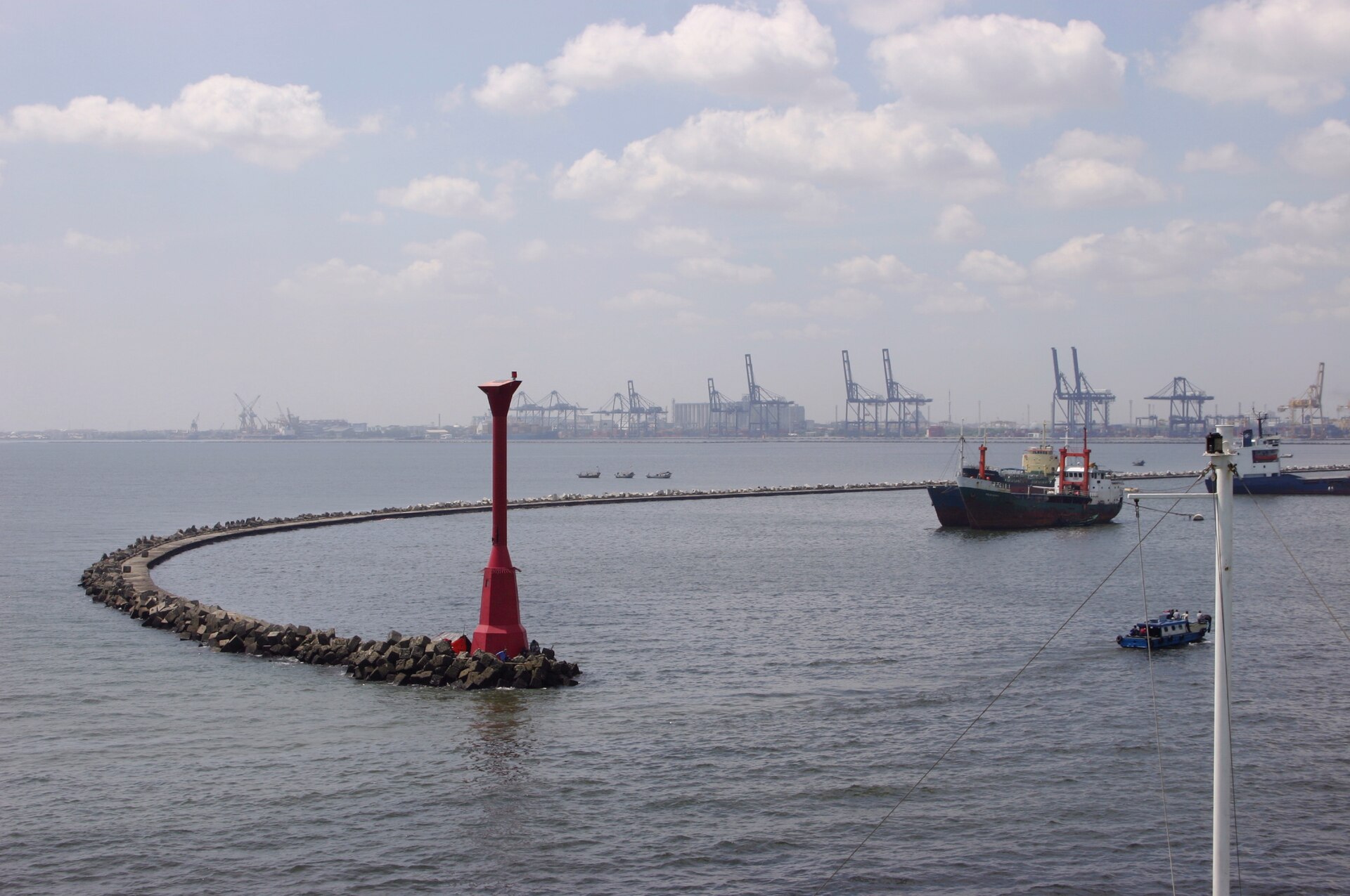
In Jakarta Bay, the seawall will run 42.82 kilometers across three engineering packages integrated with mangrove buffers along eastern Bekasi. Planners project the barrier will enclose roughly 7,000 hectares of raw freshwater retention reservoirs while carrying toll roads, rail corridors, gas pipelines, power and fiber-optic lines, and bridges coordinating with state port operator Pelindo.
How does BOPPJ combine concrete seawalls with mangrove defense?
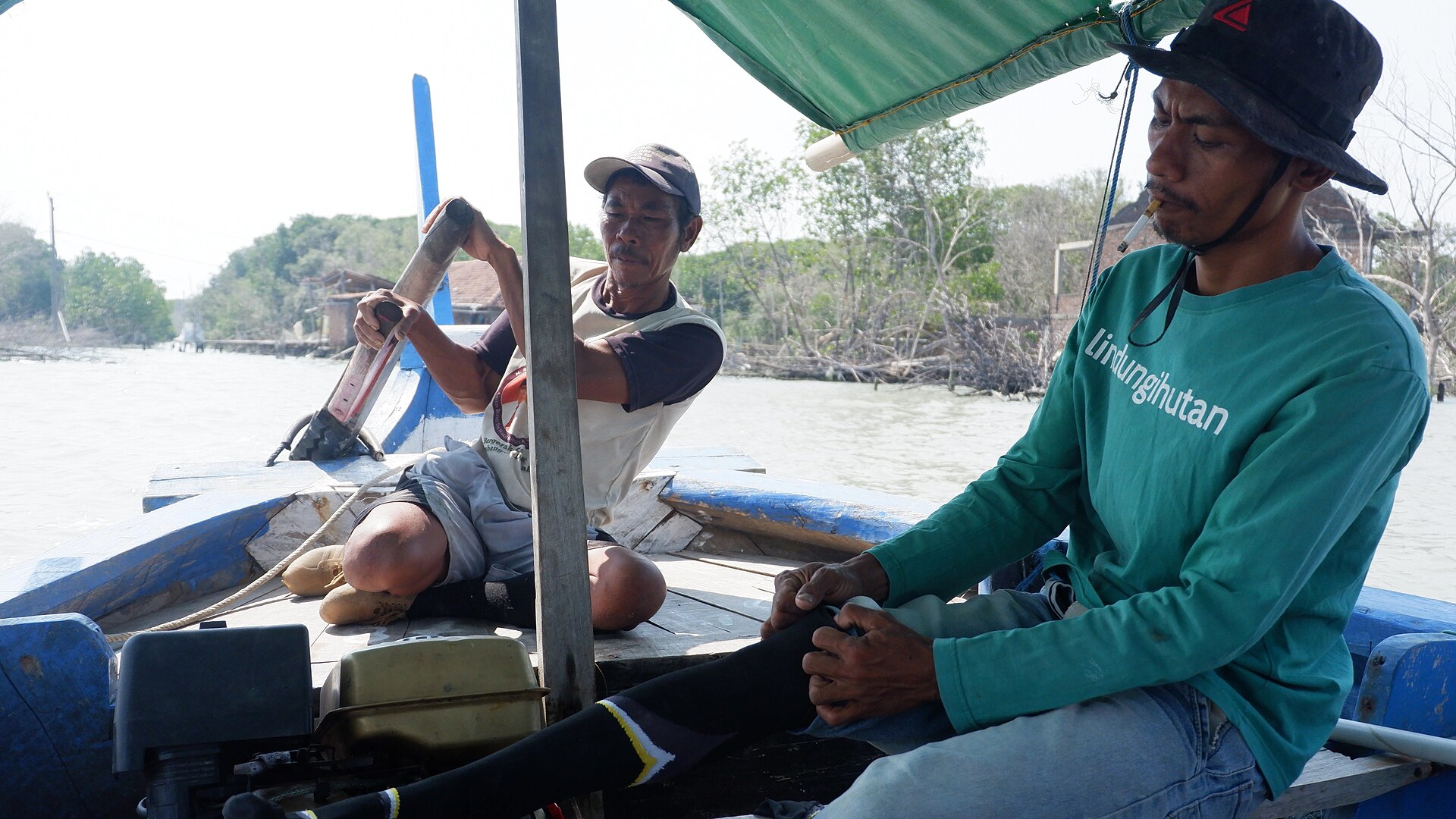
Didit emphasized that President Prabowo Subianto's flagship coastal defense relies on a Nature-Based Solution pairing concrete walls and breakwaters with mangrove restoration, rather than hard infrastructure alone. BOPPJ has already built a 20-hectare mangrove demonstration plot in Timbulsloko, Sayung, Demak, and drafted General Engineering Designs with domestic and international specialists.

Lawmakers on the House Budget Committee approved Rp481.1 billion in pure state-rupiah funding for BOPPJ under the 2027 State Budget Financial Note. Didit stated that about 90 percent of the allocation funds priority programs—with 70 to 80 percent earmarked for 2027 groundbreaking preparations at Jakarta Bay and Semarang Bay—while roughly 10 percent covers agency overhead.
Why coastal protection matters for northern Java
The timetable carries high stakes for millions living across Java's industrial northern shoreline as climate and urban water pressures intensify. Earlier on November 19, AIGOS News reported BMKG extreme-rain alerts across 37 Indonesian regions alongside Jakarta's plan for a 58-hectare urban conservation park, underscoring why flood defense and raw-water storage demand disciplined delivery.