GazaIsraeli forces launched a rare ground operation in central Gaza on Wednesday, November 18, 2026, advancing west of the so-called Yellow Line in the first major publicly announced incursion beyond Israeli-held zones since the October 10, 2025 ceasefire took effect.
Where did Israeli forces advance and how did residents respond?
Witnesses and correspondents reported Israeli tanks and bulldozers moving onto Salah al-Din Street east of the Nuseirat refugee camp and north of Bureij under heavy gunfire and artillery cover. Israel's military civil-affairs body, COGAT, shut down that stretch of Gaza's main north-south highway and ordered residents in surrounding neighborhoods to evacuate until further notice.

Footage authenticated by BBC Verify captured civilians fleeing along Salah al-Din Street roughly 1.5 kilometers west of the Yellow Line amid shelling, as Nuseirat residents reported leaving behind blankets and clothing in sudden panic. On the same day, Gaza's Civil Defence reported three Palestinians killed in separate Israeli drone strikes near Nuseirat, Gaza City, and Deir el-Balah, while an al-Awda Hospital official reported one death from a strike on al-Mughraqa.
Why does the incursion threaten the October 2025 ceasefire?
The Israel Defense Forces and Shin Bet security agency said the joint operation aimed to dismantle a tunnel and Hamas infrastructure posing an immediate threat west of the ceasefire line, with Defense Minister Israel Katz warning Israel is prepared to seize more land if fronts escalate. Hamas condemned the advance as a flagrant violation of the truce, coming right after the US-backed Board of Peace warned the UN Security Council that the 13-month ceasefire faces collapse amid mutual breach accusations and deadlocked talks over Hamas disarmament and Israeli control of over 60 percent of Gaza.

While near-daily shelling and strikes since October 2025 have killed at least 1,658 Palestinians and wounded 6,000 according to Gaza's Health Ministry, Israel's military reported six soldiers killed in figures cited by BBC News and seven in AFP reporting. Since war erupted after Hamas's October 7, 2023 attack that killed about 1,200 people and took 251 hostage, Gaza's death toll has exceeded 74,700, while talks remain deadlocked over Hamas disarmament and Israeli control of over 60 percent of Gaza.
What does the escalation mean for Gaza's 2.1 million civilians?
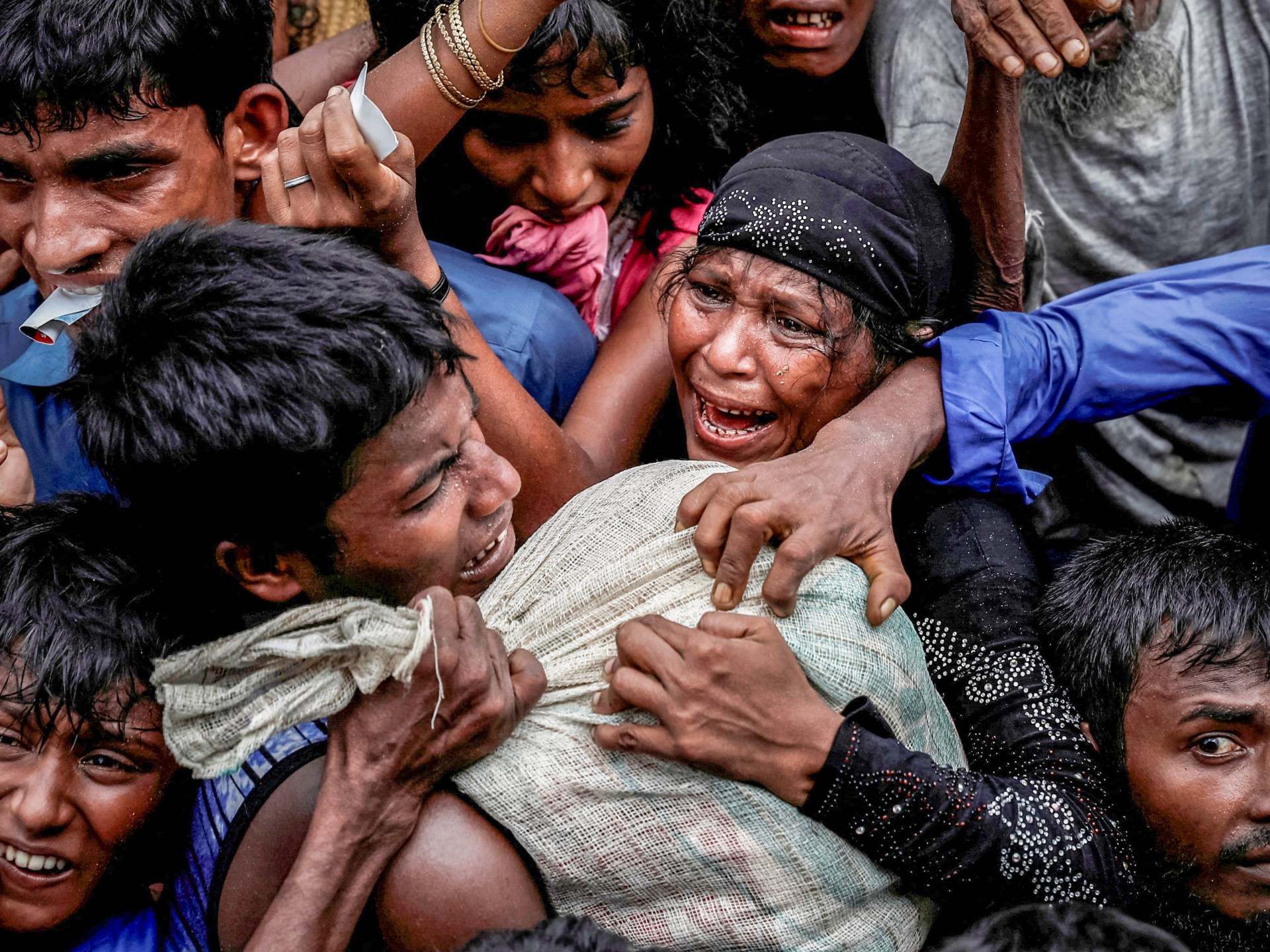
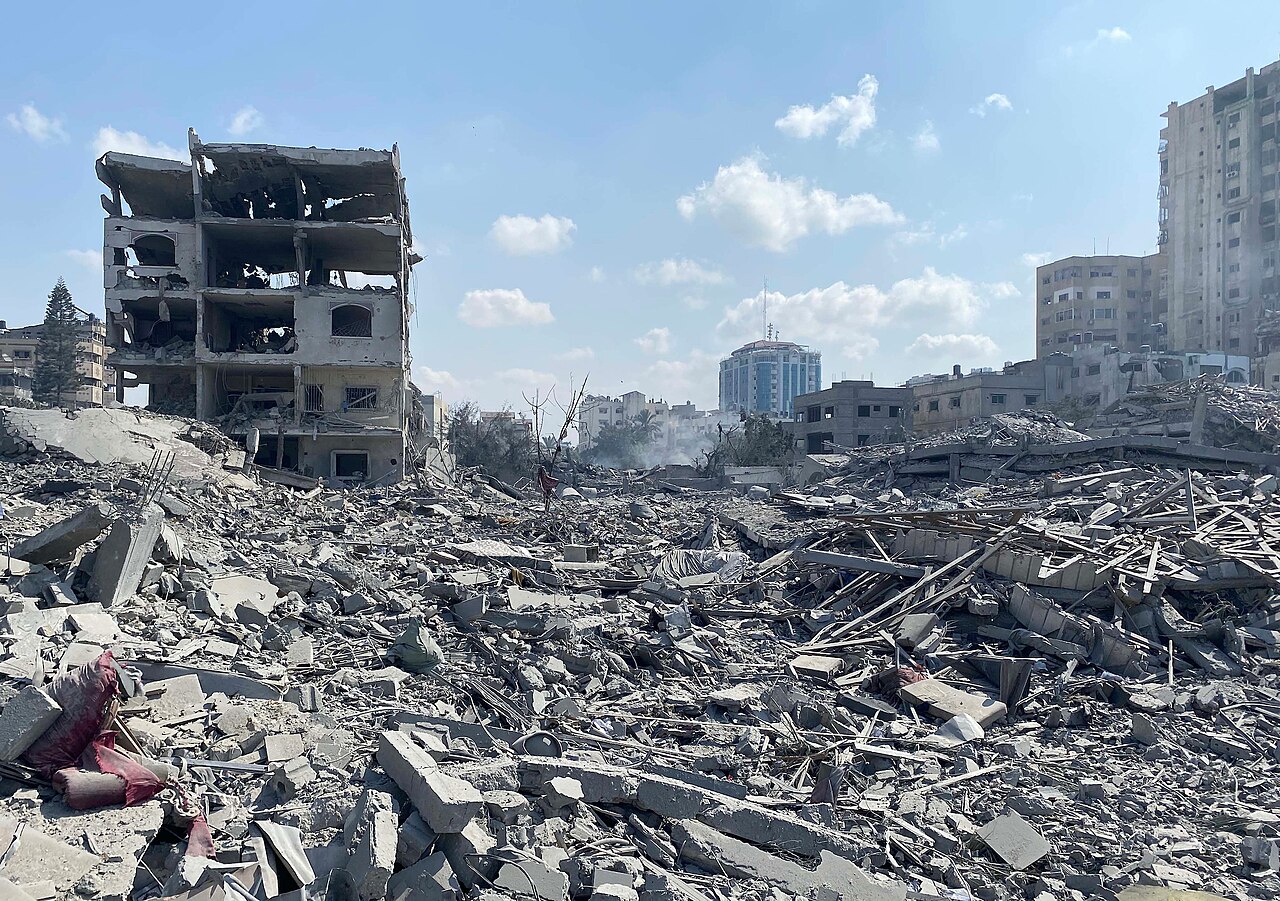
For Gaza's 2.1 million civilians, any widening ground offensive threatens to collapse already fragile survival conditions inside the shrunken non-Israeli zones. United Nations figures show more than 1.9 million people—roughly 90 percent of Gaza's population—remain displaced, including 1.4 million living in makeshift tents with 82 percent of structures damaged or destroyed, while the International Organization for Migration says roughly 100,000 aid tents are still stalled at border crossings.