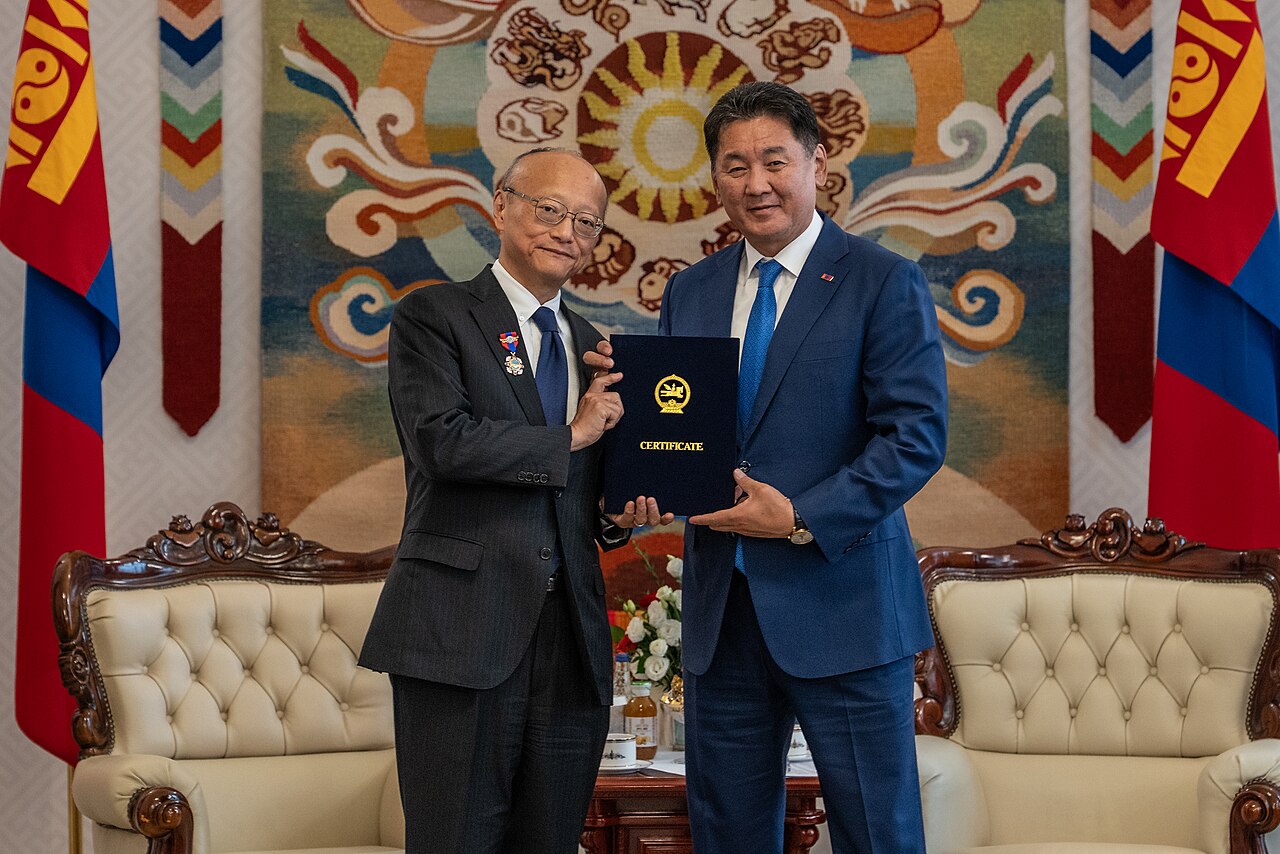
UlaanbaatarMongolian President Khurelsukh Ukhnaa announced on Tuesday, November 17, 2026, that he intends to resign from office after facing corruption allegations and an impeachment ultimatum from the opposition Democratic Party.
What allegations triggered President Khurelsukh's resignation?
Former Ulaanbaatar mayor Khishgee Nyambaatar accused Khurelsukh of accepting $25 million (about €23 million) in bribes from conglomerate Bodi International LLC over the Tavantolgoi–Gashuunsukhait railway contract allegedly awarded without competitive bidding, while the Democratic Party demanded a parliamentary probe into nepotism and cash flows at state coal giant Erdenes Tavan Tolgoi. In a press briefing, Khurelsukh rejected the claims as defamation, insisting he had never stolen from the state or public and was stepping aside to cooperate with investigators and clear his name.
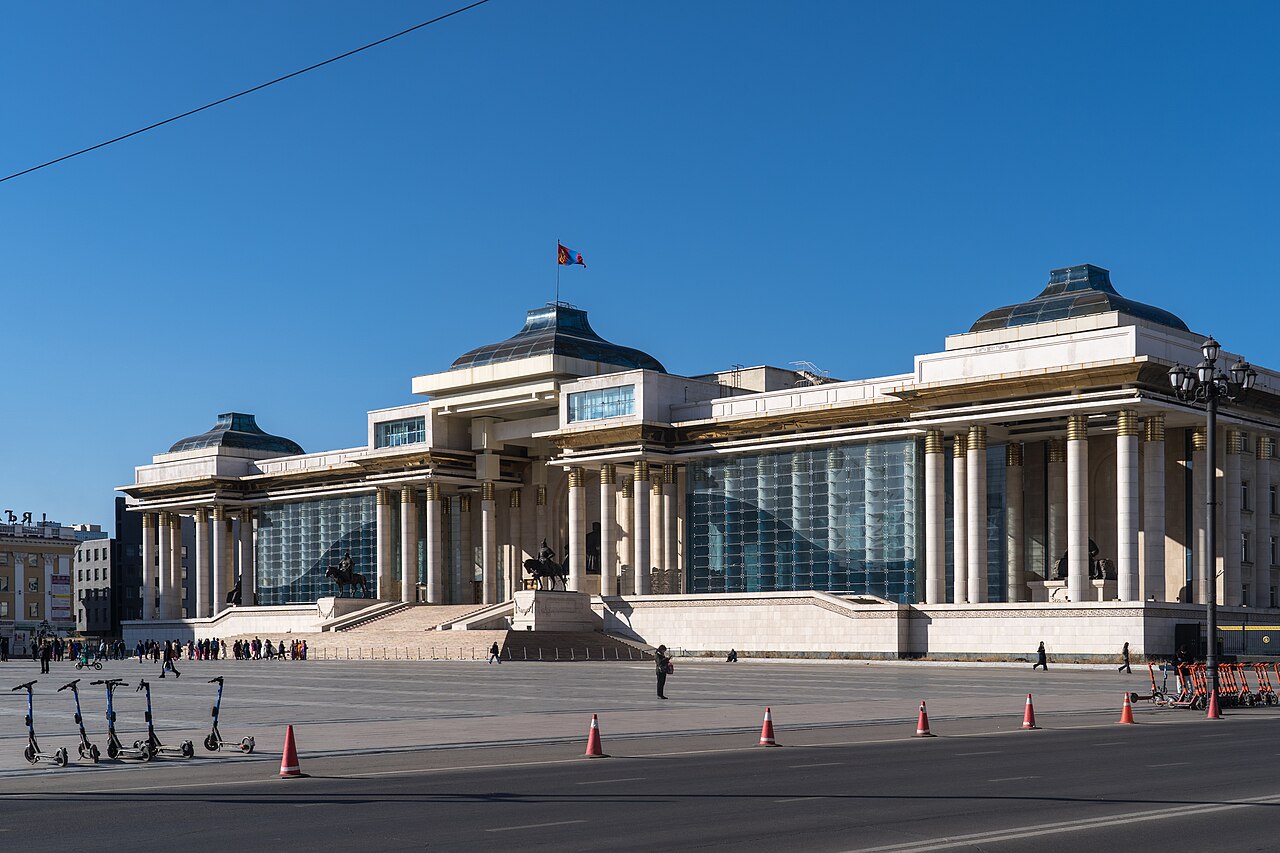
The political shock follows months of factional rivalry inside the ruling Mongolian People's Party (MPP) and sustained street protests in Ulaanbaatar, where thousands of young demonstrators rallied against entrenched corruption and wealthy political elites. Earlier turmoil already forced lawmakers to appoint a third prime minister in under 12 months back in March.
How does Mongolia's constitution handle a presidential resignation?
Under Mongolia's Law on the Presidency, Khurelsukh's resignation only takes legal effect once approved by more than 50 percent of lawmakers attending a plenary session of the 126-seat unicameral parliament, the State Great Khural. Lawmakers are slated to review the request in committee before holding a full plenary vote on Thursday, November 19, 2026.

Should parliament vote to relieve Khurelsukh of his duties, State Great Khural Speaker Sandag Byambatsogt of the MPP will take over as acting president during the transition. Mongolian law requires the legislature to organize an extraordinary presidential election within four months, ahead of regular general elections scheduled for 2027.
Why does Mongolia's political turmoil matter for its mining economy?
The leadership crisis carries high stakes because mining underpins Mongolia's economy and remains tightly interwoven with national politics. Scrutiny over rail links tied to Erdenes Tavan Tolgoi—operator of one of the world's largest coal deposits—could test investor confidence, commodity export governance, and cabinet stability across the country.