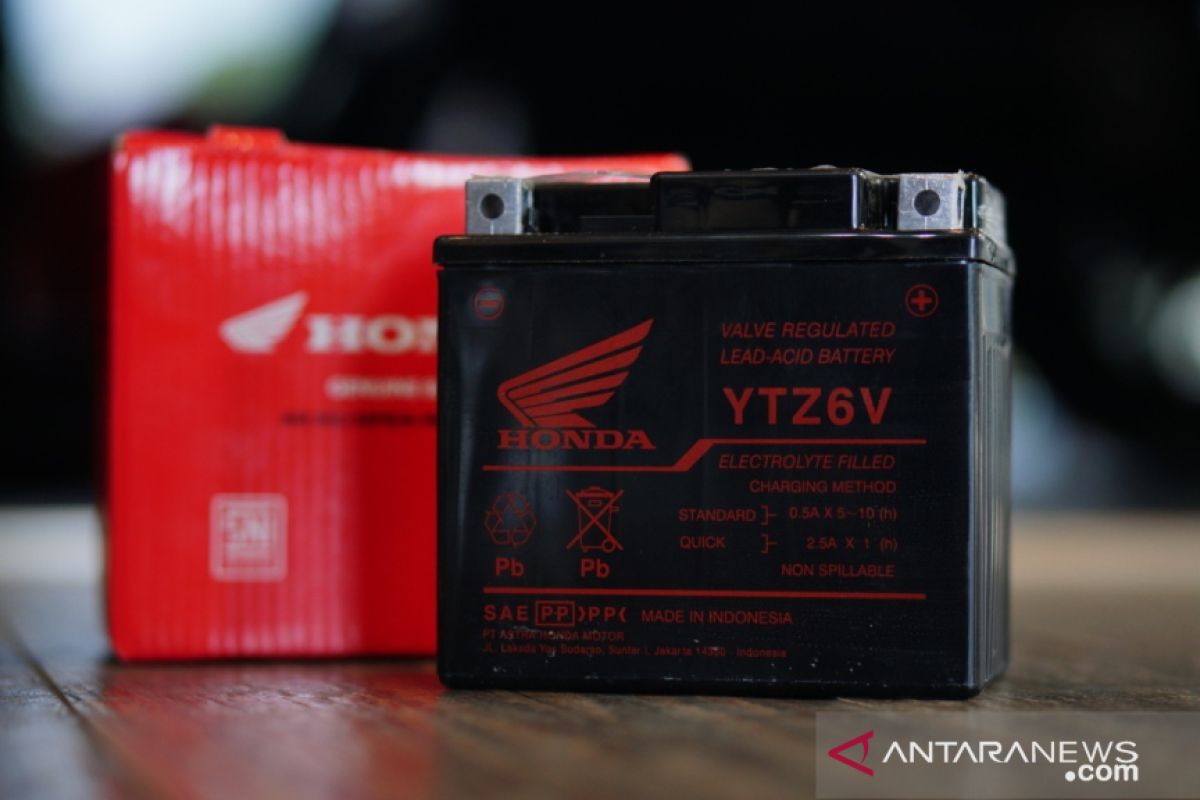
A motorcycle battery stores and supplies electricity for lights, the horn, instruments and the electric starter. Declining performance can cause difficult starting, dim lights and a weak horn. Maintenance therefore involves checking both the battery and the motorcycle’s charging system.
Choose a replacement with the manufacturer’s recommended voltage, capacity, dimensions and battery type. Ride regularly, allowing sufficient travel to replenish the power used, provided the charging system works normally. Briefly running the engine in a garage may be insufficient. During extended storage, check the battery periodically and consider a compatible smart charger.
Battery manufacturer GS Yuasa explains that batteries naturally lose charge and can lose capacity when left weak for extended periods. In lead-acid batteries, this can trigger sulfation that damages the plates. Alarms, immobilizers and certain other electronic devices may also consume electricity while the engine is off.
Keep terminals free of dirt and corrosion, follow the manual’s safety procedures and ensure cable connections are secure. Inspect the casing, voltage and health indicator where available. Monthly checks can guide owners of infrequently used batteries, although intervals should follow battery type and manufacturer instructions. Check electrolyte levels only in conventional flooded batteries; maintenance-free batteries should not be opened for water refilling.
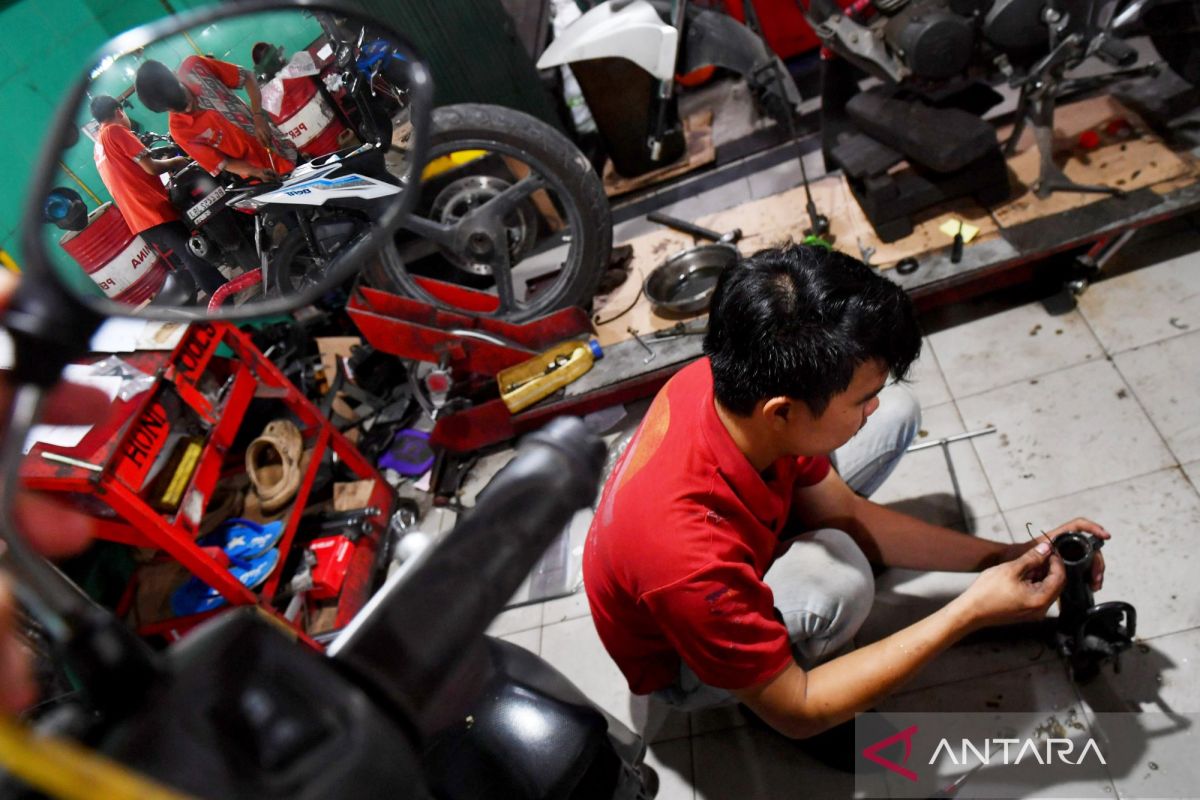
Keep electrical accessories within the charging system’s capacity and use a motorcycle charger compatible with the battery type. Charge in a ventilated area away from flames, stopping if swelling, leakage or unusual heat occurs. If replacement batteries repeatedly lose power, ask a workshop to inspect the alternator, regulator, wiring and connections, including possible short circuits or current leakage.