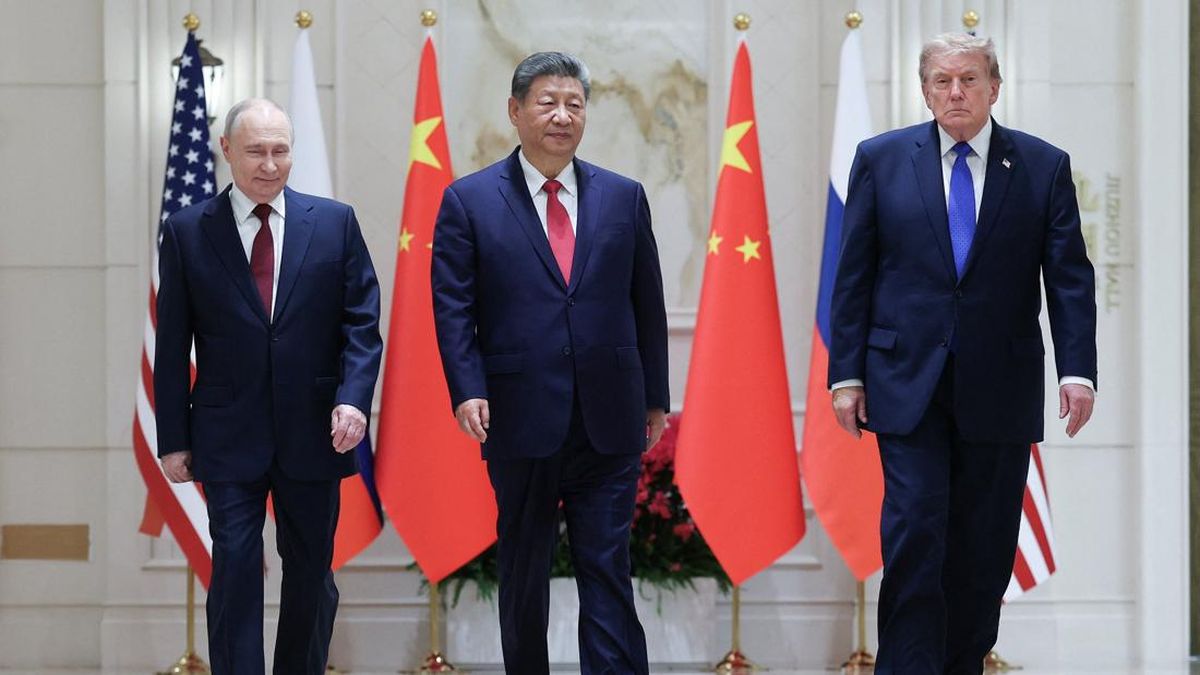
Russian President Vladimir Putin used his address at the Asia-Pacific Economic Cooperation summit in Shenzhen, China, to pitch heavy investments in Russia's Arctic regions. Moscow is hoping to spearhead year-round navigation on the Northern Sea Route, which is currently limited strictly to the summer months.
To support this grand vision, Putin proposed a comprehensive package featuring tax breaks on profits, property, and land, alongside reduced payroll contributions and preferential leases. The initiative follows his previous remarks at the Eastern Economic Forum in Vladivostok in September regarding expanded transport infrastructure.
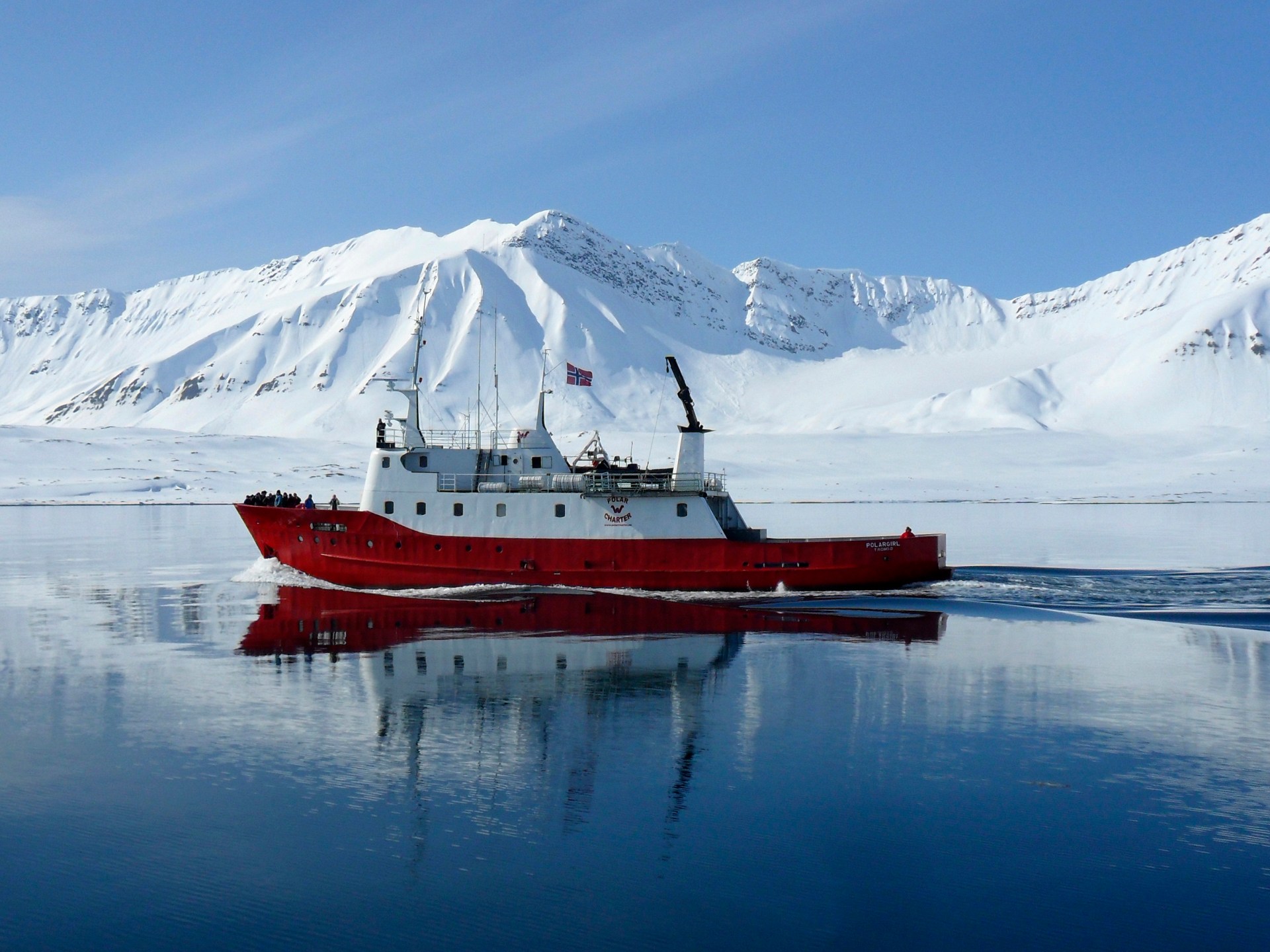
The 5,600-kilometer Arctic shipping corridor spans from the Novaya Zemlya archipelago to the Bering Strait. Proponents argue that a reliable polar route could bypass global trade bottlenecks currently paralysing critical waterways like the Suez Canal and the Bab al-Mandeb strait due to Middle East conflicts.
However, experts remain deeply skeptical about the commercial viability of year-round traffic. Andrey Todorov from the Netherlands Institute for the Law of the Sea warned that harsh climates, drifting ice, and low visibility will keep commercial operations largely niche and restricted primarily to Russian resource exports.
Meanwhile, the melting polar ice is exposing broader geopolitical fault lines. While China is strengthening cooperation with Moscow via its Ice Silk Road initiative, the United States has moved to secure a stronger military presence in Greenland to counter Russian and Chinese influence in the Arctic.