
JAKARTACipto Mangunkusumo National Referral Hospital (RSCM) in Jakarta officially launched its Cipto Nutrition facility on Thursday, November 19, 2026, introducing an automated total parenteral nutrition (TPN) compounding system for premature infants. The medical technology accelerates the preparation of sterile intravenous nutrients while minimizing human error compared with traditional manual mixing.
Why do 675,000 premature infants in Indonesia face double the stunting risk?
Clinical data from an RSCM study tracking 650 hospitalized premature babies revealed that 47 percent were discharged below standard weight, 49 percent experienced stunting at three months of age, and 13 percent remained stunted at age two. University of Indonesia medical professor and senior neonatologist Prof. Dr. dr. Rinawati Rohsiswatmo, SpA, SubspNeo noted that roughly 675,000 infants are born weighing under 1,500 grams or before 32 weeks of gestation out of Indonesia's 4.5 million annual births.

Infants in this very-low-birth-weight group face two to three times the risk of stunting because their immature digestive tracts cannot yet absorb nutrition normally during the first days of life. Previously, manually compounding a single sterile TPN bag containing precise ratios of protein, carbohydrates, lipids, vitamins, and electrolytes for infants under 1,000 grams required approximately 15 minutes per patient.
How does RSCM's automated TPN compounding system improve neonatal care?
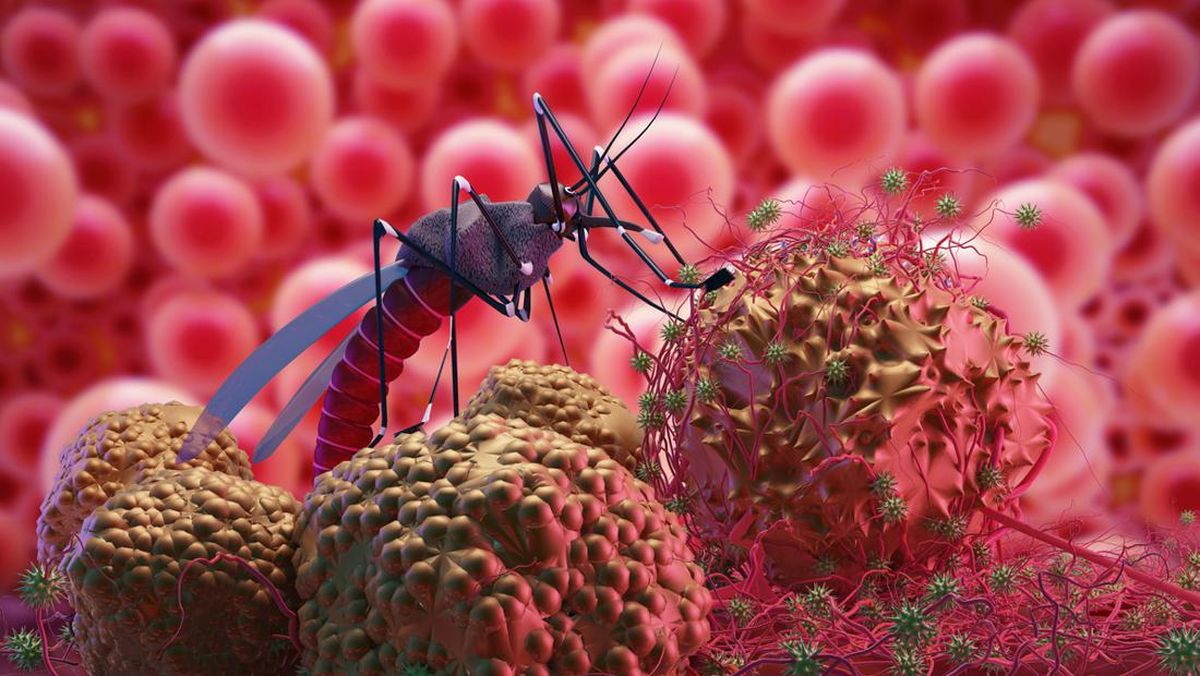
With RSCM's automated compounding system, standardized TPN formulas grouped by infant weight brackets can be produced in batches, while babies with congenital complications continue to receive customized mixtures. These neonatal care advances arrive as Indonesian health authorities confront climate-driven surges in dengue hemorrhagic fever (DBD); the World Health Organization estimates 100 million to 400 million global dengue infections annually, ranking Indonesia first in Southeast Asia and second worldwide after Brazil in dengue burden.
How are climate shifts and BPOM regulations shaping public health?
Meteorological agency (BMKG) assessments of the 2020-2023 triple-dip La Niña and a 2024 EnviroScienteae journal study covering 2007-2017 data found that moderate La Niña rainfall shifts correlated with rising dengue cases across 67.6 percent, or 23 provinces, of Indonesia. Meanwhile, Indonesian Food and Drug Authority (BPOM) head Taruna Ikrar met Jordanian Ambassador Sudqi Atallah Abdel Qader Al Omoush in Jakarta on Monday, November 16, to finalize a bilateral regulatory MoU with the Jordan Food and Drug Administration (JFDA), leveraging BPOM's December 2025 WHO-Listed Authority (WLA) status.
Why it matters for Indonesia: deploying automated neonatal nutrition at RSCM alongside stronger BPOM medicine oversight and climate-disease preparedness directly addresses the country's most urgent pediatric vulnerabilities. Delivering timely intravenous nutrition to 675,000 high-risk newborns each year is vital to achieving Indonesia's long-term national stunting reduction goals.