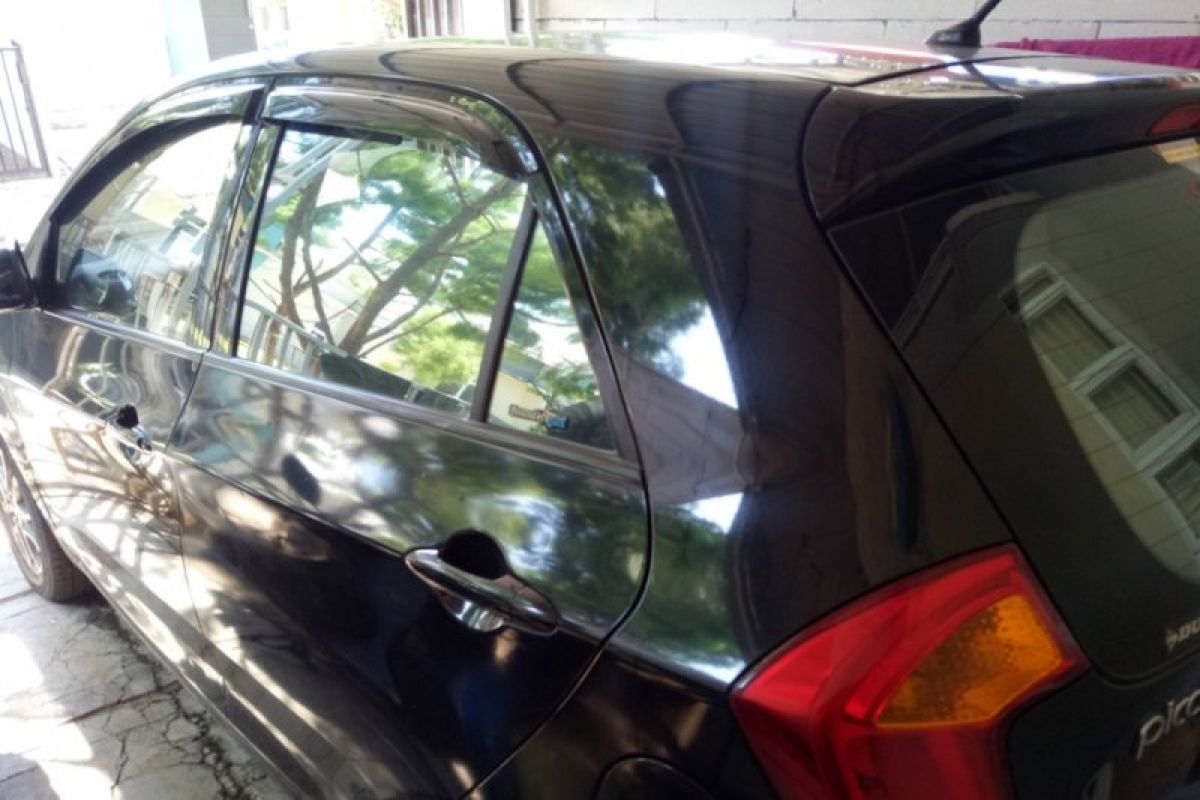
Rainwater can leave white spots on car windows as it evaporates, depositing minerals and dirt on the glass. The marks can become harder to remove over time and may reduce visibility, particularly when driving at night or in heavy rain.
Rinse the glass with clean water soon after the car has been in the rain, then dry it with a clean microfiber cloth. If time is limited, focus on the windshield, rear window, and side windows most exposed to rain. Clean the glass regularly with an automotive glass cleaner, following the product directions. Work in the shade so the cleaner has less chance of drying quickly and leaving fresh marks.
When possible, keep two microfiber cloths for the car’s glass. Use one to lift dirt and the other to dry the surface. A dirty or oily cloth can spread smudges, while wiping dusty glass with a dry cloth can leave fine scratches.
Wipe the rubber wiper blades regularly with a soft, slightly damp cloth. Check that the blades sweep water evenly without squeaking or leaving streaks. If the rubber is cracked or the blades no longer clear water effectively, replace them with parts that meet the vehicle’s specifications.
A compatible rain repellent can help water bead and run off the glass. Follow the product directions and keep cleaning the glass regularly. For stubborn marks, use a dedicated water spot remover as directed. Sharp objects, rough sponges, and abrasive products can scratch the glass or damage protective coatings. If the spots remain difficult to remove, consider professional glass care.