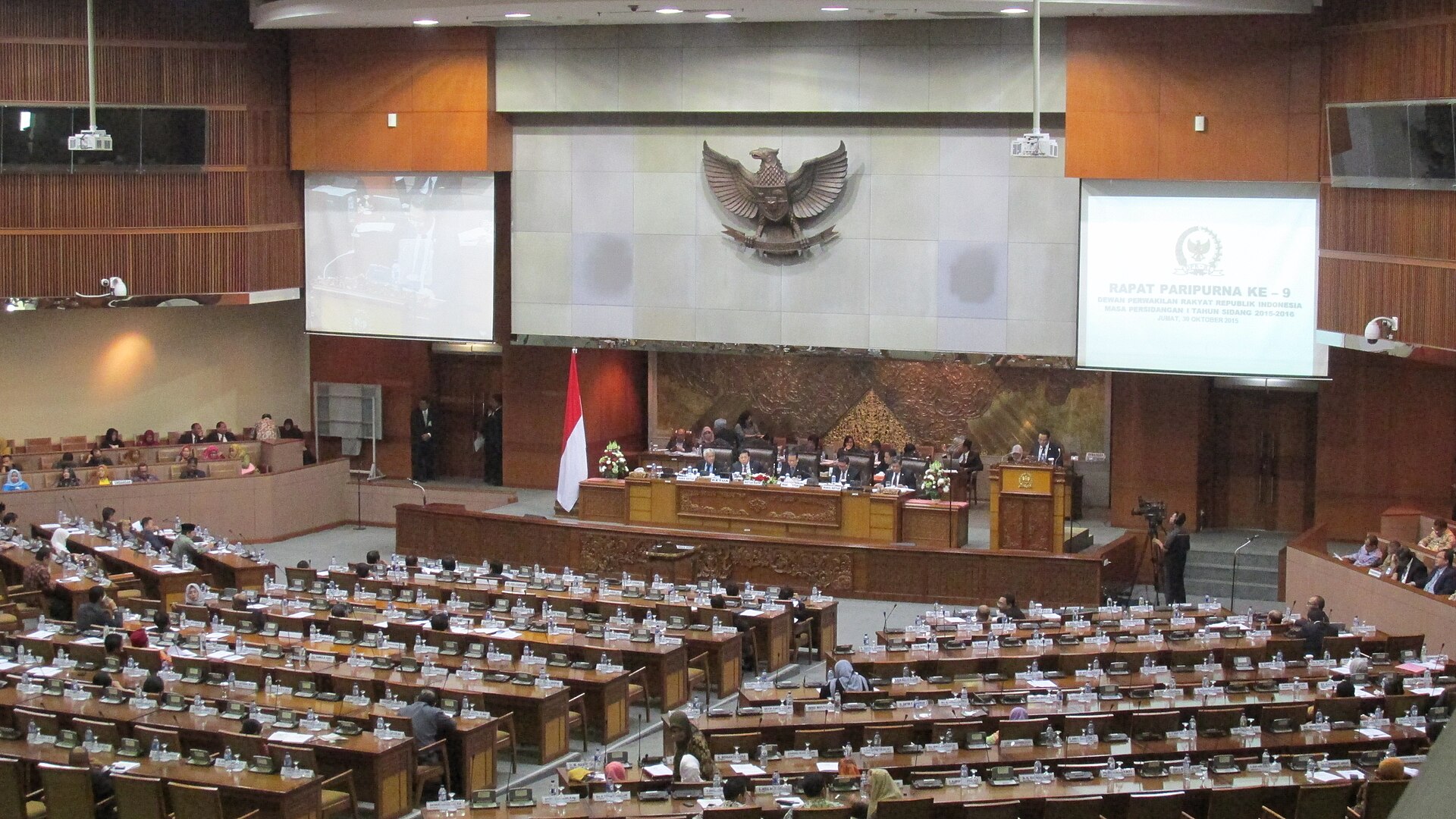
JAKARTATokopedia and TikTok Shop have concluded an investigation into 217 merchant accounts claiming Rp24.05 billion in frozen balances after months of complaints from Indonesian small businesses. Executives presented the audited findings during a public hearing before the House of Representatives Public Aspiration Body in Jakarta on Wednesday, November 18, 2026.
How did the Rp3 trillion claim narrow to Rp24.05 billion?
The initial Rp3 trillion loss estimate dropped to Rp24.05 billion once legal group Peradi Bekasi Raya delivered itemized records for 217 merchants on August 18, 2026. Peradi and creative economy group Gekrafs Bekasi had originally petitioned Parliamentary Commission VII on July 3, alleging roughly 500 micro and small sellers faced sudden account freezes.
In September 2026, Ministry of SMEs Deputy Temmy Satya Permana mediated about 40 merchant disputes and urged complainants to submit documented balances for direct reconciliation against TikTok Shop ledgers. Commission VII Deputy Chair Evita Nursanty said lawmakers summoned both sides to ensure neither merchants nor platforms were judged solely on one-sided claims.
Subsidy violations across 193 accounts and appeals
Public policy chief Hilmi Adrianto told lawmakers that 208 submitted accounts underwent detailed verification, revealing 193 sellers had misused platform promotional subsidies on specific product lines. The company clawed back Rp16.7 billion strictly matching the misused incentives, released remaining undisputed balances to merchants, and absorbed any deficit as a corporate platform loss.

Of the remaining dossiers, 15 merchants faced no balance freeze at all, while nine cases were closed because accounts were inactive, duplicated, or already functioning normally. After updating Commission VII on September 8, TikTok Shop opened two appeal windows in October 2026 without Peradi-list filings, while two outside sellers won full refunds upon review.
Why does the payout audit matter for Indonesian SMEs?
The parliamentary audit highlights high financial stakes for Indonesian SMEs whose daily working capital depends on timely e-commerce disbursements. Gekrafs Bekasi chair Siska Yofthie had noted some account holds stretched back to 2022 without clear explanations, underscoring why transparent verification rules and accessible appeal channels remain essential across Indonesia's digital retail ecosystem.