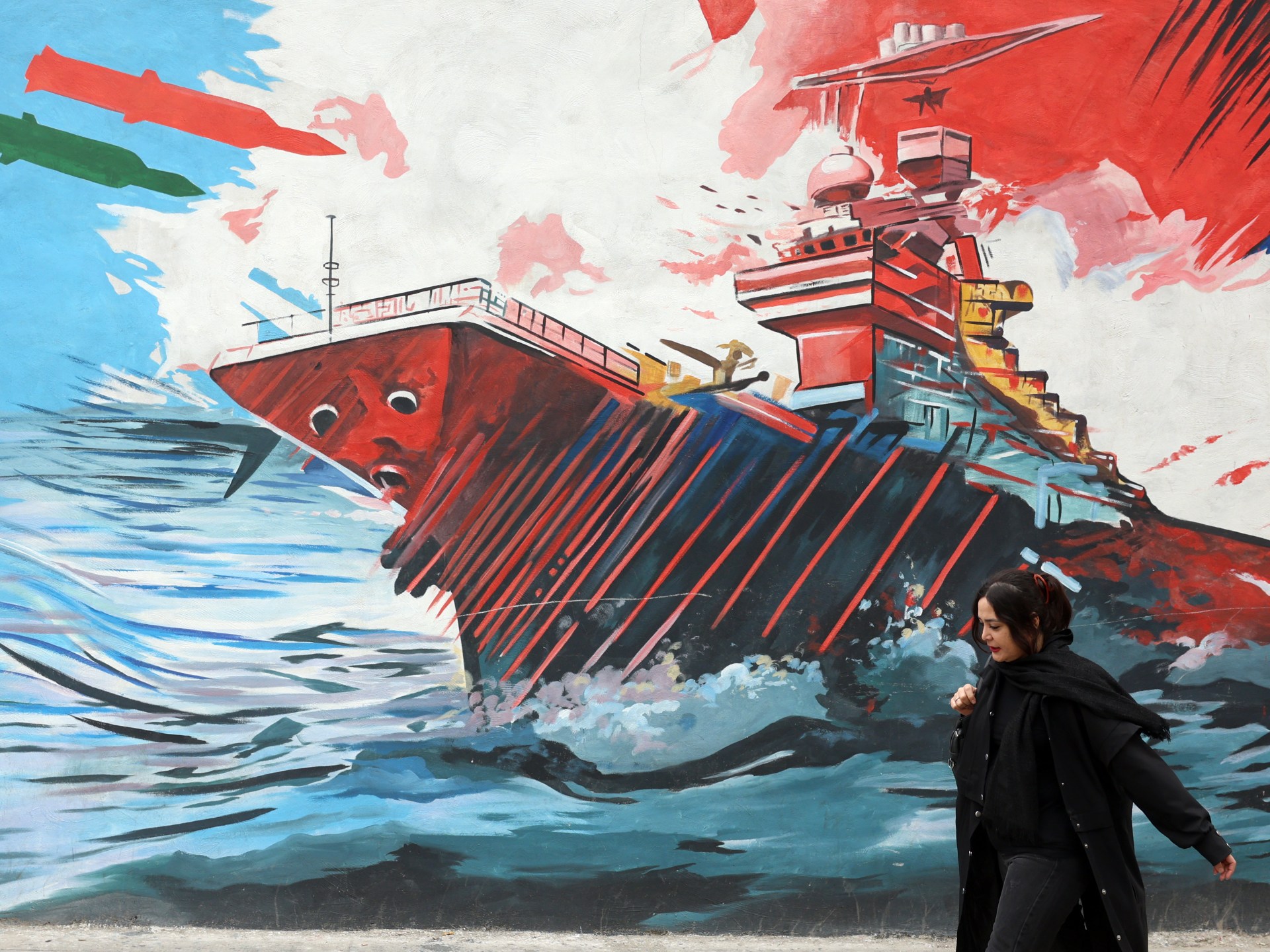
The United States and Iran have traded sporadic attacks and maintained blockades in and around the Strait of Hormuz since their June memorandum of understanding collapsed in July. Iran says it recently targeted US military sites in Bahrain and Kuwait, while the US carried out an air strike on Iran’s Qeshm Island on Tuesday.
Iran continues to target vessels it says have breached its rules for crossing Hormuz, which once carried one-fifth of the world’s oil and natural gas supplies. Washington has kept sanctions in place and maintained its naval blockade of Iranian ports. Analysts say the limited confrontation could last for months as economic and political costs mount.
US President Donald Trump said last week that the war was effectively over in military terms and warned that he would resume strikes if diplomacy failed. Secretary of State Marco Rubio said economic pressure could achieve the same objective as military strikes. In Tehran, Supreme Leader Mojtaba Khamenei has urged officials to end the state between war and peace.
Shipping disruptions have already shaken energy markets. Brent crude traded at $117 a barrel in late October before falling to $92, still about 30 percent above its prewar level. Reuters energy columnist Ron Bousso said a prolonged conflict could leave Gulf oil exporters facing persistently high freight and insurance costs.
Economist Mohammad Farzanegan said falling oil revenues were straining Iran’s public finances and increasing pressure to raise taxes and cut subsidies, particularly on energy. Hamidreza Azizi, a senior Iran analyst at the International Crisis Group, said mounting economic pressure could fuel domestic instability and make Tehran more willing to take military risks to break the deadlock.