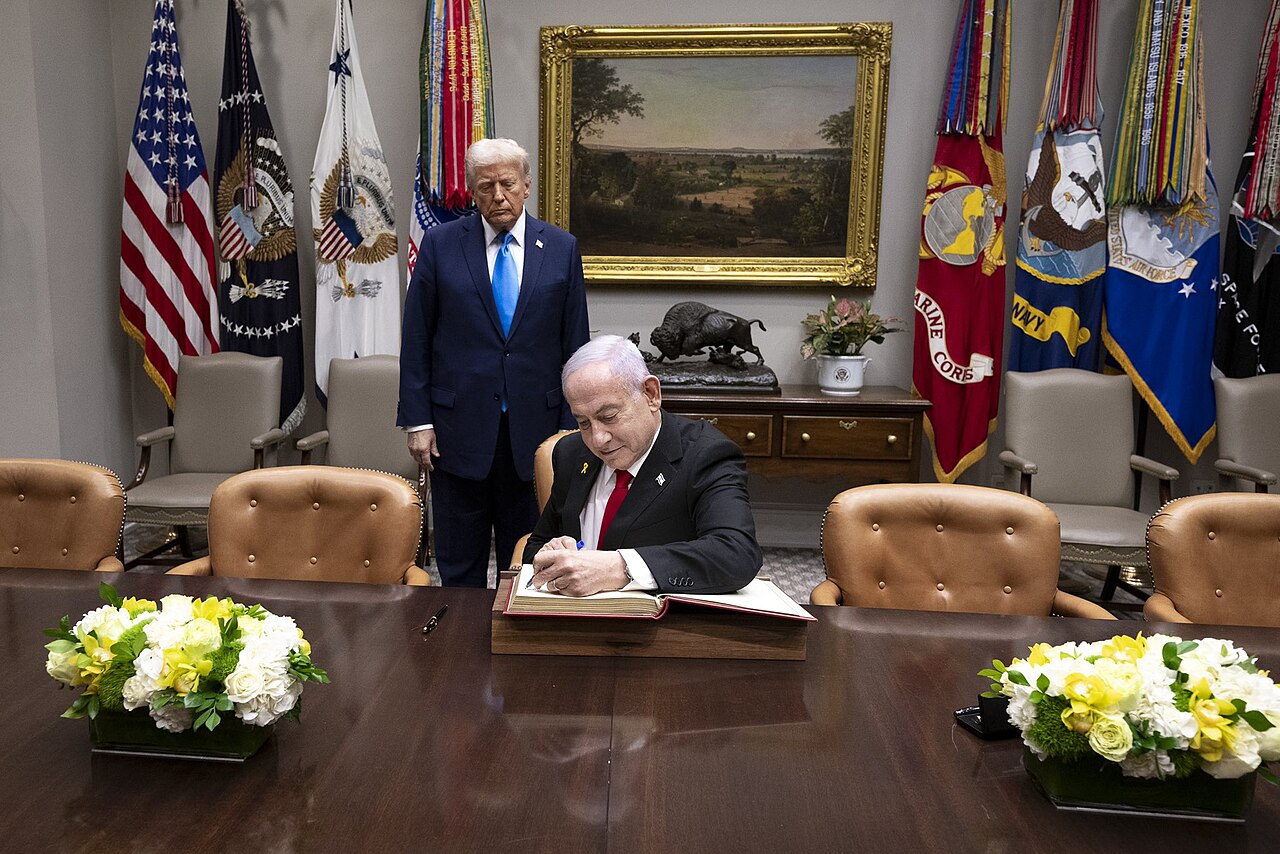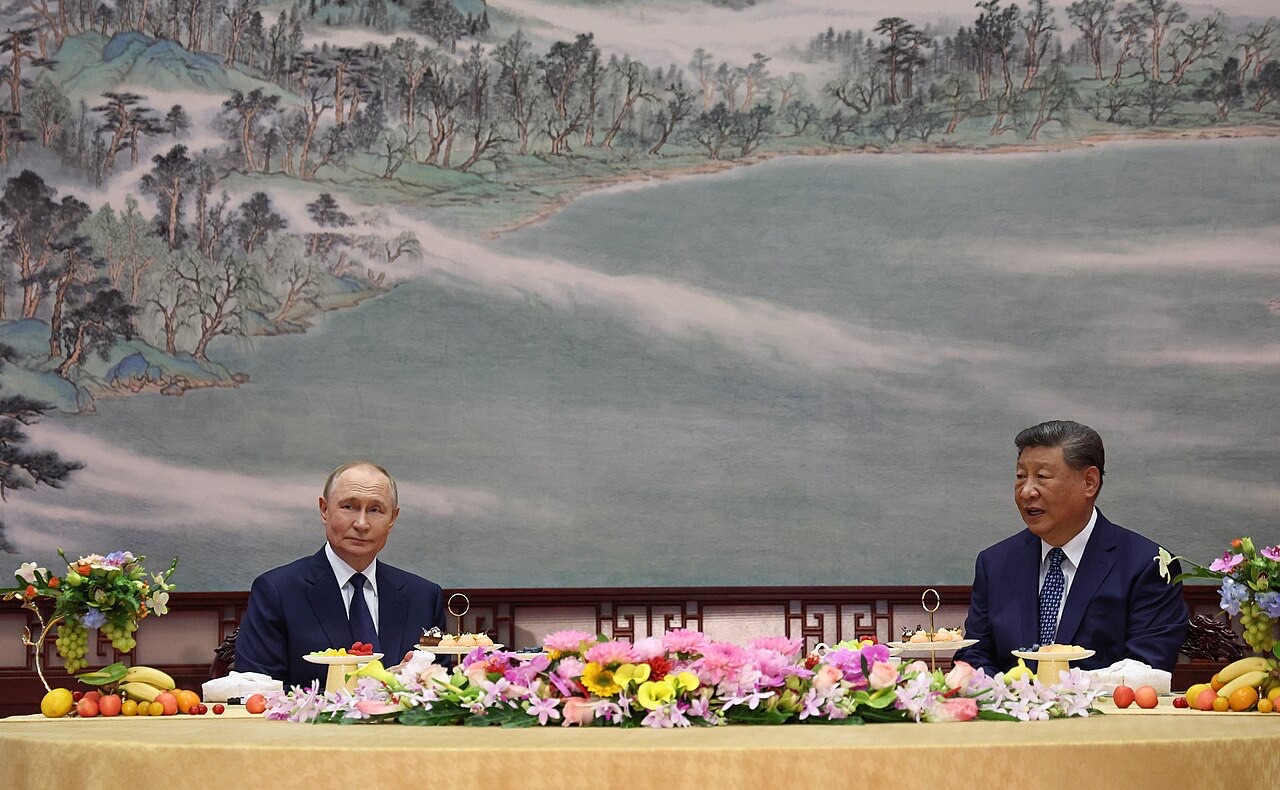
SHENZHENChinese President Xi Jinping and Russian President Vladimir Putin opened bilateral talks in Shenzhen on Wednesday (Nov 18, 2026) on the sidelines of the 33rd Asia-Pacific Economic Cooperation (APEC) summit, launching high-stakes diplomacy ahead of an anticipated trilateral meeting with United States President Donald Trump on November 18–19.
Putin landed at Shenzhen Bao'an International Airport on Tuesday at Xi's invitation for a working visit running through Thursday, with state broadcasters airing his arrival. Addressing the APEC CEO Summit on Wednesday following Malaysian Prime Minister Anwar Ibrahim, Putin claimed Western sanctions imposed over Russia's 2022 invasion of Ukraine had failed, predicted the upcoming three-way talks with Trump and Xi would prove highly useful, and urged economic partnership over ultimatums, while Xi called for freer trade and deeper cooperation on artificial intelligence.
Shadow of Yalta and European Anxiety Over Ukraine
Yet the planned trilateral—originally proposed by Moscow in mid-October and confirmed on November 13 by White House spokesperson Olivia Wales—has sparked deep unease across Ukraine and European capitals. Diplomatic observers liken the format to the February 1945 Yalta Conference that carved postwar Europe into spheres of influence, a parallel Putin himself evoked earlier this month while touring a Kremlin history exhibition featuring statues of Churchill, Roosevelt, and Stalin.
Ukrainian President Volodymyr Zelenskyy warned bluntly against a new Yalta in which major powers redistribute influence without affected states at the table. German Chancellor Friedrich Merz insisted Europe must remain central to any settlement governing sanctions and future security guarantees, while Kremlin foreign policy aide Yuri Ushakov acknowledged Ukraine will feature in discussions even as Kremlin spokesman Dmitry Peskov denied any intention to dictate the world's fate unilaterally.

Middle-Power Balancing and Indonesia's Stakes
Other Asia-Pacific leaders sought to navigate protocol alongside principle as the 21-member bloc convened in southern China's technology hub. Australian Prime Minister Anthony Albanese and Canadian Prime Minister Mark Carney both confirmed they will join the traditional leaders' family photograph out of respect for host Beijing, while Albanese underscored Australia's condemnation of Moscow's invasion and championed middle-power cooperation following Tuesday's Quad summit in Manila.
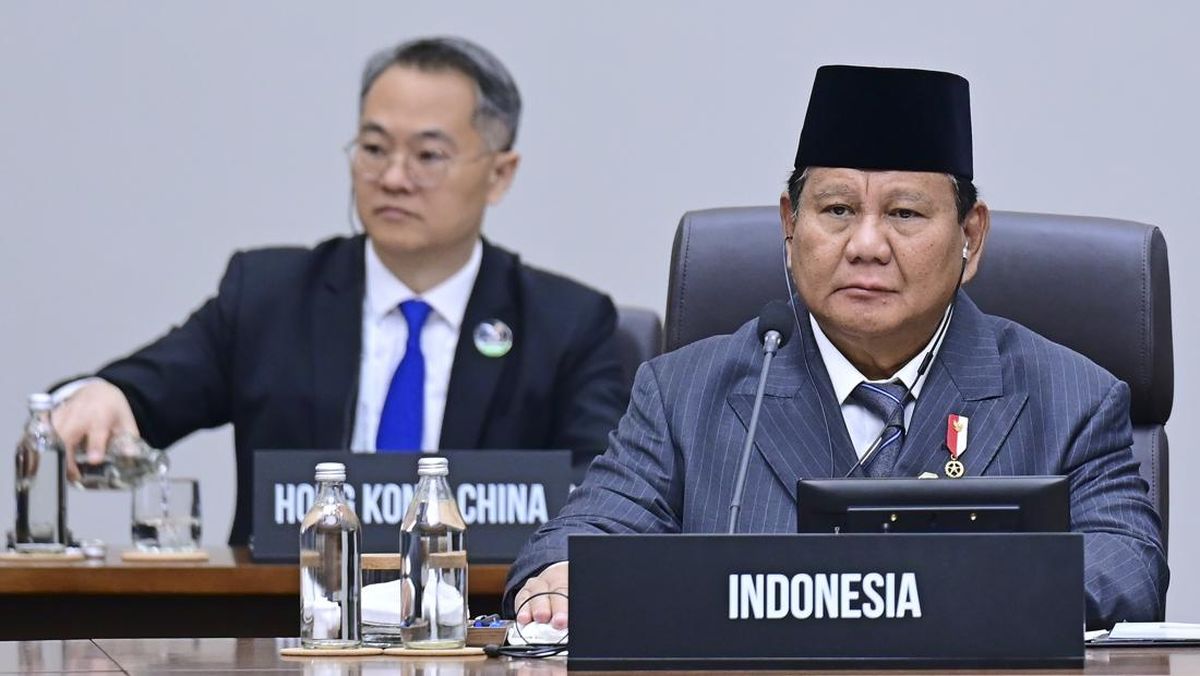
For Indonesia—represented in Shenzhen by President Prabowo Subianto alongside a delegation from the Indonesian Chamber of Commerce and Industry (Kadin) under the summit's shared prosperity theme—the gathering carries high economic and strategic stakes. Jakarta is using the Shenzhen meetings to advance inclusive regional trade, digital connectivity, and bilateral investment with China while preserving non-aligned diplomatic agility amid shifting great-power alignments.