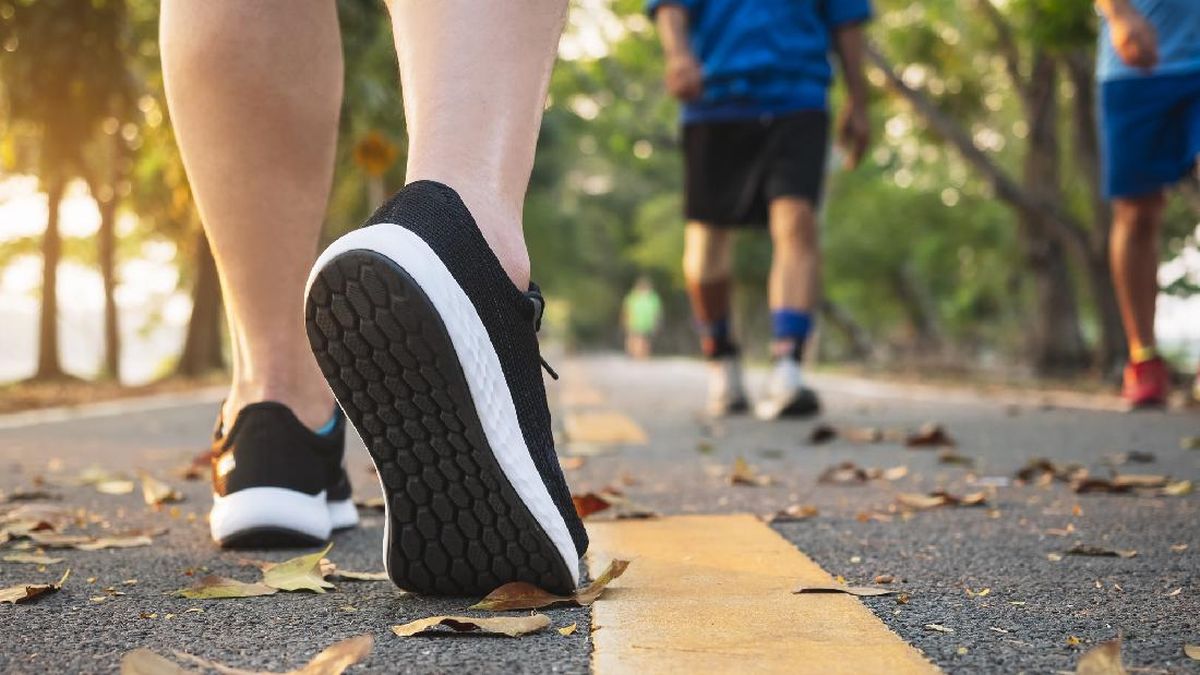
JAKARTAWalking at an easy pace for 10 minutes immediately after eating significantly reduces post-meal blood sugar spikes compared with sitting still, according to research led by Kaito Hashimoto in Scientific Reports. The study highlights that timing light movement right after consuming carbohydrates or sugar matters more than waiting for a longer workout later.
What did the 10-minute post-meal walking study find?
Researchers tested 12 healthy young adults across three conditions after drinking a 75-gram glucose solution: resting seated, walking casually for 10 minutes right away, and walking for 30 minutes starting half an hour later. Over two hours of monitoring, both walking sessions lowered overall glucose exposure, yet only the immediate 10-minute walk produced a statistically robust drop in peak blood sugar levels.
A separate six-week trial published in the journal Obesity reinforced the benefits of short, frequent movement among 30 overweight or obese adults aged 18 to 45 who normally sat at least six hours daily. Participants who broke 45 minutes of daily brisk walking into five-minute hourly breaks achieved steadier glucose control and spent more time within the 70–140 mg/dL target range than peers who walked 45 minutes in one block.
How does walking lower blood glucose levels?
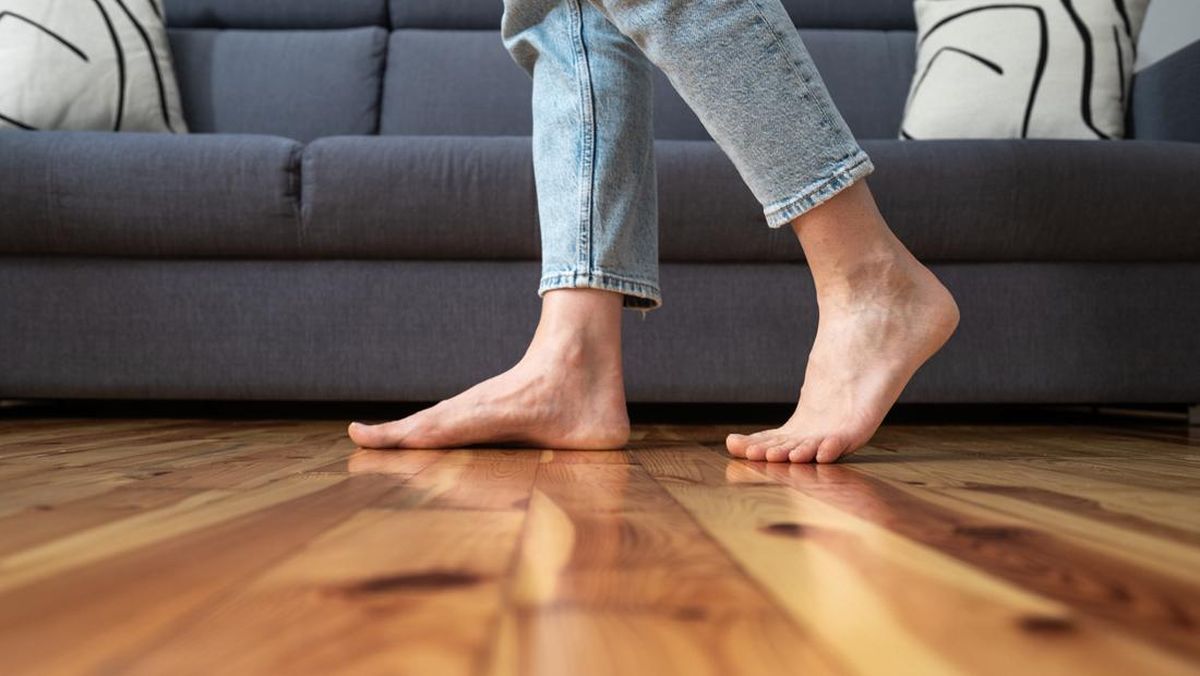
Physiologically, walking regulates blood glucose through two complementary pathways, as explained by Verywell Health and physician Dr. Leana Wen. Muscle movement boosts insulin sensitivity for hours afterward, while contractions in the thighs, glutes, and calves pull glucose straight out of the bloodstream for fuel without relying on insulin—a key advantage when insulin resistance is present.
For Indonesian readers juggling carbohydrate-rich meals and long desk hours, taking a five- to ten-minute stroll after lunch or dinner offers a free, practical daily habit. Simple adjustments such as walking around the office, parking farther away, or taking the stairs can add meaningful movement without requiring gym equipment.

Does short walking replace regular workouts?
Still, Dr. Wen and the study authors caution that both trials used small cohorts and excluded patients with diagnosed chronic diabetes or heart disease. Short post-meal walks should complement regular aerobic exercise and strength training alongside the 2026 American Diabetes Association recommendation to interrupt prolonged sitting at least every 30 minutes.