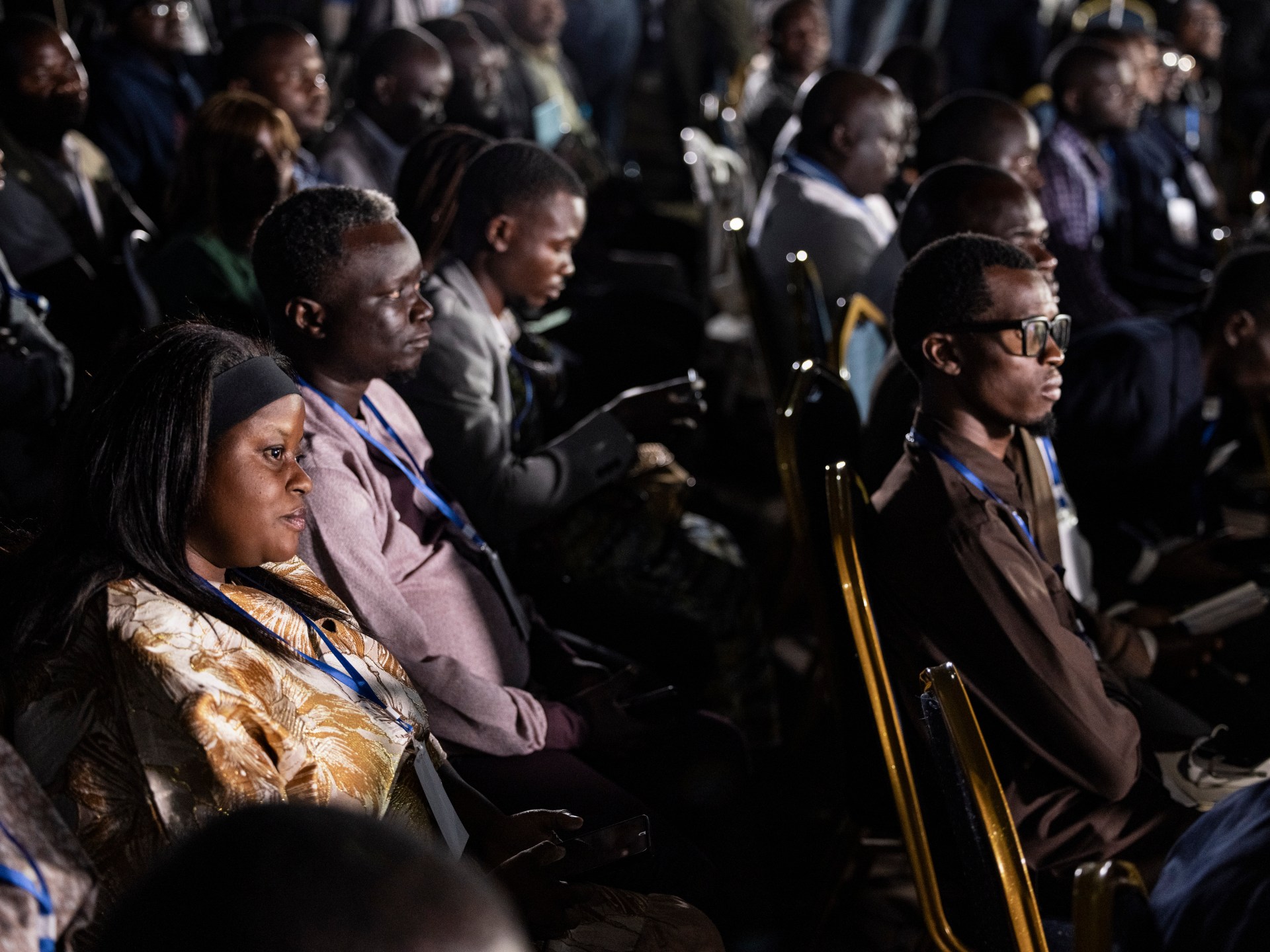
A continent-wide survey conducted by the Federation of African Journalists (FAJ) with UNESCO's support has revealed that journalists across Africa face a profound workplace crisis. Many media workers struggle to survive without steady pay, formal contracts, or basic protections, directly undermining the foundation of independent journalism.
Based on responses from 1,586 journalists across 45 African nations, 61 percent reported that their journalism income failed to meet basic living needs. Furthermore, 58 percent experienced delayed salaries, and 62 percent lacked written contracts, with respondents in Central Africa highlighting salary arrears lasting up to eight months within a single year.
This widespread financial deprivation severely impacts information integrity and journalistic quality. Impoverished reporters often rely on side businesses, borrowed funds, or outside allowances from political figures, creating vulnerabilities that can foster corrupt practices and compromise independent reporting.
Beyond economic hardship, physical danger and censorship remain pervasive across the continent. Sixty-five percent of surveyed journalists experienced work-related threats or intimidation over a three-year period, and 84 percent admitted to practising frequent or occasional self-censorship out of fear of losing their livelihoods.
Despite these daunting challenges, positive developments in Mauritania, Morocco, and Namibia demonstrate that government action, policy reforms, and collective bargaining through strong journalistic unions can successfully secure better labor rights, fairer wages, and enhanced safety for media workers.