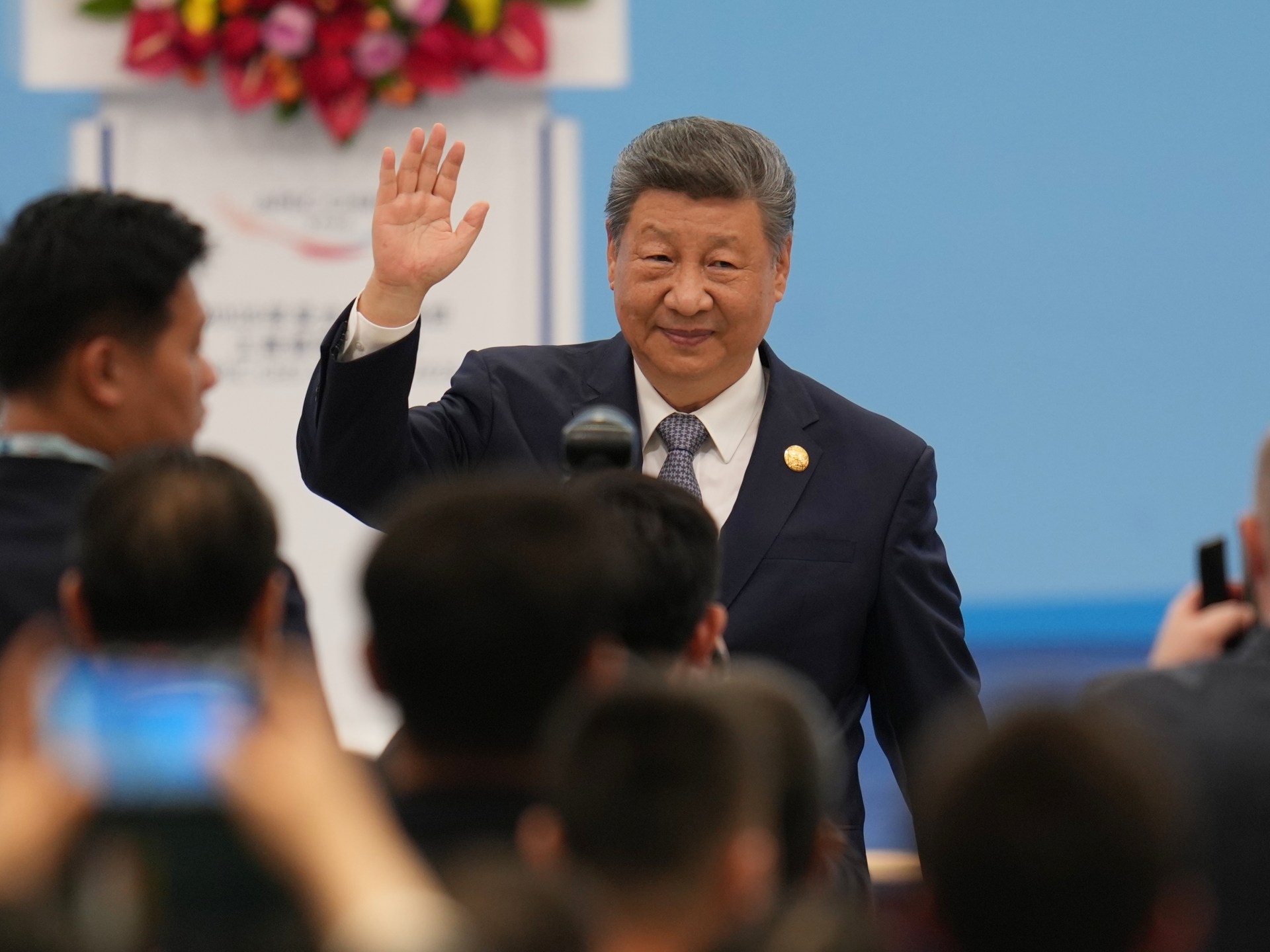
Chinese President Xi Jinping has urged international support for free and open trade, pitching Beijing as a stable global partner in contrast to the trade disruptions led by US President Donald Trump. Speaking on the sidelines of the annual Asia-Pacific Economic Cooperation (APEC) summit in Shenzhen, southern China, Xi took direct aim at rising unilateralism and protectionism.
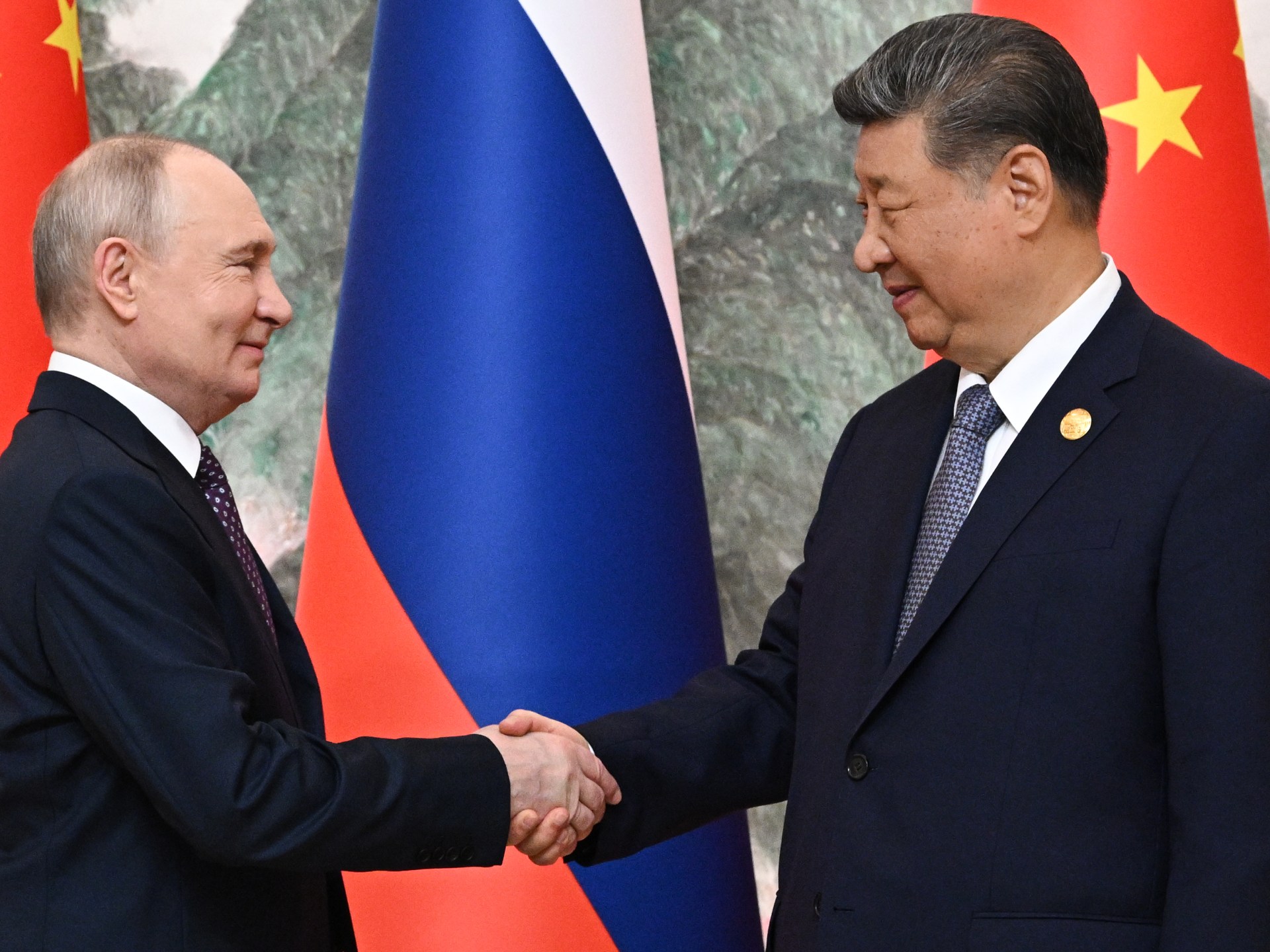
Xi's remarks were widely interpreted as a veiled criticism of Trump's 'America First' policies, under which the United States has imposed widespread tariffs on both economic rivals and traditional allies. The summit precedes a highly anticipated meeting between Xi and Trump, who are also scheduled to hold an unprecedented three-way summit alongside Russian President Vladimir Putin.
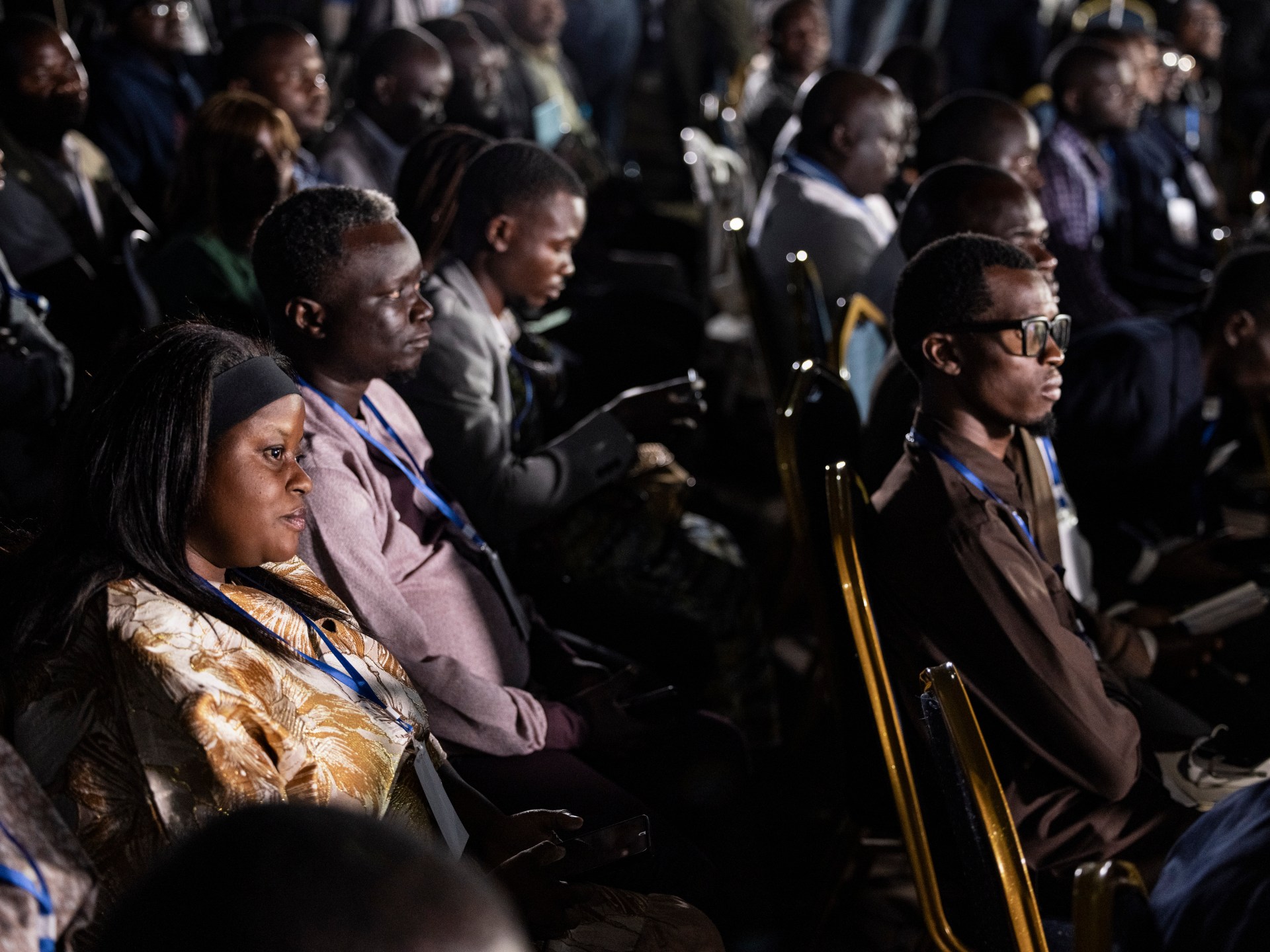
Addressing business executives on the sidelines of the summit, Xi emphasized that the Asia-Pacific region must pursue more open trade and equitable growth to maintain long-term stability and economic dynamism. He noted that Washington's aggressive approach of tariff hikes runs directly counter to APEC's ultimate goal of establishing a comprehensive Pacific Rim free trade zone.
The ongoing economic friction also involves strict US limits on Chinese access to cutting-edge technologies, such as Nvidia computer chips that power artificial intelligence. Despite these technology restrictions, Xi pledged that China would firmly uphold the rules-based multilateral trading system with the World Trade Organization at its core.
Xi added that Beijing aims to provide a predictable and beneficial environment for global enterprises by expanding market access in manufacturing and services. Through structural reforms that begin with lowering tariffs, China intends to share development opportunities and ensure global economic stability.
George Chen, partner and chair of digital practice at The Asia Group, noted that Xi's speech highlighted China's aspiration to lead global industrial transformation and position itself as a reliable technology partner, particularly for nations in the Global South.