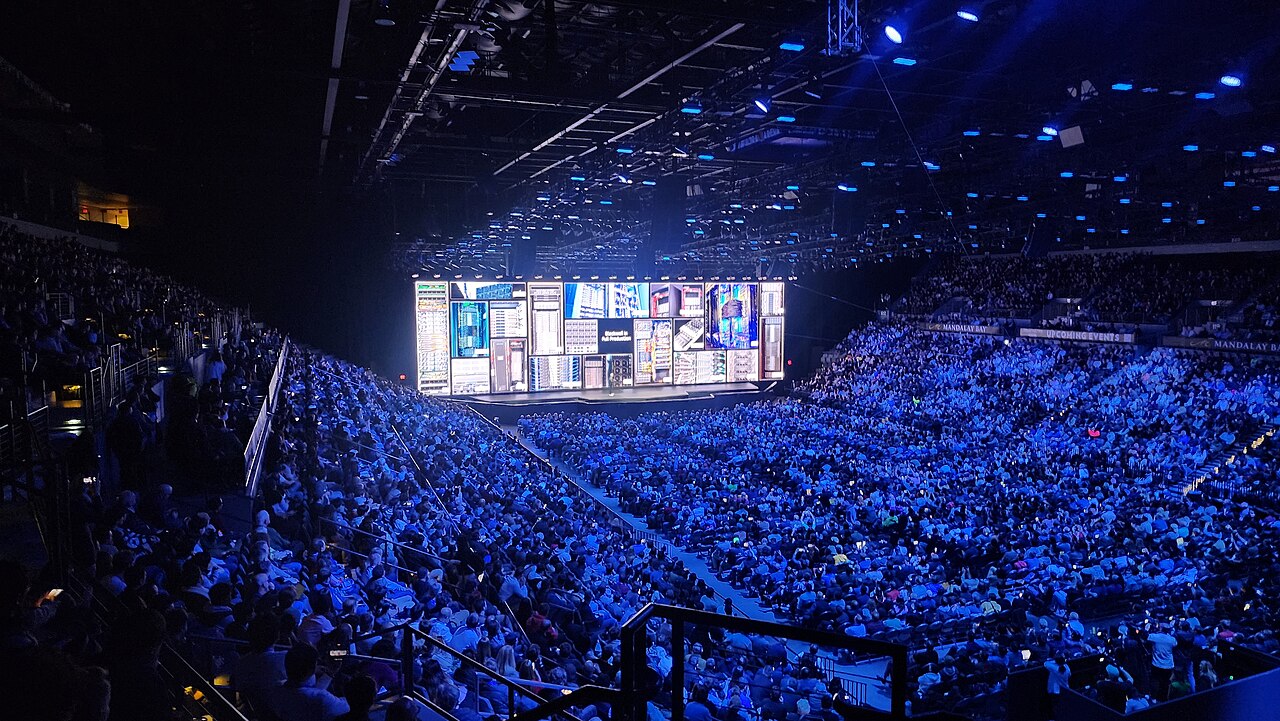
SEOULEscalating investor doubts over whether multi-trillion-dollar artificial intelligence spending can sustain returns triggered steep losses across Asian stock markets on Monday, November 23, 2026. Seoul's benchmark Kospi slid up to 5.8 percent, Hong Kong's Hang Seng declined 1.8 percent, Shanghai's CSI 300 shed more than 1.3 percent, and Taiwan's Taiex swung nervously after dropping over 1 percent at the bell while Tokyo markets were closed for Labour Thanksgiving Day.
Why are global tech stocks falling despite Nvidia doubling its profits?
The regional sell-off followed Friday's steep Wall Street pullback, where the tech-heavy Nasdaq Composite tumbled 5.3 percent to wipe out all 2026 gains and the S&P 500 fell 3.7 percent into a technical correction, though US stock futures signaled a 2 to 2.4 percent rebound on Monday. Societe Generale Asia equity strategist Rajat Agarwal noted traders are weighing whether the rare three-standard-deviation tech shock went too far as Gartner projects largely debt-backed global AI outlays reaching US$2.7 trillion in 2026 and US$3.6 trillion in 2027.
BBC News underscored a striking divide between global crash warnings—amplified by International Monetary Fund cautions and a scandal surrounding former Nvidia boss Jensen Huang—and surging commercial activity inside AI hub San Francisco. Despite market jitters, Nvidia recently posted quarterly profits doubling year-on-year to US$65 billion, while OpenAI, newly Nasdaq-listed Anthropic, and thousands of startups continue driving up city rents and lifting local service firms.
How do 200 kW AI server racks challenge Indonesia's tropical data centers?
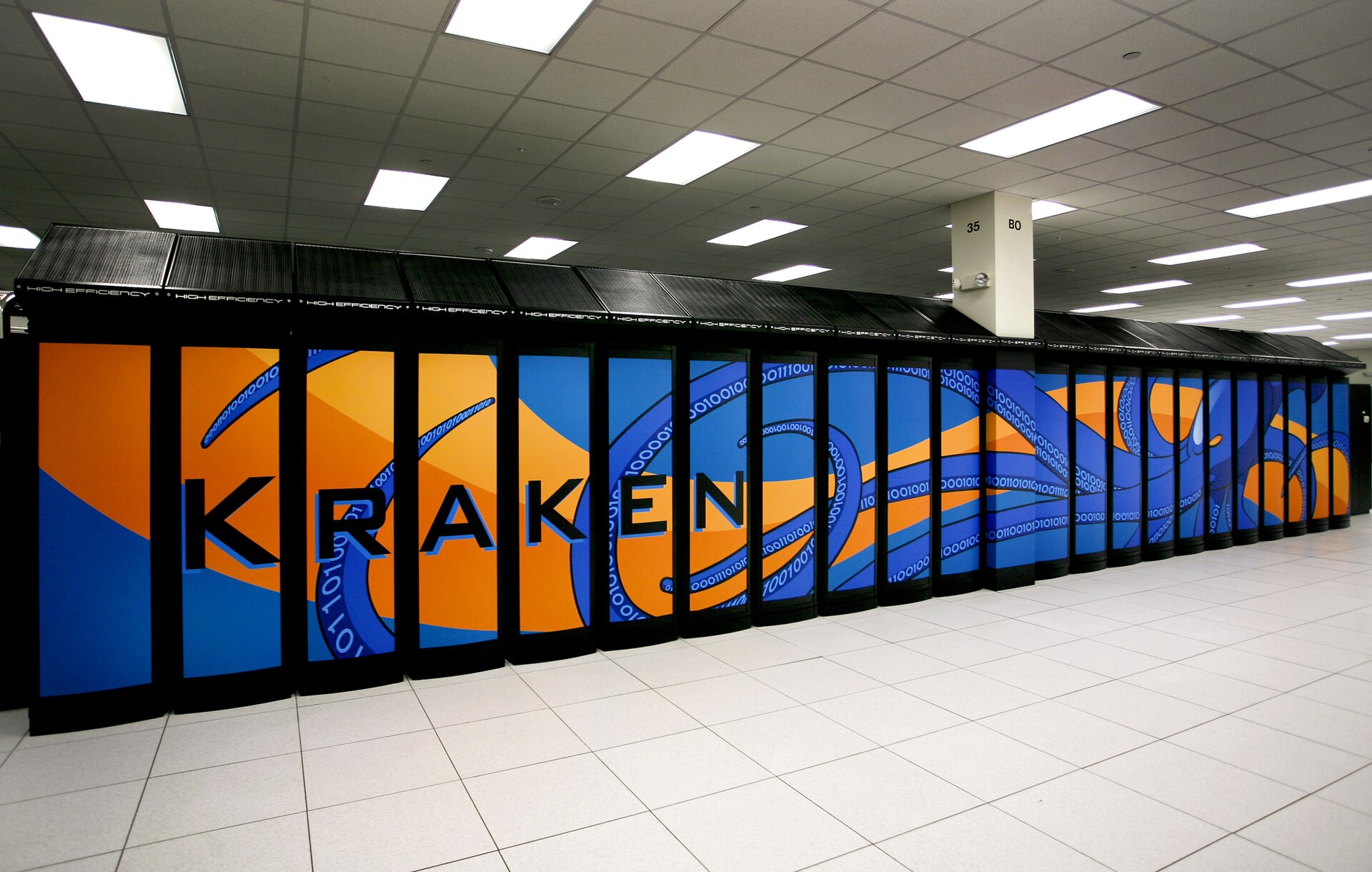
While global investors debate AI valuations, Indonesia's digital infrastructure operators face an immediate engineering crunch as AI clusters boost power density from conventional tens of kilowatts to 100–200 kilowatts per server rack. Speaking at the Midea Building Technologies Indonesia Summit 2026 in Tangerang on November 17, Midea Data Center Sales Manager Andi Terahady noted that year-round tropical heat and humidity prevent Indonesian operators from relying on seasonal cold outside air.

With global hyperscale clients demanding Power Usage Effectiveness (PUE) ratios below 1.5 and approaching 1.2, traditional air cooling has hit its physical ceiling inside dense AI halls. To preserve 24-hour uptime without wasting scarce water resources, operators are shifting toward integrated magnetic bearing chillers, fan walls, and closed-loop liquid cooling via active Coolant Distribution Units (CDUs) that balance PUE and Water Usage Effectiveness (WUE).
What sustainability standards and training plans are IDPRO and Komdigi building?
Indonesia Data Center Provider Organization (IDPRO) Executive Director Michael Abimanyu stressed that national data center growth must protect clean power and water supplies as IDPRO drafts SNI 8799 Book 4 sustainability rules with the Ministry of Communication and Digital (Komdigi) and BSN. Alongside a new three-tier Sustainable Data Center Index, IDPRO is partnering with BPSDM Komdigi and the Uptime Institute on a practical talent factory to train certified Indonesian facility engineers.