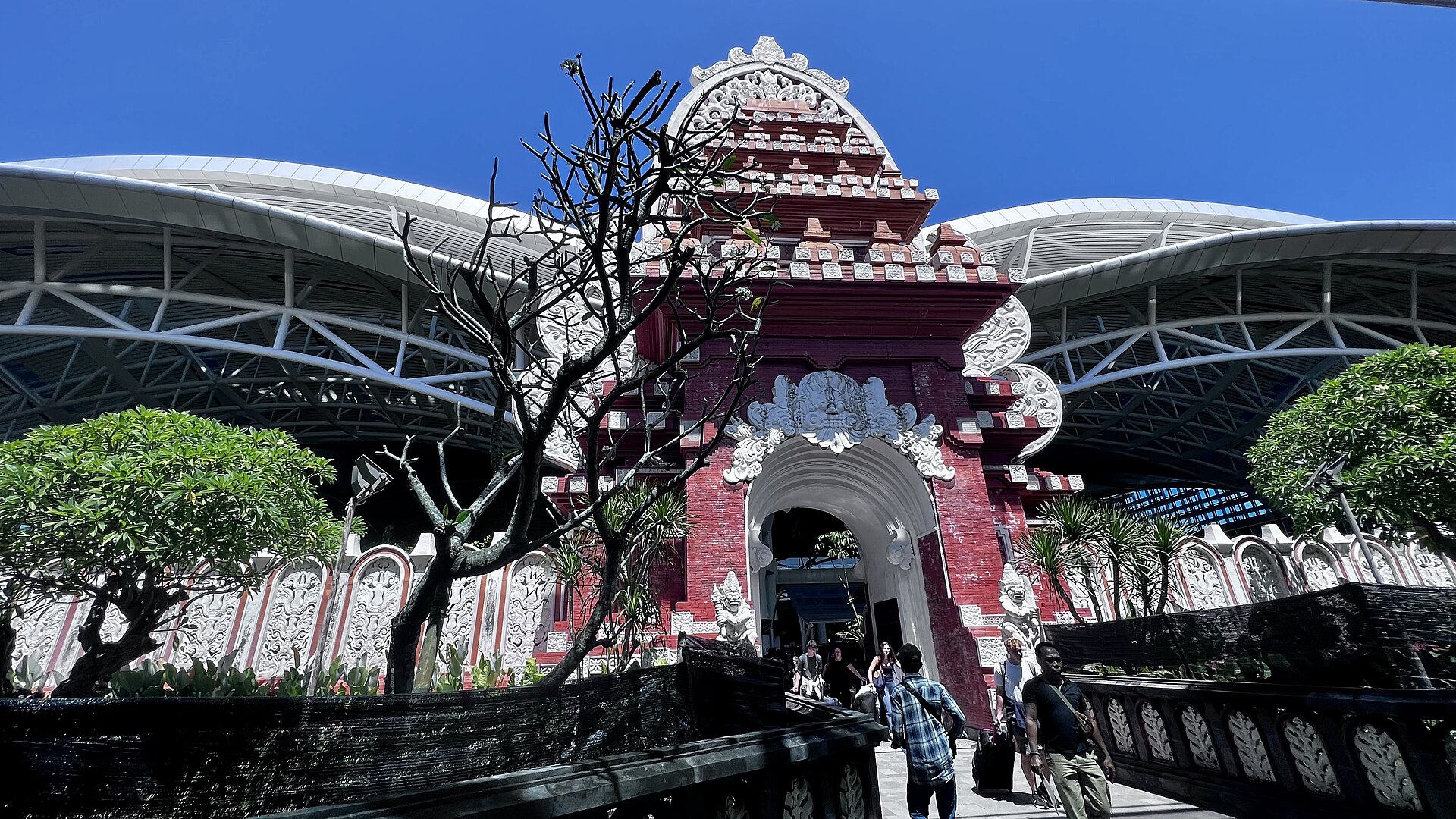
DENPASAROfficers at Bali's Ngurah Rai Immigration Office stopped two Indonesian men, identified by initials SDR (27) and MZM (36), from departing I Gusti Ngurah Rai International Airport after uncovering evidence of Russian military recruitment. The interceptions, linked to scheduled Saturday (21/11/2026) departures, followed direct admissions and electronic WhatsApp chat findings during exit screening.
How were the two travelers' Russia plans uncovered?
Ngurah Rai Immigration chief Muhamad Novyandri explained on Monday (23/11/2026) that SDR intended to fly to Kuala Lumpur, Malaysia, aboard Malaysia Airlines flight MH852 before continuing onward. During questioning, SDR admitted traveling to Bali after receiving an offer to serve as a Russian soldier, while officers also uncovered preliminary leads pointing to his prior activity as an online gambling agent in Cambodia.
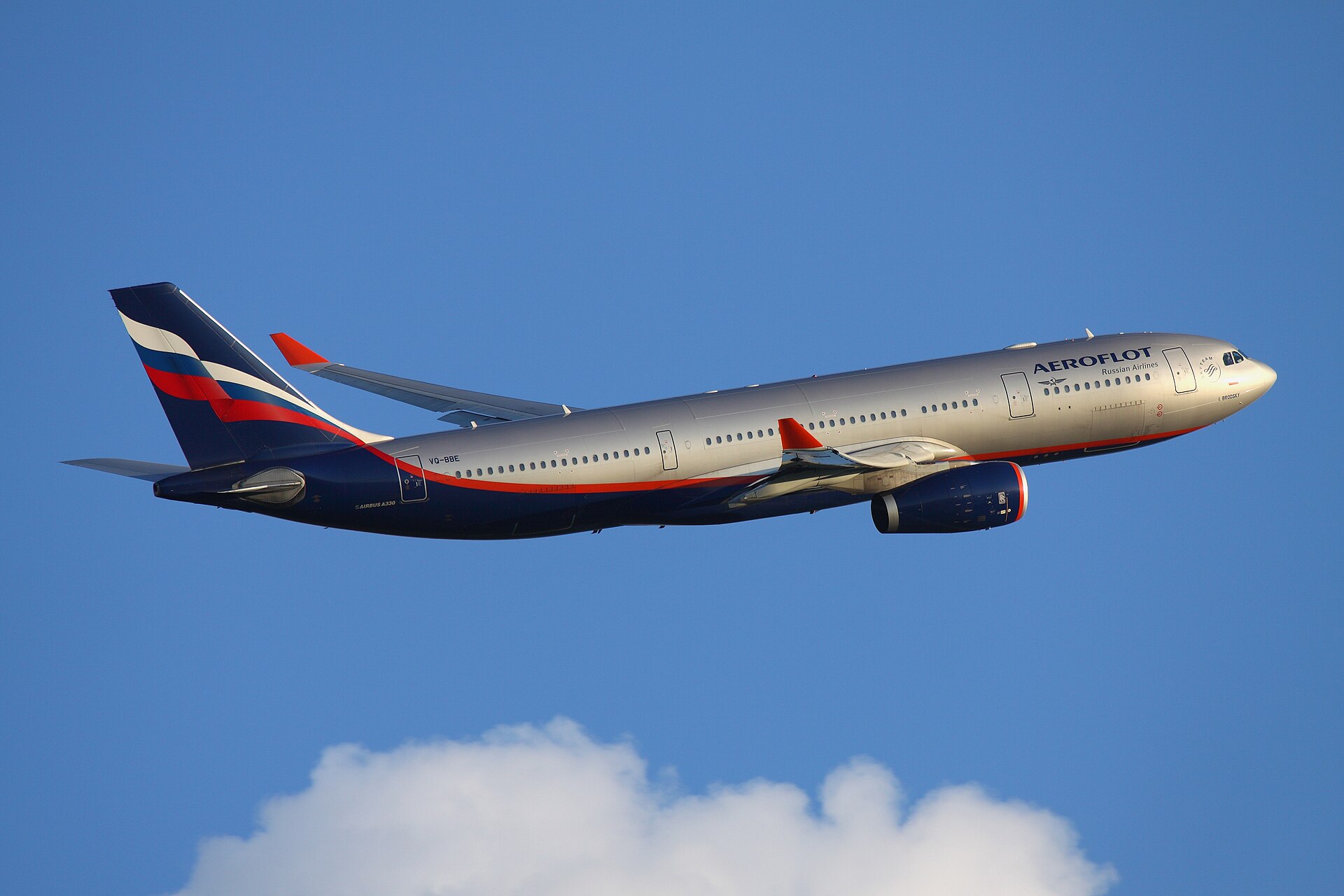
The second traveler, MZM, was booked to depart aboard Aeroflot flight SU297 before immigration personnel intervened and canceled his trip. Screening of MZM's device revealed WhatsApp conversations indicating plans to enlist with Russian military forces, prompting officers to detain both men for deeper questioning.
What legal penalties face Indonesians joining foreign armies?
Bali Immigration Regional Office chief Ramdhani stressed that exit checks extend beyond passport validity to safeguarding Indonesian citizens from lethal foreign conflict zones. He urged the public not to be lured by promises of lucrative overseas pay that put Indonesian lives at risk on foreign battlefields, echoing protective border-monitoring standards championed by Directorate General of Immigration leadership.
Beyond physical danger in active war zones tied to the Russia-Ukraine conflict, enlisting in a foreign military carries severe legal consequences under Indonesian law. Under Law No. 12 of 2006 on Indonesian Citizenship, any Indonesian citizen who enters the armed forces of a foreign country without prior permission from the President risks losing their Indonesian nationality.

Border vigilance to protect Indonesian citizens from war zones
The Bali airport interception highlights ongoing cross-border recruitment risks facing Indonesians amid Russia's protracted war in Ukraine. For Indonesian families and migrant workers, the reliance on encrypted messaging apps to recruit travelers underscores the need for tighter departure scrutiny and public vigilance against high-paying overseas job offers.