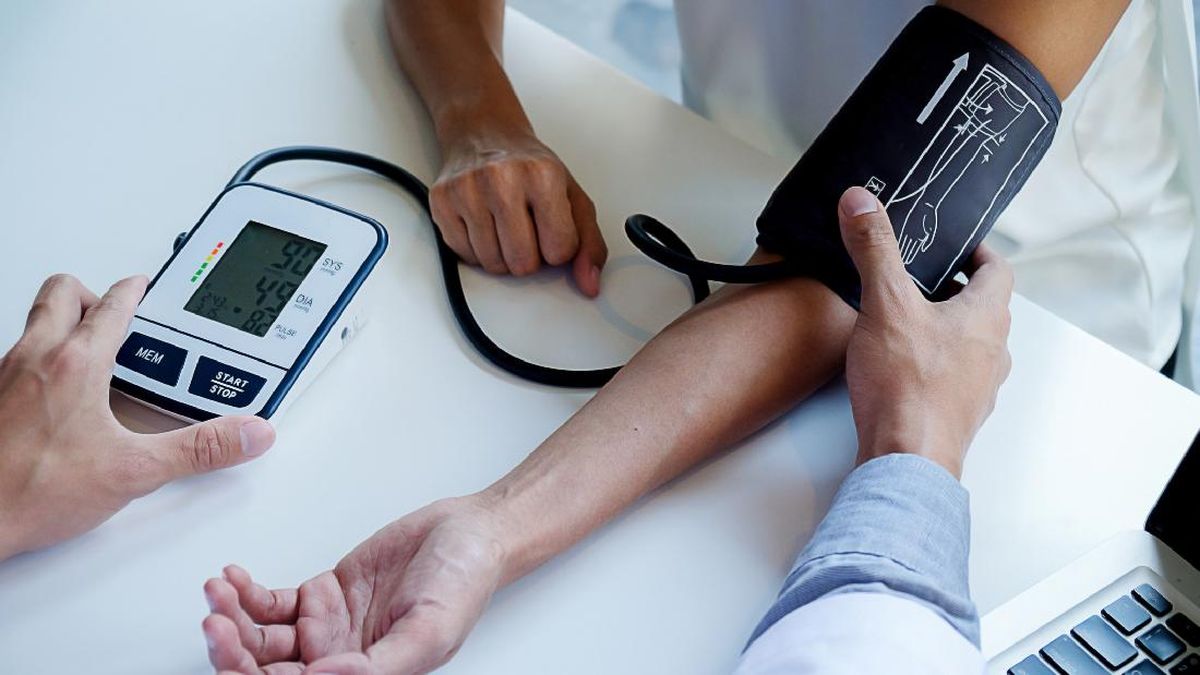
A high blood pressure reading should be taken seriously, but it is not a reason to panic, cardiologist Rohit Goel says. His first advice is to sit somewhere comfortable and rest before taking another measurement.
Goel, cited by CNN Indonesia from NDTV, recommends temporarily avoiding physical activity, smoking, caffeine and stress. After sitting quietly for five minutes, check the reading again with your back supported, both feet flat on the floor and your arm level with your heart. Use a correctly sized cuff and do not talk during the measurement. If the reading remains high, record it and consult a doctor.
Certain symptoms call for immediate medical attention, Goel says. If blood pressure reaches 180/110 mmHg or higher, wait one minute and measure it again. If the reading remains high and is accompanied by chest pain, shortness of breath, a severe headache, blurred vision, weakness, numbness, confusion or difficulty speaking, seek medical help immediately.
A very high reading also requires caution when there are no symptoms. Sit and rest calmly for five minutes before checking again; if the result is still 180/110 mmHg or higher, seek medical help immediately. Goel advises against deciding independently to take medication or increase a dose. Follow a doctor's advice and consult one first.
Blood pressure can change over time, but repeated readings above the normal range may signal a health problem. High blood pressure often causes no severe symptoms, while uncontrolled hypertension can raise the risk of heart disease, stroke and kidney damage.
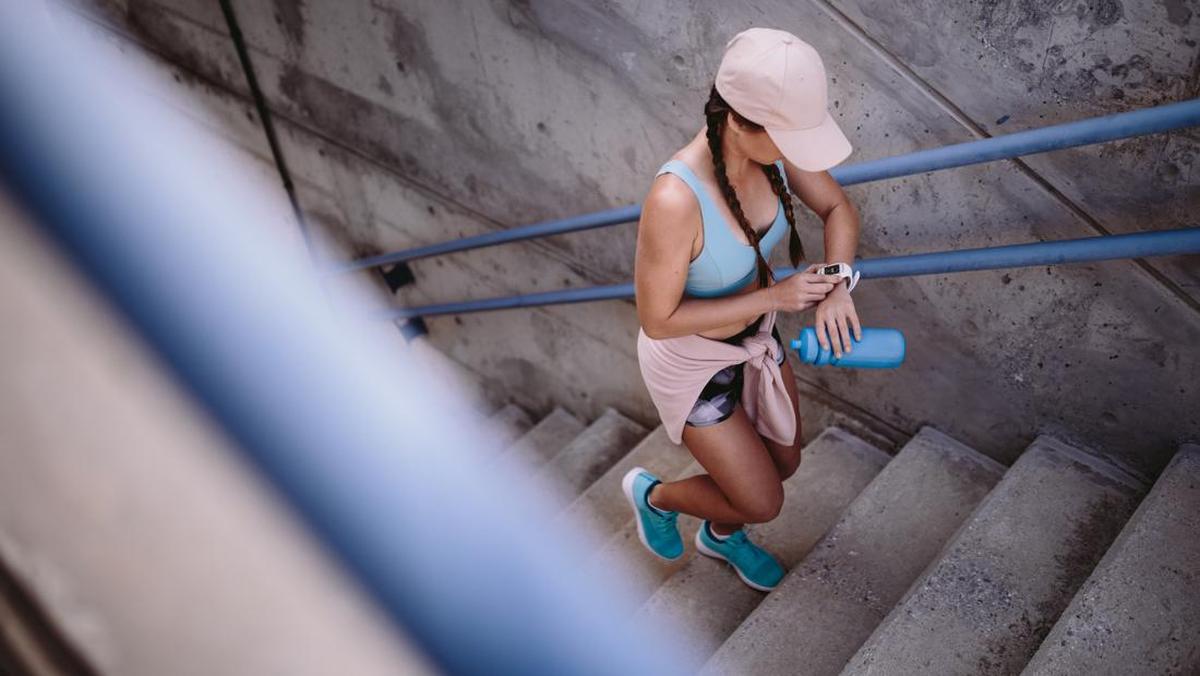
The World Health Organization says healthy habits can help prevent and reduce high blood pressure. These include eating more fruit and vegetables, reducing salt and saturated and trans fats, stopping smoking, limiting alcohol and maintaining a healthy weight. WHO also recommends at least 150 minutes of moderate aerobic activity or 75 minutes of vigorous activity each week, along with muscle-strengthening exercise on at least two days.