JAKARTAIndonesia's meteorology and geophysics agency (BMKG) warned of heavy to very heavy rainfall across 31 regions on Monday, November 23, 2026, alongside moderate-to-heavy downpours in seven other provinces. The bulletin followed Sunday's Siaga weather alert across eight provinces—Aceh, North Sumatra, West Sumatra, Banten, West Java, Central Java, East Java, and South Papua—with no province placed on the highest Awas level.
Why is heavy rain hitting Indonesia despite strong El Nino?
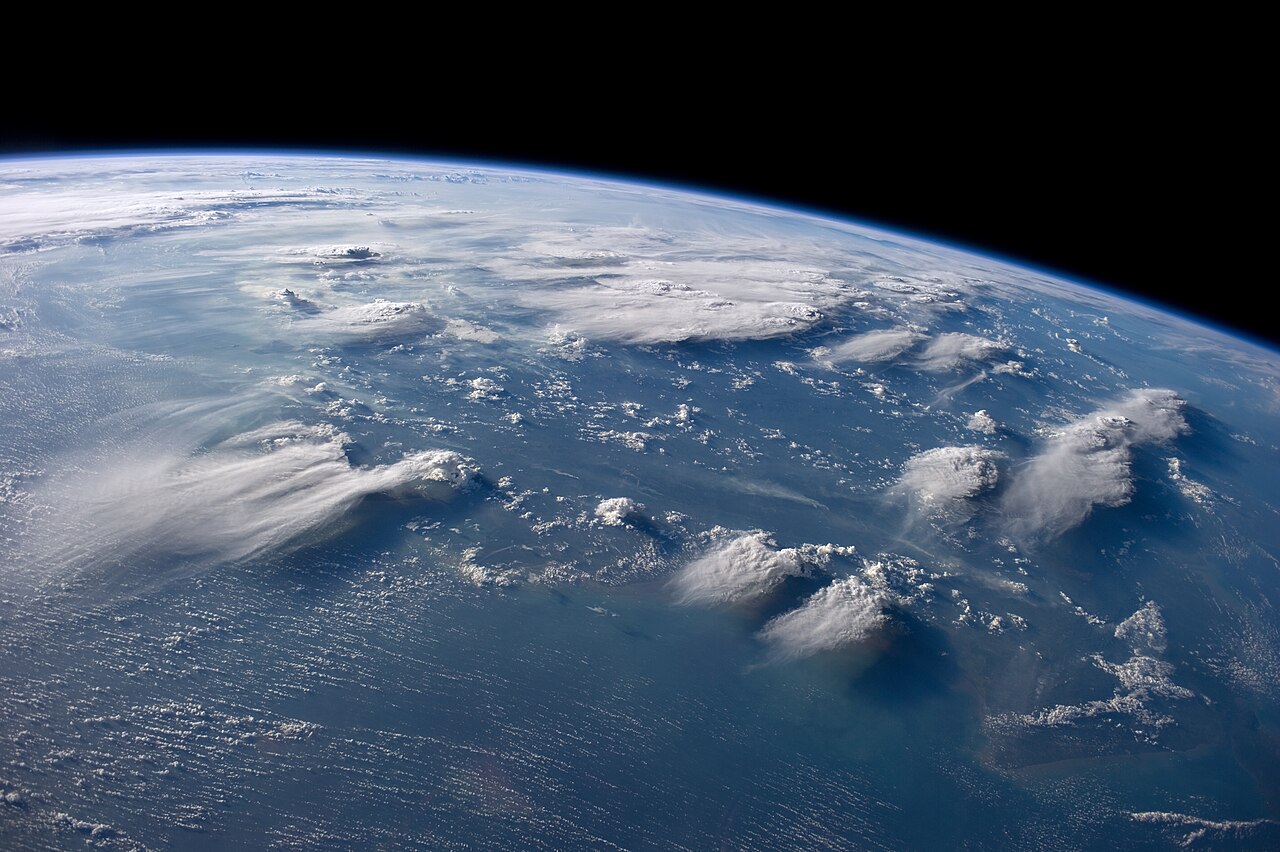
Even though strong El Nino conditions and a positive Indian Ocean Dipole persist, BMKG observed that 10.6 percent of Indonesia's seasonal zones have already entered the wet season across parts of Sumatra, Kalimantan, and Java. An active phase-3 Madden-Julian Oscillation over the Indian Ocean, Kelvin waves crossing Kalimantan toward Nusa Tenggara, Mixed Rossby-Gravity waves over Sumatra, negative radiation anomalies, and five active cyclonic circulations are concentrating humid air masses and storm cloud growth.
Under BMKG's Monday forecast, moderate-to-heavy rain threatens Aceh, North Sumatra, West Sumatra, Bangka Belitung, West Java, Central Java, and East Java. Meanwhile, the 31 regions facing heavy to very heavy rain span Riau, Riau Islands, Jambi, South Sumatra, Bengkulu, Lampung, Banten, Jakarta, Yogyakarta, Bali, West and East Nusa Tenggara, all provinces across Kalimantan and Sulawesi, North Maluku, Maluku, and all six Papuan provinces.
How severe is the latest flooding in South Aceh?
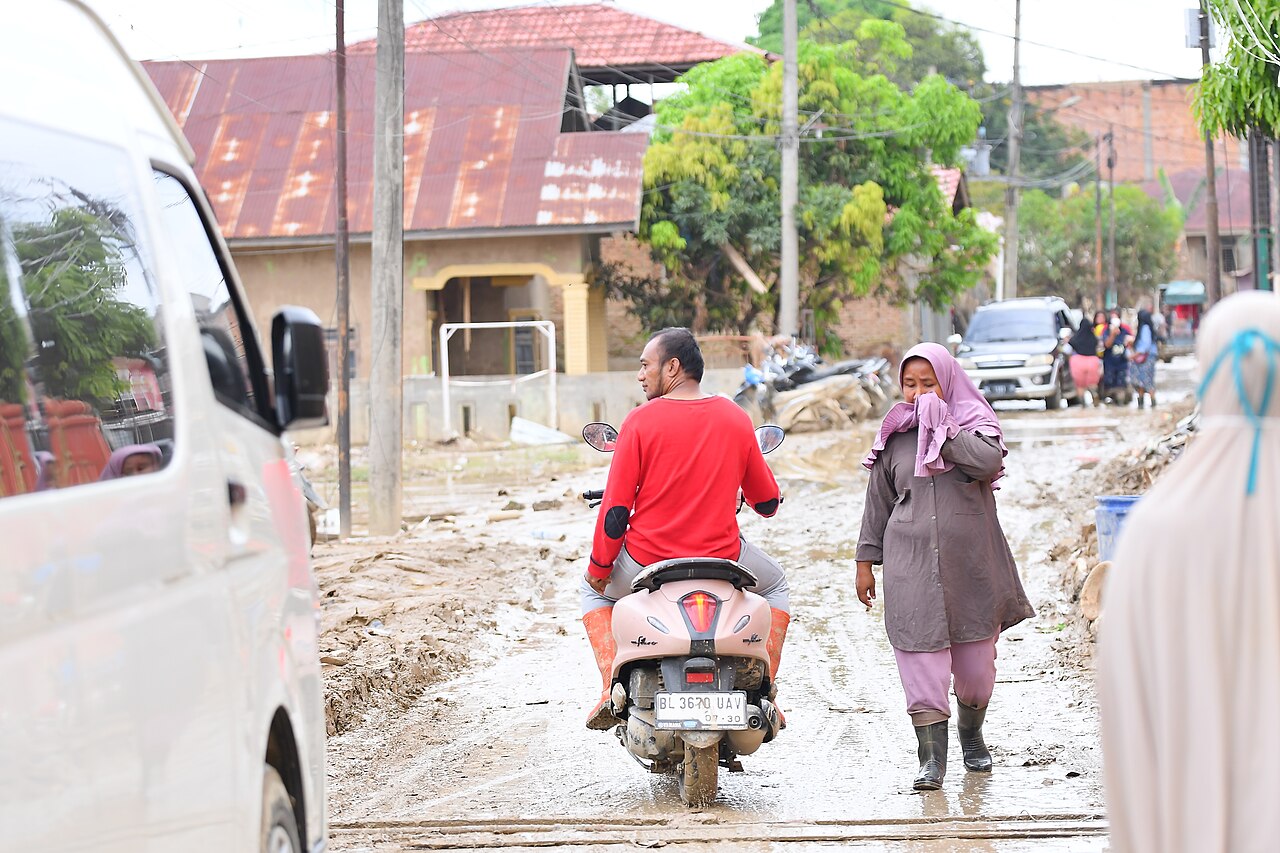
Severe rainfall impacts are already unfolding in South Aceh, inside one of the eight Siaga provinces. Heavy rain starting Sunday morning triggered November's second follow-up flood across three villages in Trumon Raya, submerging 68 homes, affecting 254 residents, and forcing 179 people to evacuate—extending weeks of Lae Soraya and Krueng Trumon river overflows since October 28 and mid-November, when BPBD South Aceh and RRI logged 947 affected residents and road inundation up to 75 centimeters in Cot Bayu.

What flood and landslide precautions did BMKG issue?
BMKG urged residents and local authorities to clear blocked drainage channels, trim fragile tree branches, and stay away from riverbanks and unstable slopes during intense storms. Communities in flood- and landslide-prone zones are advised to watch for sudden river surges, hillside cracks, and ground shifts while tracking verified bulletins on bmkg.go.id and @InfoBMKG.
Why it matters for Indonesia: concurrent extreme-rain warnings across 38 regional jurisdictions test urban drainage resilience, interprovincial supply corridors, and disaster readiness during the early rainy transition. Timely coordination among BPBD disaster crews, emergency responders, and local residents is vital to curbing repeat evacuations and protecting rural farmland.