JAKARTAIndonesia warned exporters on Wednesday (Nov 18, 2026) that roughly $7 billion—or Rp127.74 trillion—in flagship commodity shipments face disruption when the European Union Deforestation Regulation (EUDR) takes effect on December 30, 2026. Deputy Coordinating Economic Minister Dradjad Hari Wibowo urged private exporters to finalize farm-level geolocation data immediately so shipments to Europe are not halted.
Speaking at a press briefing in Jakarta, Dradjad noted that global shipping giant Maersk has already notified clients of the year-end enforcement schedule. While the EU framework covers seven commodities globally including beef and soybeans, Indonesia's trade exposure is concentrated in crude palm oil (CPO), coffee, cocoa, timber and wood products, and natural rubber.

What geolocation proof does EUDR require from exporters?
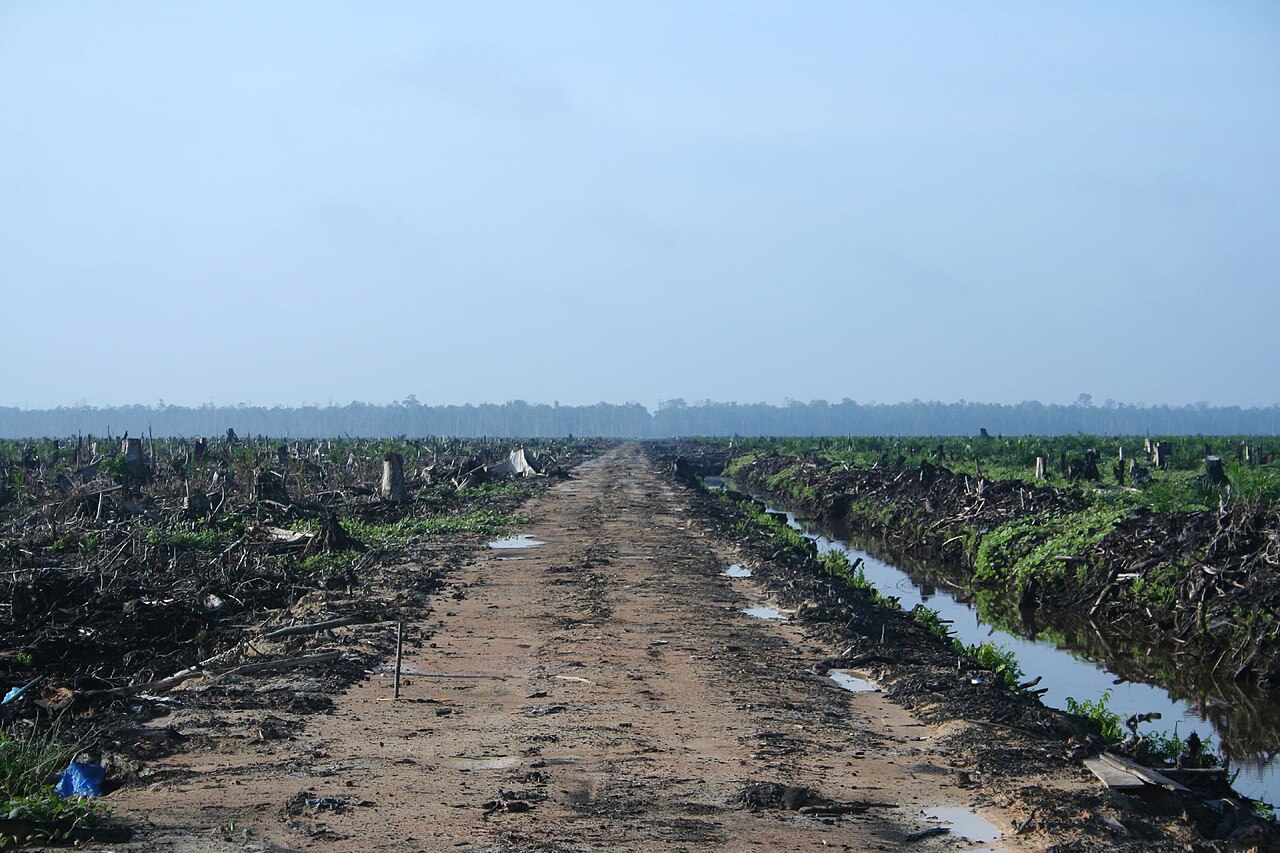
Under EU Regulation 2023/1115—twice postponed via Regulation 2025/2650 from its original December 2024 start—exporters must attach precise geolocation coordinates, origin legality records, and due-diligence statements proving commodities are deforestation-free. Dradjad confirmed that Indonesia's Geospatial Information Agency (BIG) already has the supporting geolocation platform ready, leaving private firms responsible for submitting verified plantation data.
Alongside deforestation compliance, Dradjad flagged a separate tariff cliff in early 2027 when the EU's Generalised Scheme of Preferences (GSP) expires for Indonesia. Unless the Indonesia–EU Comprehensive Economic Partnership Agreement (IEU-CEPA) takes effect before then, approximately $5.6 billion in exports—around 44 percent of Indonesian shipments currently benefiting from GSP—could revert to higher Most Favoured Nation (MFN) duties.

Why does the EU rule hit Indonesian exporters hard?
Failing either geolocation compliance or tariff transitions directly squeezes Indonesian exporters and smallholder farmers by raising landed costs in Europe. Dradjad cautioned that sellers would face hard choices between absorbing higher duties, compressing margins, or raising prices and risking European buyers switching to rival supplier nations.
Economic ministry officials stressed that swift coordination among trade associations, smallholders, and BIG's mapping system is essential before late-December shipping cutoffs. Strengthening national traceability infrastructure remains vital to preserve Indonesia's European export share amid tightening global sustainability rules.