Indonesia's comprehensive economic partnership agreement with the European Union opens opportunities for Indonesian exports through the removal of import tariffs. Trade Minister Budi Santoso said 90.4% of EU tariff lines would fall to zero as soon as the agreement takes effect.
The immediate tariff removal covers palm oil and its derivatives, rubber, footwear, and textiles and textile products, Budi said. A further 7.92% of tariff lines will be eliminated gradually over three to 15 years. Taken together, the reductions cover 98.35% of EU tariff lines.
Budi said preferential tariff access also extends to fisheries products, furniture and other manufactured goods. He argued that lower tariffs could make Indonesian products more competitive on price and give exporters an opportunity to expand in European markets.
For Indonesia, the government hopes the agreement will attract EU investment, strengthen domestic processing industries, create jobs and increase the value added to its commodities. Budi said the agreement was designed to benefit businesses of different sizes, including micro, small and medium enterprises and young entrepreneurs. He identified processing, automotive, renewable energy and the digital economy as potential investment sectors.
The agreement also covers services, investment, intellectual property, government procurement, business competition and sustainable development. The government says it will accelerate ratification so that Indonesia and the EU can bring the deal into force and implement it.
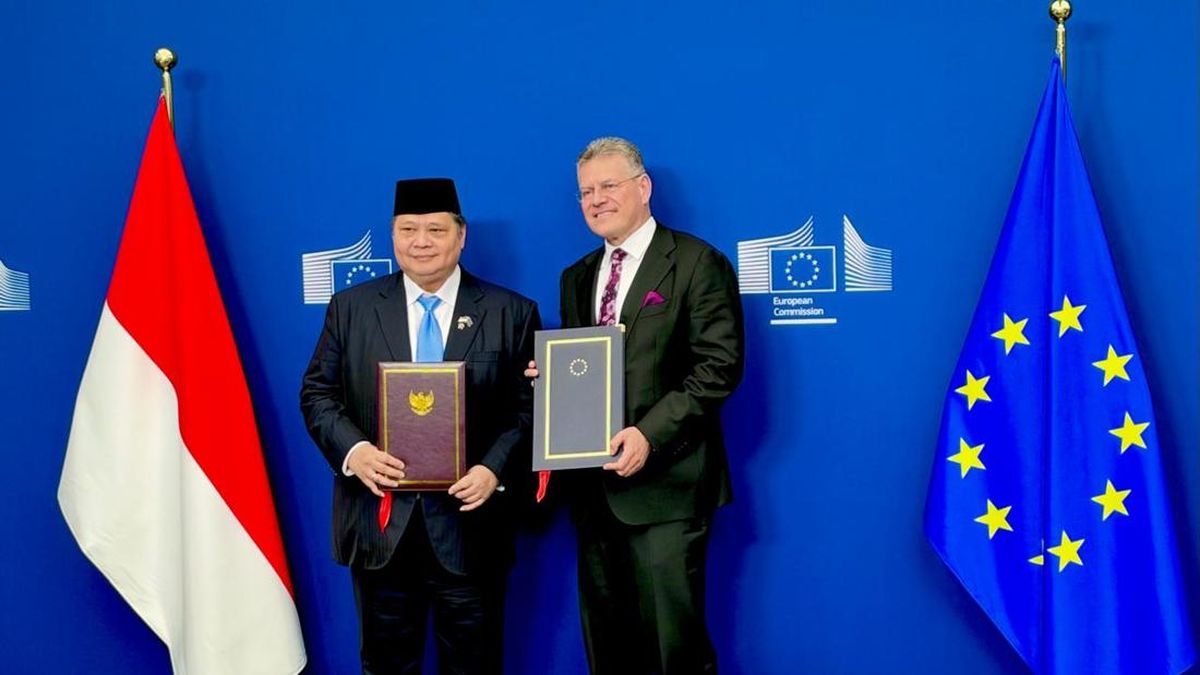
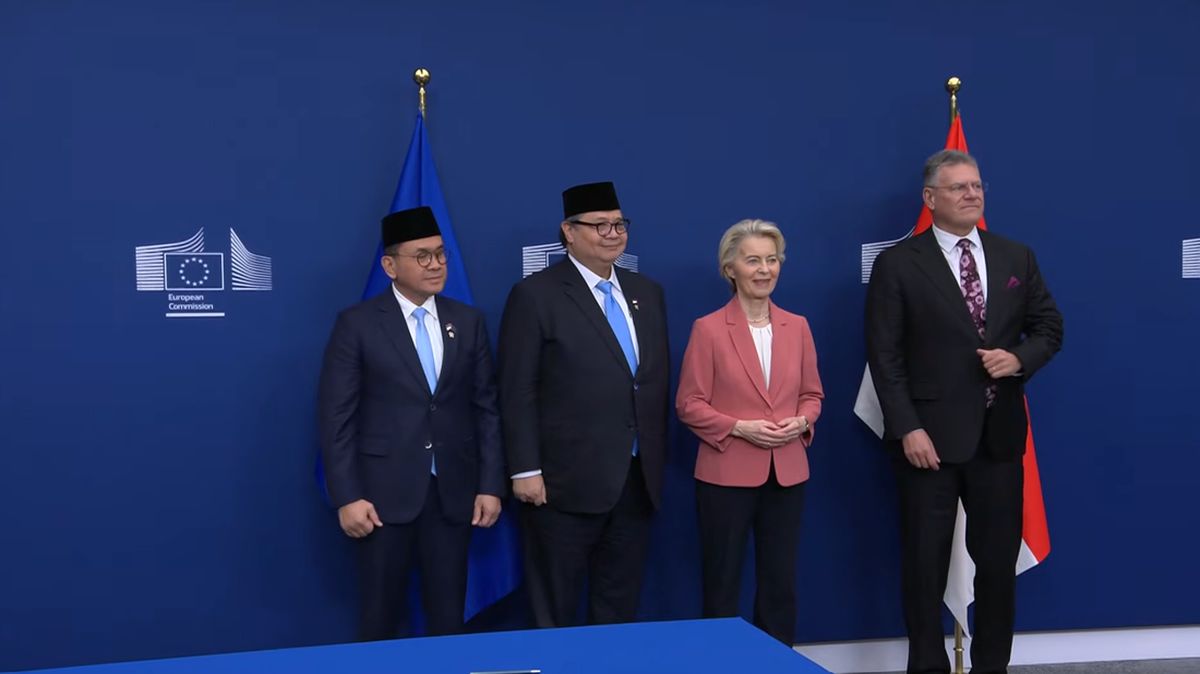
The agreement was signed in Brussels, Belgium, on Saturday local time, following approximately 10 years of negotiations and about 19 rounds of talks. Budi signed the text with European Commissioner Maros Sefcovic, with European Commission President Ursula von der Leyen witnessing the ceremony.