JAKARTAIndonesia's House of Representatives (DPR) Commission III and cabinet representatives unanimously approved the Asset Forfeiture Bill on Corruption and Other Crimes at the committee stage on Wednesday, November 18, 2026. All eight parliamentary factions backed advancing the legislation—first proposed 23 years ago—to a final plenary floor vote, which senior lawmakers confirmed is slated for Thursday, November 19.
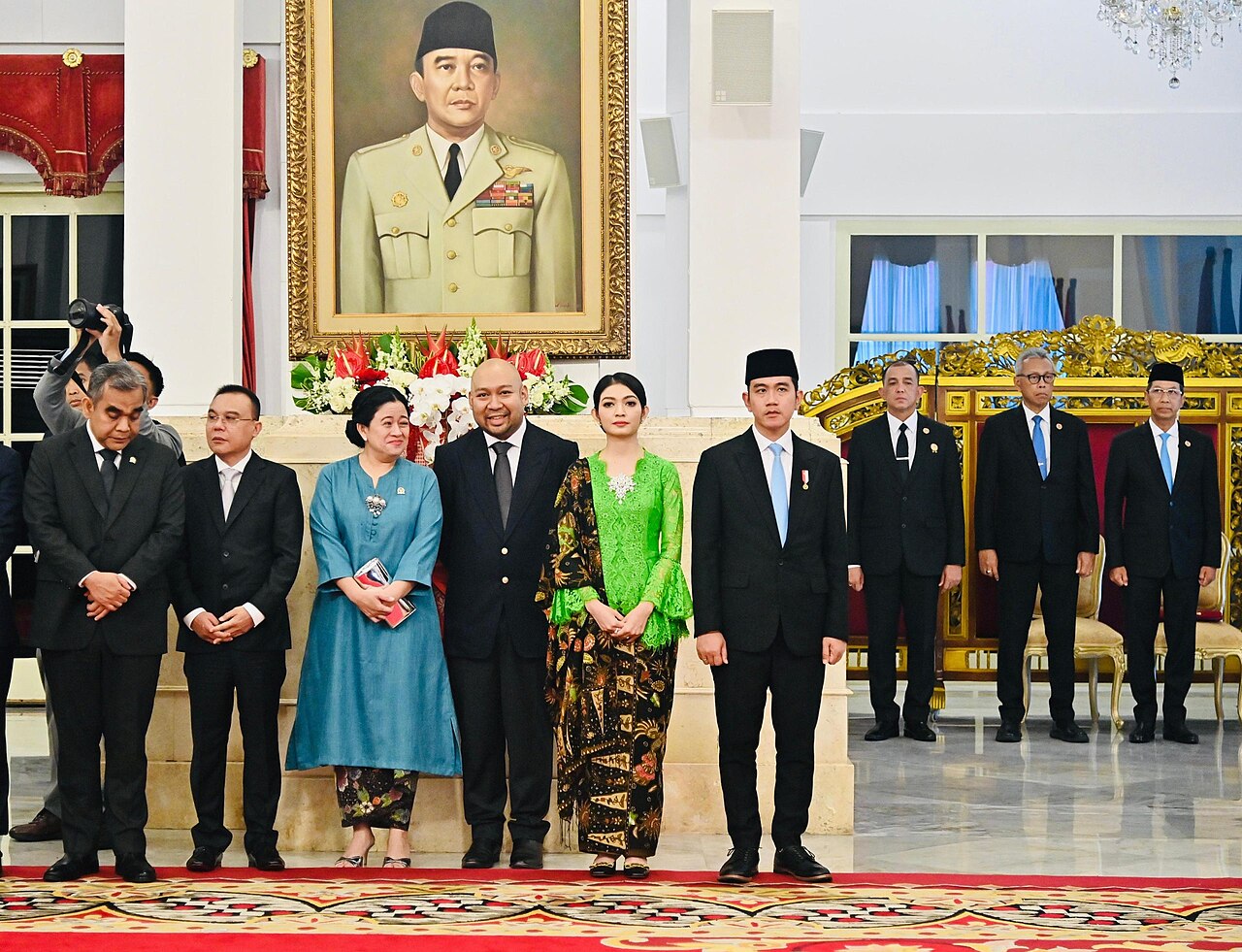
Deputy House Speaker Sufmi Dasco Ahmad chaired the first-stage decision alongside Commission III Chair Habiburokhman, Deputy Chair Moh. Rano Alfath, Deputy Law Minister Edward Omar Sharif Hiariej, and Deputy State Secretary Bambang Eko Suhariyanto. The panel also updated the bill's formal title to specify corruption alongside major financial and organized offenses.
How Many Revisions Were Cleared in the Working Committee?
Commission III's working committee resolved 397 problem inventory items (DIM), comprising 160 retained clauses, 135 editorial revisions, 40 substantive changes, 44 deletions, and 18 newly introduced provisions. Dasco noted that lawmakers conducted 87 public hearings with academics, civil groups, and legal experts since September 2025, continuing sessions even during parliamentary recesses.
Deputy Law Minister Hiariej explained that the bill targets six core crime categories: corruption, narcotics, terrorism financing, weapons and hazardous materials smuggling, human trafficking, and large-scale IT-enabled fraud or embezzlement. Crucially, the procedural framework authorizes both conviction-based and non-conviction-based asset forfeiture, spanning financial tracing, transaction halts, account freezes, seizures, and court adjudication.

How Does the Bill Prioritize Victim Restitution?
Restitution for victims of mass economic fraud—including illicit investment schemes and fake stock trading—is prioritized directly in the draft, Commission III Deputy Chair Rano Alfath said. Habiburokhman added that under prior rules, seized proceeds often lingered in state accounts rather than returning wiped-out household savings, tuition funds, or small business capital to victims.
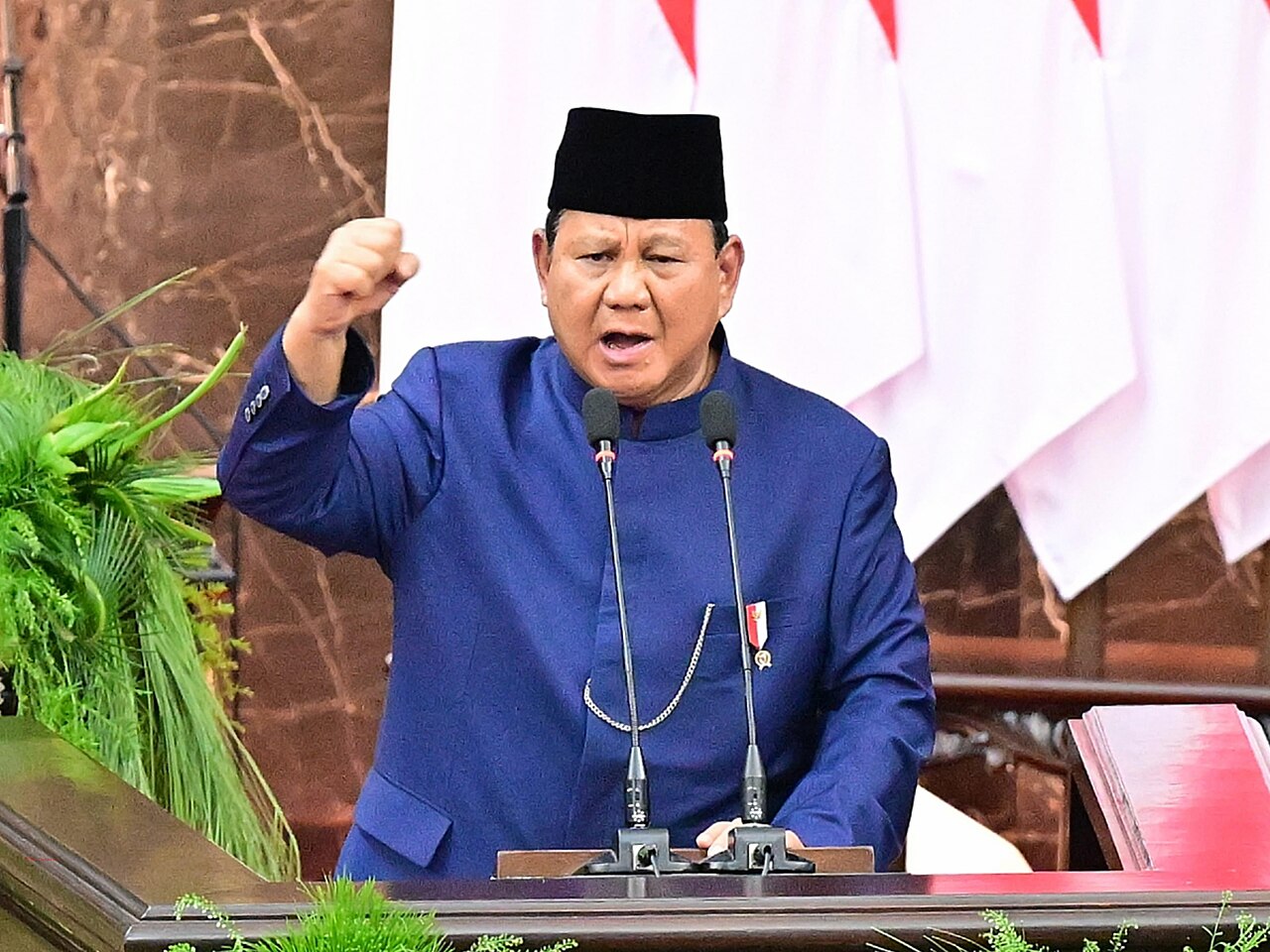
A specialized asset-management agency established by President Prabowo Subianto will administer confiscated wealth under independent oversight, while third parties acting in good faith retain legal safeguards to prove rightful ownership. Although the PDI-P faction urged strict integrity checks on law enforcers, Habiburokhman said protective guardrails were built in to prevent extortion or abuse of authority.
Enactment would mark a structural shift in Indonesia's anti-corruption and financial-crime toolkit, giving prosecutors faster mechanisms to recover illicit wealth before it leaves domestic jurisdiction. For ordinary citizens targeted by digital investment scams, the law promises a clearer legal bridge between criminal prosecution and actual financial recovery.