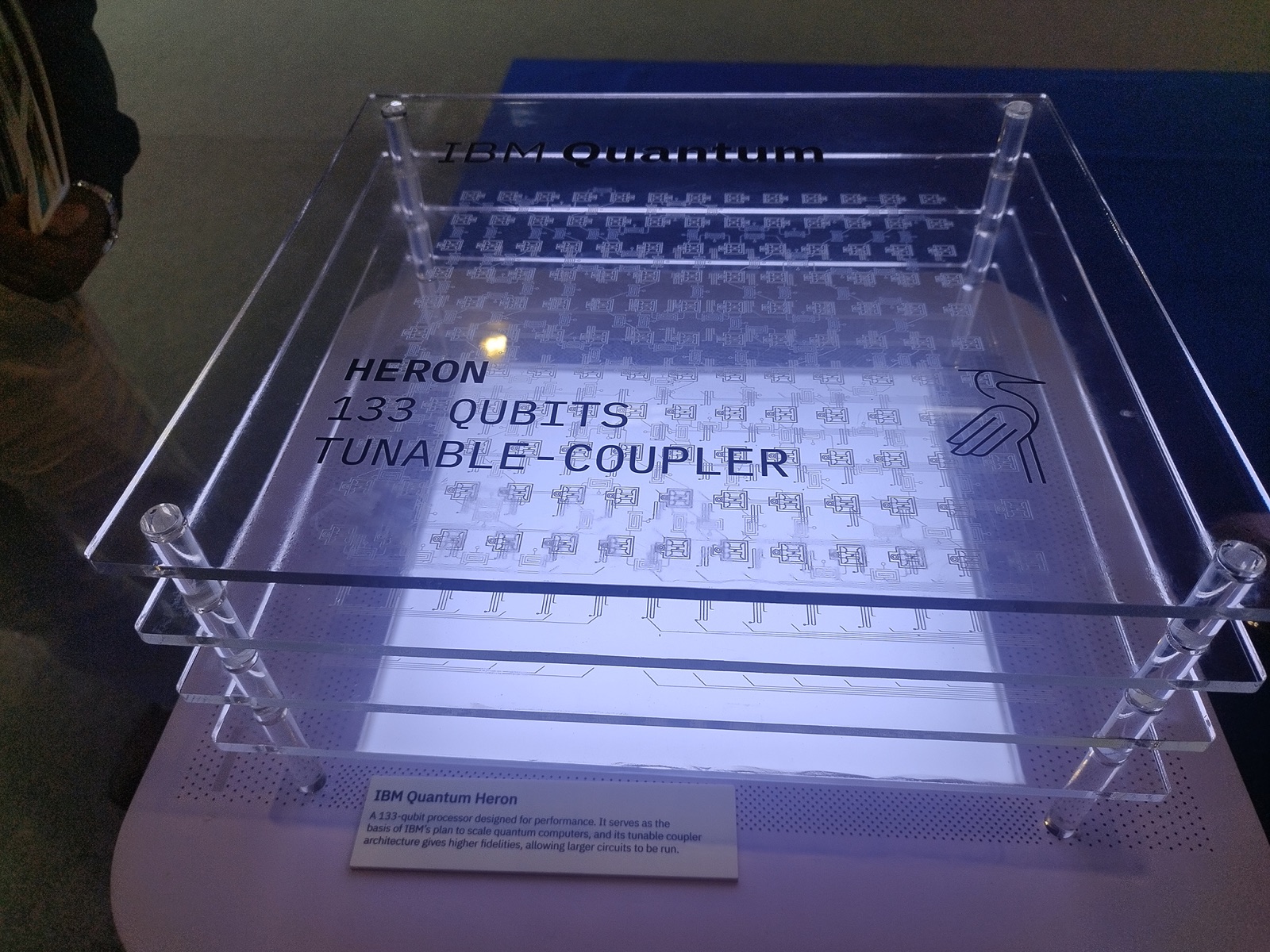
JAKARTANine Indonesian ministries, regulators, and state-owned enterprises formally launched a national push toward Post-Quantum Cryptography (PQC) in Jakarta on Tuesday, November 24, 2026. Coordinated by the Coordinating Ministry for Political and Security Affairs (Kemenko Polkam) alongside PT Telkom Indonesia (Persero) Tbk, the initiative aims to shield sensitive national data before commercial quantum computing matures.
How do quantum computers and Harvest Now attacks threaten data?
Quantum computing poses a direct threat to widely deployed public-key encryption standards such as RSA and Elliptic Curve Cryptography (ECC), which safeguard government communications, financial transactions, and citizen digital identities. Even before large-scale quantum hardware arrives, attackers can exploit Harvest Now, Decrypt Later (HNDL) tactics by stealing and stockpiling encrypted records today for future decryption.

Coordinating Minister Dudung Abdurachman warned that the risk of state secrets being exposed undetected makes PQC readiness a matter of national sovereignty rather than merely an IT upgrade. He instructed ministries and agencies to appoint dedicated officers, map critical digital systems, and align migration plans with the National Cyber and Crypto Agency (BSSN).
How will Indonesia's nine institutions divide PQC migration roles?
Under the Collaboration Intent signed by Kemenko Polkam, BSSN, Komdigi, Kemdiktisaintek, Danantara Indonesia, OJK, Peruri, BRIN, and Telkom, institutional roles are split across policy and execution. Kemenko Polkam orchestrates cross-agency coordination, while BSSN's National PQC Migration Task Force—spanning Technical, Policy, and Industry and Talent working groups—sets technical standards, migration guidelines, and the national roadmap.
In sector execution, Kemdiktisaintek, BRIN, and universities will expand research and talent, Danantara will prioritize strategic state-owned assets, and Komdigi and OJK will guide digital and financial-sector readiness. Telkom President Director Nanang Hendarno said Telkom and Peruri will pioneer deployment across networks, data centers, and cloud platforms forming Indonesia's digital backbone.

What is the global timeline for quantum-safe banking and state data?
Internationally, the US National Institute of Standards and Technology (NIST) issued its first PQC standards in August 2024, with several countries targeting quantum-safe transitions for high-risk systems by around 2030 and full migration by 2035. For Indonesian banks, public agencies, and everyday digital users, inventorying cryptographic assets now gives domestic infrastructure an essential head start against future quantum decryption.