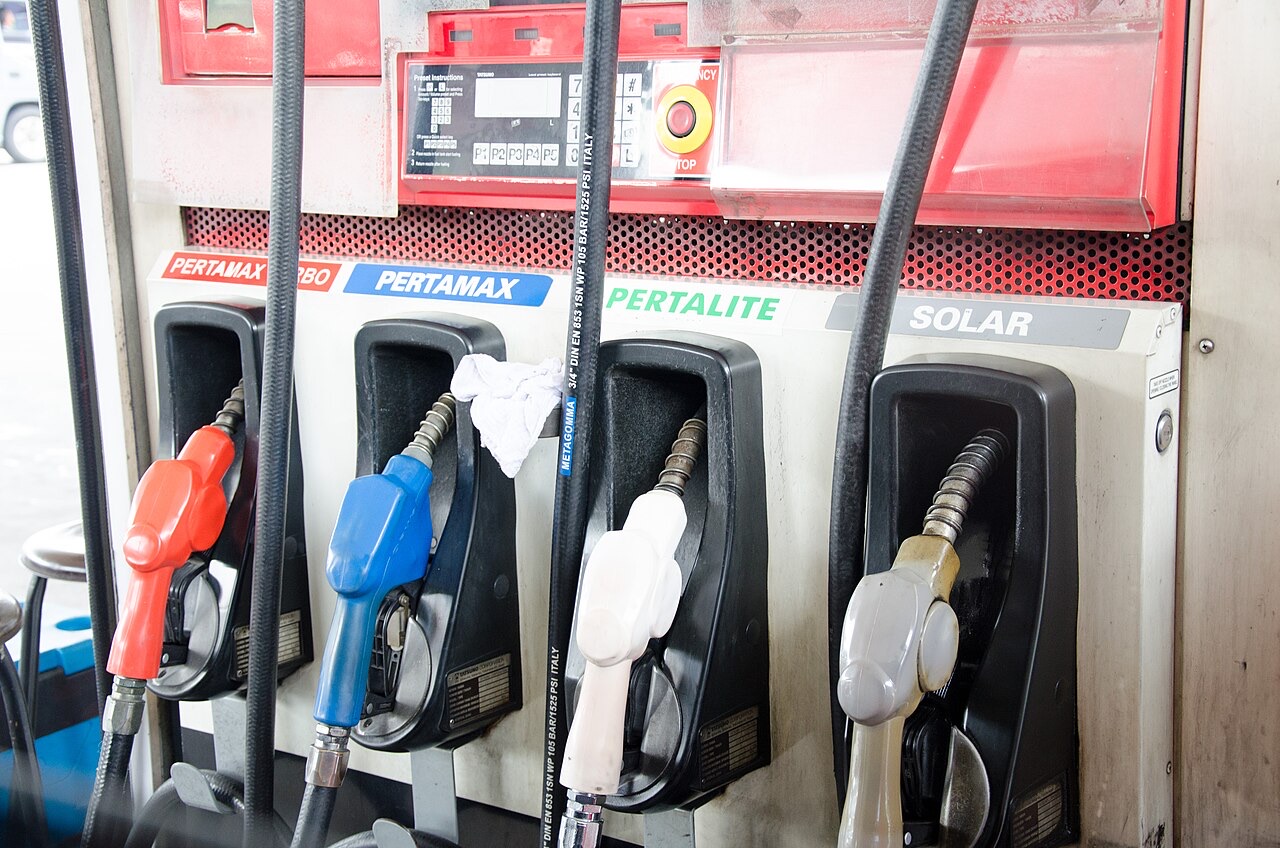
JAKARTAIndonesia's government has unveiled plans to nearly triple its national fuel reserve buffer from roughly 21 days to a minimum standard of 60 days to safeguard domestic energy supplies. Coordinating Minister for Downstreaming and Energy Bahlil Lahadalia, who also serves as Energy and Mineral Resources Minister, announced the target in Jakarta on Monday after chairing the ministry's inaugural coordination meeting.
Alongside wider petroleum storage, Bahlil outlined an energy transition roadmap targeting 100 gigawatts of capacity under President Prabowo Subianto's directive, keeping nuclear power on the table. He reported that unelectrified villages and hamlets have declined from approximately 11,000 to 9,000 nationwide, with full grid access targeted between 2029 and 2030.
How Will Pertamina and State Firms Reach the 60-Day Target?
State-owned enterprises will lead execution of the 60-day fuel stockpile mandate through tighter holding-company alignment. Bahlil designated state enterprise agency chief Dony Oskaria as operational point person to coordinate state firms, noting that national oil company Pertamina now operates under BP BUMN and sovereign fund Danantara while ministries retain regulatory oversight.
To prevent policy bottlenecks, the coordinating ministry is integrating workstreams across the Energy Ministry, the Investment and Downstreaming Ministry, the Industry Ministry, and BP BUMN. Dony affirmed that ongoing restructuring across state enterprises will prioritize domestic downstreaming, industrial expansion, and long-term supply resilience.

Why Does a Larger Fuel Buffer Matter for Indonesia's Economy?
Expanding crude storage capacity across strategic Sumatra hubs also carries sharp fiscal and operational tests beyond construction headlines. Economists including Universitas Ciputra professor Murpin Josua Sembiring noted in early November that a 60-day buffer strengthens Jakarta's crude-import leverage, provided authorities enforce transparent capital budgets, timely stock purchases, and clear emergency-release rules.
Indonesia's urgency comes after Brent crude climbed above 92 to 93 dollars per barrel last week amid maritime disruption fears in the Strait of Hormuz, alongside domestic industrial gas pressures. Building deeper onshore inventories reduces Southeast Asia's largest economy's exposure to sudden tanker bottlenecks, freight spikes, and energy-subsidy shocks.