JAKARTAIndonesia's National Police handled 207 human trafficking reports, detained 238 suspects, and rescued 510 victims during a nationwide crackdown from November 13 to 19, 2026. The week-long operation was led by Bareskrim Polri's Women, Children, and Anti-Trafficking Directorate alongside regional police commands under National Police Chief General Suyudi Ario Seto's enforcement priority.
Director Brigjen Pol. Nurul Azizah told reporters in South Jakarta on Friday (20/11/2026) that the 510 rescued survivors comprised 448 adults and 62 minors. By breakdown, 50 percent were adult women, 37 percent adult men, and 13 percent minors, while the 238 detainees remain unconvicted suspects as investigators pursue suspected network controllers and financiers.
Which trafficking schemes made up most police cases?
Unlawful overseas placement of Indonesian migrant workers accounted for 42 percent of all uncovered cases, followed by alleged adult sexual exploitation at 38 percent. Police also documented suspected domestic-worker abuse, mail-order marriage schemes, fishing vessel crew trafficking, child sexual exploitation, and overseas mercenary military recruitment.
Addressing the mercenary recruitment cases, Sub-directorate II chief Kombes Pol. Yolanda Evalyn Sebayang stated that every case currently handled by Indonesian police involved sending citizens to Russia rather than Ukraine. Recorded victims in those files originated from Jakarta, Surabaya, Bogor, and North Sumatra, while circulating claims about departures to Ukraine remain unverified and outside current formal police case files.

How are rescued survivors protected and sent home?
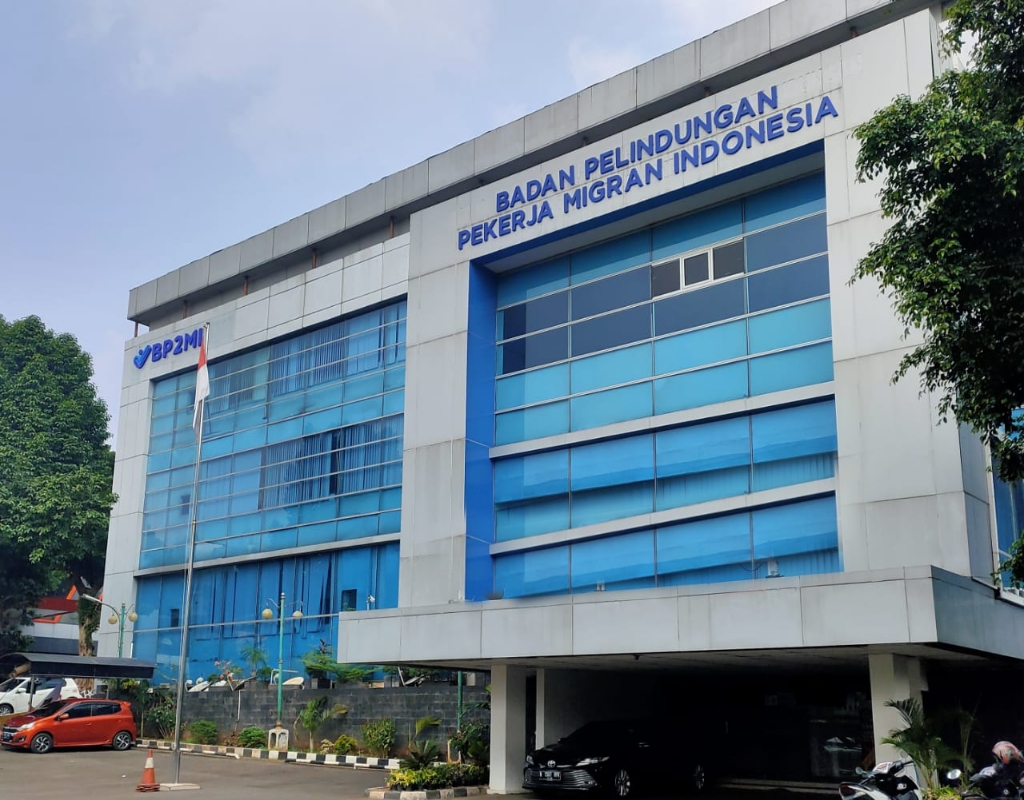
Police repatriated 84 survivors during the seven-day sweep and coordinated shelter, psychological care, strict identity confidentiality, schooling for rescued minors, and adult job support with witness protection agency LPSK, Social Affairs offices, child protection units, and migrant agency BP2MI. Simultaneously, Polri ran 279 Rise and Speak prevention sessions reaching 47,550 participants to warn job seekers against surrendering passports or accepting unverified high-pay offers.
The findings underscore how economic vulnerability across major Indonesian regions exposes job seekers to illegal migration brokers and foreign war-zone recruitment schemes. Police spokesman Kombes Pol. Erdi A. Chaniago said lasting success against trafficking depends on breaking recruitment networks and helping survivors reintegrate safely rather than counting arrests alone.