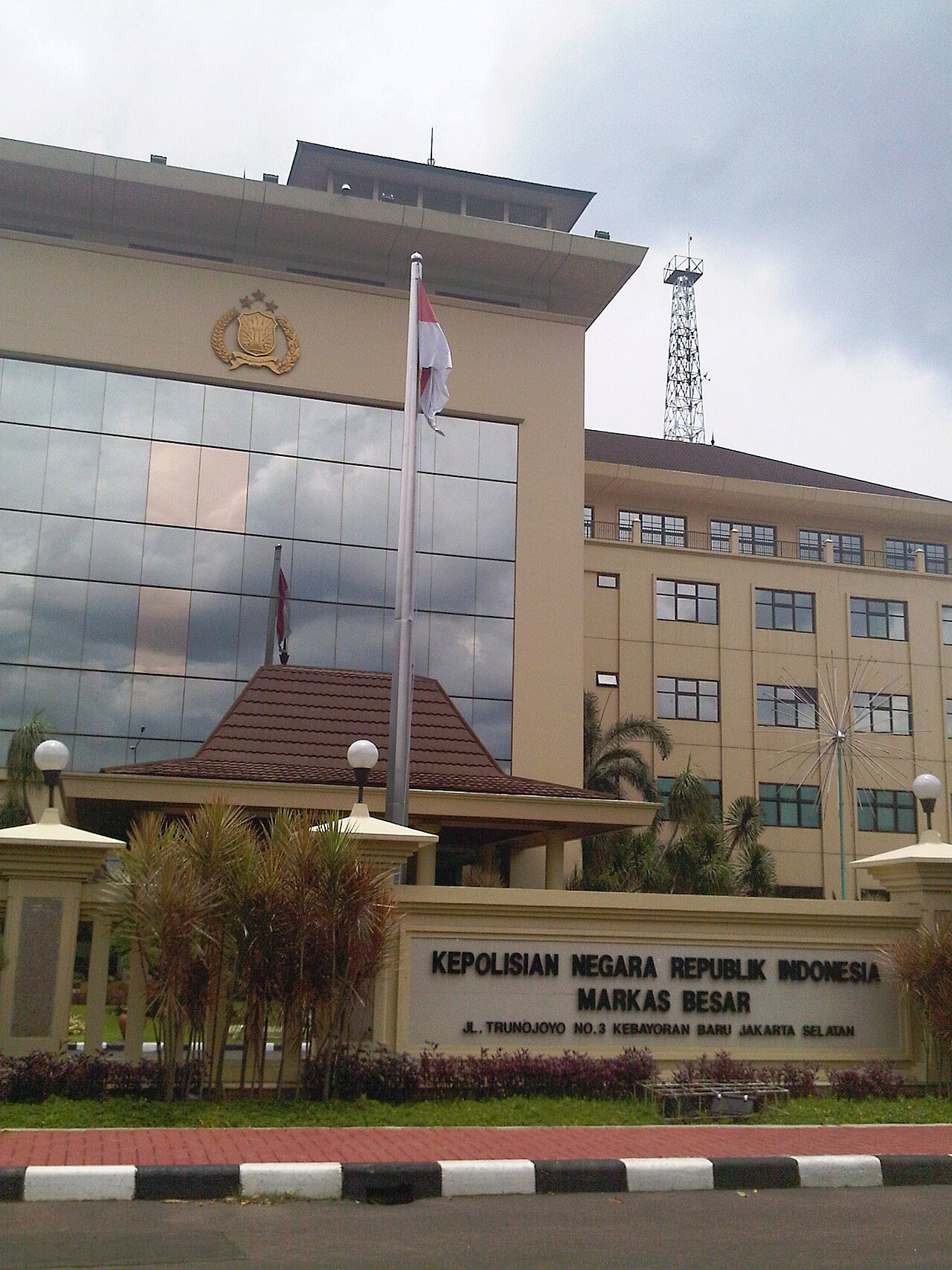
DEPOKIndonesia's National Police Criminal Investigation Agency (Bareskrim) has foiled an alleged attempt to smuggle 72,877 juvenile lobsters valued at roughly Rp5.83 billion in Limo, Depok, West Java, and named two transport crew members as suspects. Following initial arrests in mid-October 2026, investigators detailed the ongoing probe on Tuesday, November 24, 2026, as detectives pursue financiers and overseas buyers linked to the syndicate.
What was seized and what role did the two suspects allegedly play?
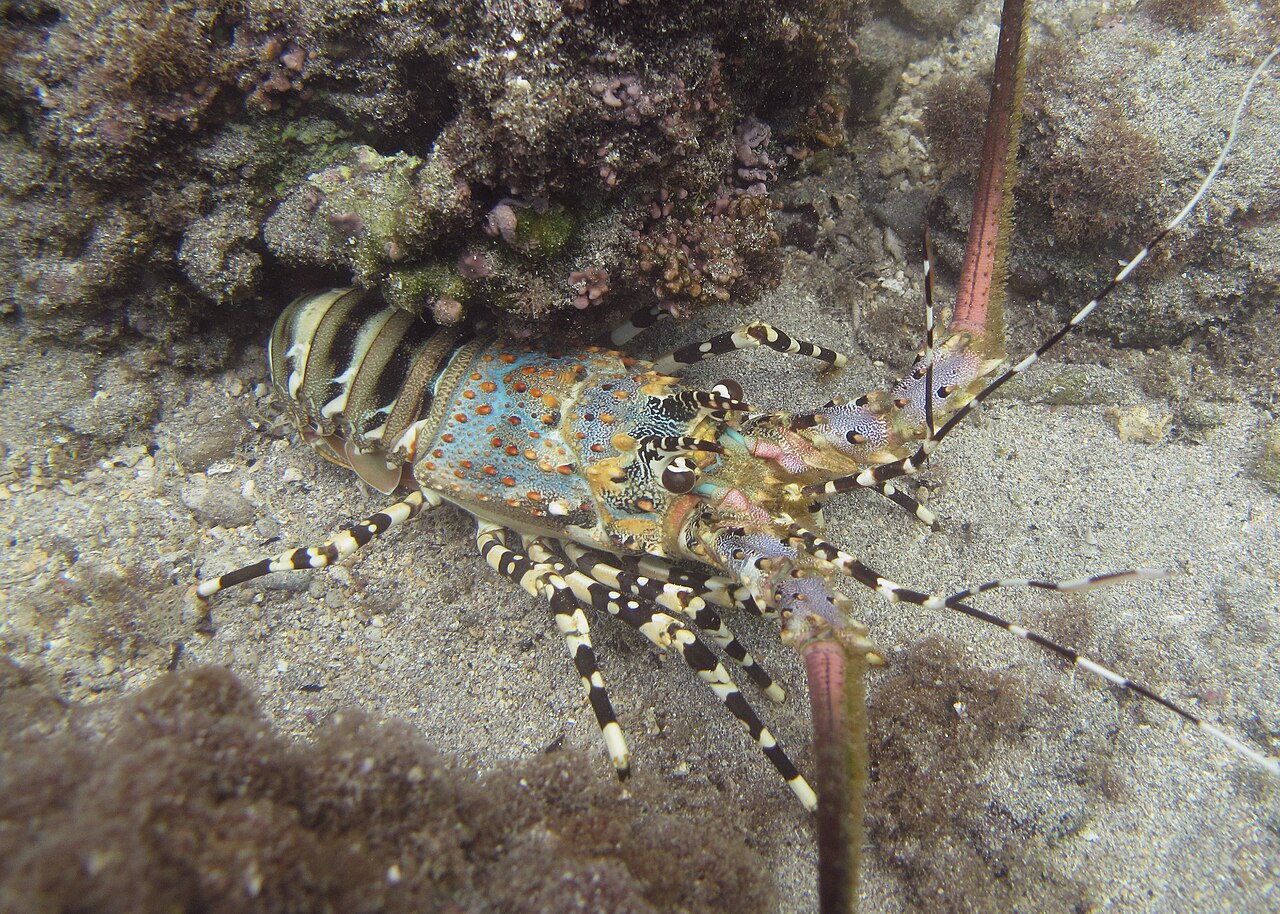
Police seized 365 plastic bags packed across 12 styrofoam boxes holding 66,546 sand lobster seeds and 6,331 ornate spiny lobster seeds during the vehicle interception. Acting Specific Crimes Director Kombes Bismo Teguh Prakoso said the two arrested men worked as driver and assistant, while Specific Crimes Director Brig. Gen. Mohammad Irhamni earlier stated field couriers were allegedly paid Rp400,000 per trip under orders from backers.
Investigators reported that the shipment originated from Pelabuhan Ratu and Pangandaran in West Java before arriving at a transit house in Cinere, Depok, for re-oxygenation and onward transport toward Pamulang in South Tangerang. Police allege the network planned to move consignments overland via Sumatra and Jambi for illegal export to overseas markets including Vietnam, Malaysia, Singapore, and Cambodia, where seeds fetch an estimated Rp80,000 apiece.
How large are the state losses investigators are probing?
Bareskrim estimates cumulative potential state losses from the network could reach between Rp83.9 billion and Rp125 billion across roughly 40 earlier shipments suspected of evading enforcement. Brig. Gen. Mohammad Irhamni said detectives are still tracking suppliers, financiers, and foreign buyers because the two detained couriers told investigators they did not know the individuals who handed over the stock in Pangandaran.

Both suspects face preliminary charges under Article 92 of Law No. 31 of 2004 on Fisheries and remain in police custody while investigators prepare case files for prosecution, with no court verdict yet issued. Alongside the fisheries case, detectives have opened a money-laundering investigation to trace proceeds from earlier unintercepted shipments and identify higher-level organizers.
The threat of lobster smuggling to Indonesia's fisheries
For Indonesian maritime enforcement, the Depok seizure highlights the scale of illegal juvenile lobster trafficking from southern Java waters, where a single intercepted load carried a Rp5.83 billion estimated street value. Pursuing money-laundering charges against financiers marks a critical effort to protect Indonesia's coastal fisheries and curb illicit outflows estimated at tens to hundreds of billions of rupiah.