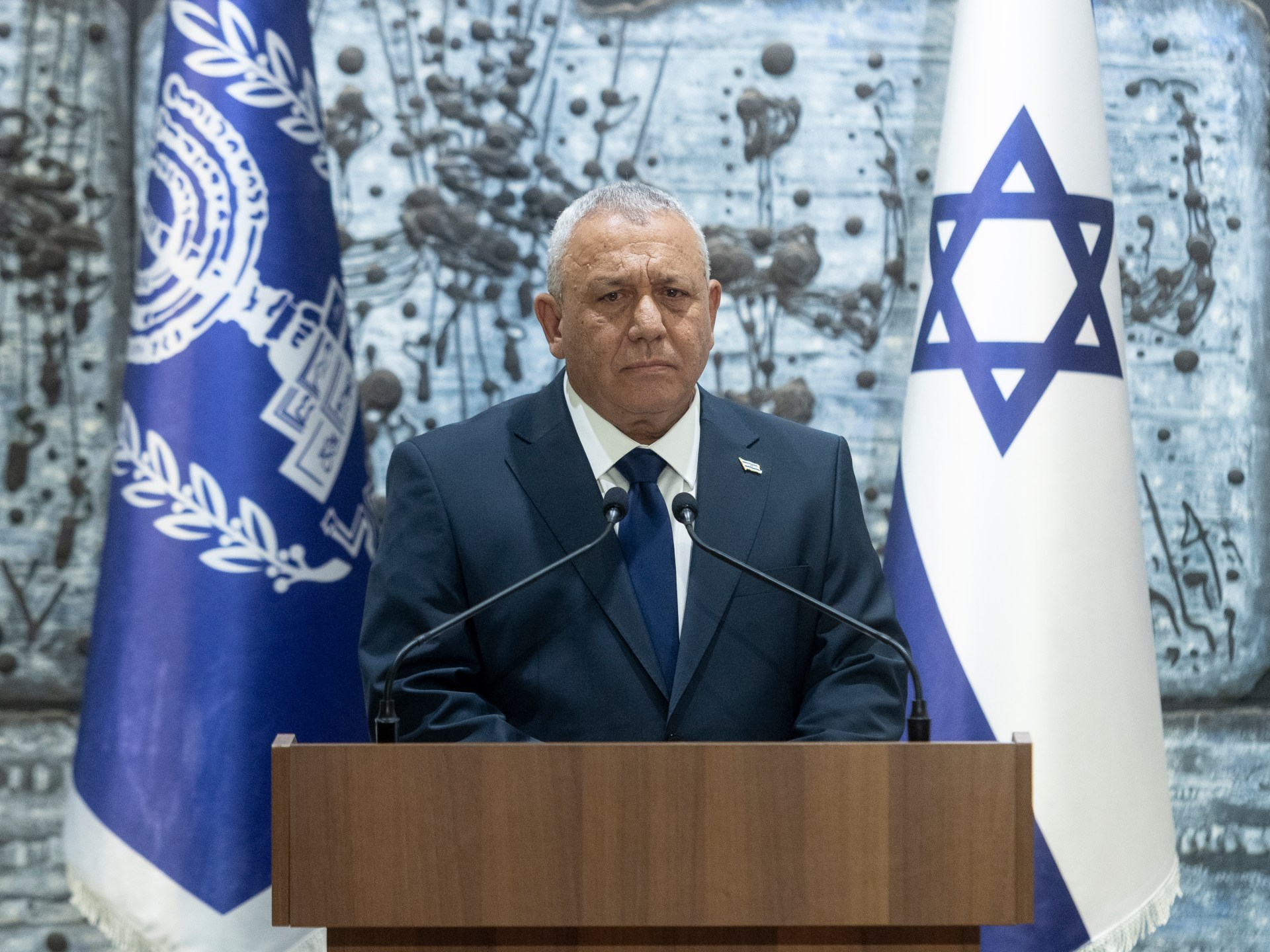
JERUSALEMIsraeli opposition leader Gadi Eisenkot of the Yashar party reached a coalition pact with Avigdor Lieberman's right-wing Yisrael Beiteinu party on Tuesday (Nov 24), marking the first formal alliance since October's inconclusive election while rejecting an immediate military strike on Iran.
Why does the Eisenkot-Lieberman pact shift Israel's coalition math?
The agreement matters for Knesset arithmetic because no bloc secured a 61-seat majority in the 120-member parliament after the October 27 vote stripped caretaker Prime Minister Benjamin Netanyahu of his majority, forcing lawmakers to be sworn in on November 10 without a government. Yashar's 21 seats and Lieberman's 7 leave Eisenkot's broader change bloc at 48 seats, trailing Netanyahu's Likud and ultra-Orthodox alliance at 53 seats.
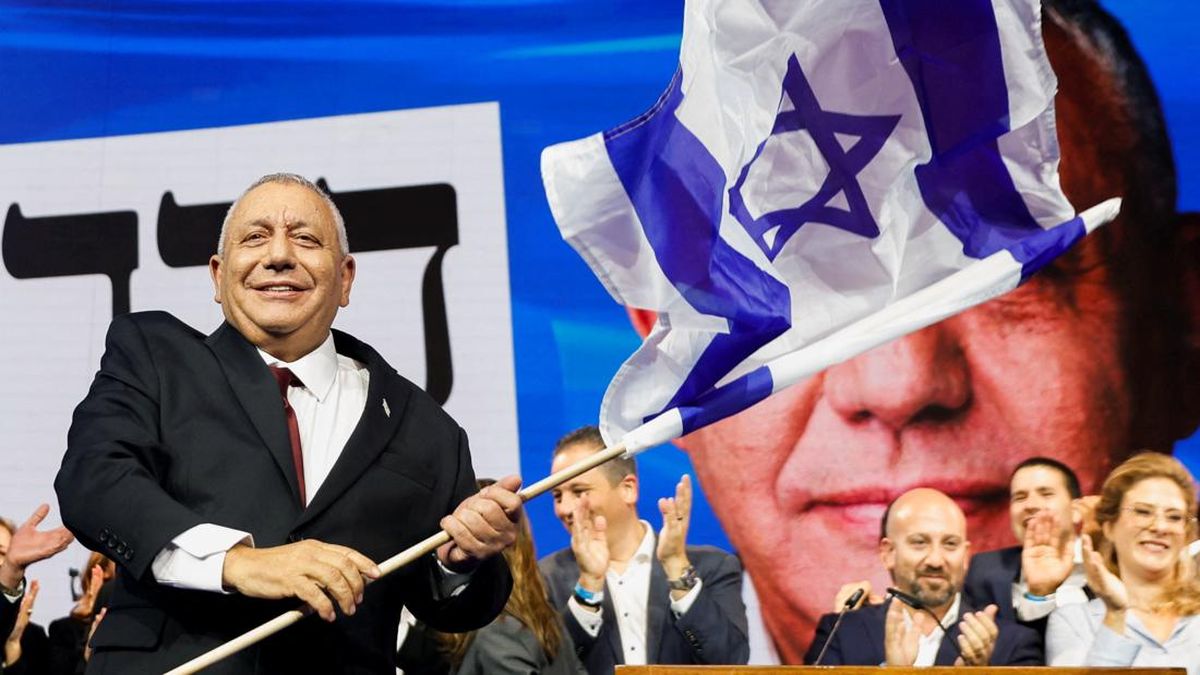
Coalition negotiations remain fractious after Yair Golan's left-wing Democrats, holding 8 seats, suspended talks with Eisenkot over his parallel unity discussions with Likud. Israeli outlet The Wall reported that former prime minister Naftali Bennett views a unity deal with Likud as exhausted, while Lieberman wants to explore ultra-Orthodox participation, leaving open a minority cabinet reliant on Arab-minority parties holding 19 seats.
The December 6 mandate deadline and Knesset vote hurdle
Under the 28-day mandate granted by President Isaac Herzog, Eisenkot faces a December 6 deadline to form a government, with an optional 14-day extension, though reports say his camp aims to notify Herzog of a deal next week. Even after notifying the president, any proposed cabinet, policy platform, and ministerial lineup must survive a Knesset confirmation vote, or the mandate passes to Netanyahu ahead of potential fresh elections next year.

Addressing party members on Monday (Nov 23) after four-hour talks with Likud stalled, Eisenkot said he sees no immediate and urgent Iranian threat requiring Israeli military action before a new government is seated. His restraint contrasts sharply with Defense Minister Israel Katz's earlier warning, previously reported by AIGOS News, accusing Iran of developing chemical weapons and floating pre-emptive strikes.
Why does Eisenkot's stance on Iran matter for Indonesia?
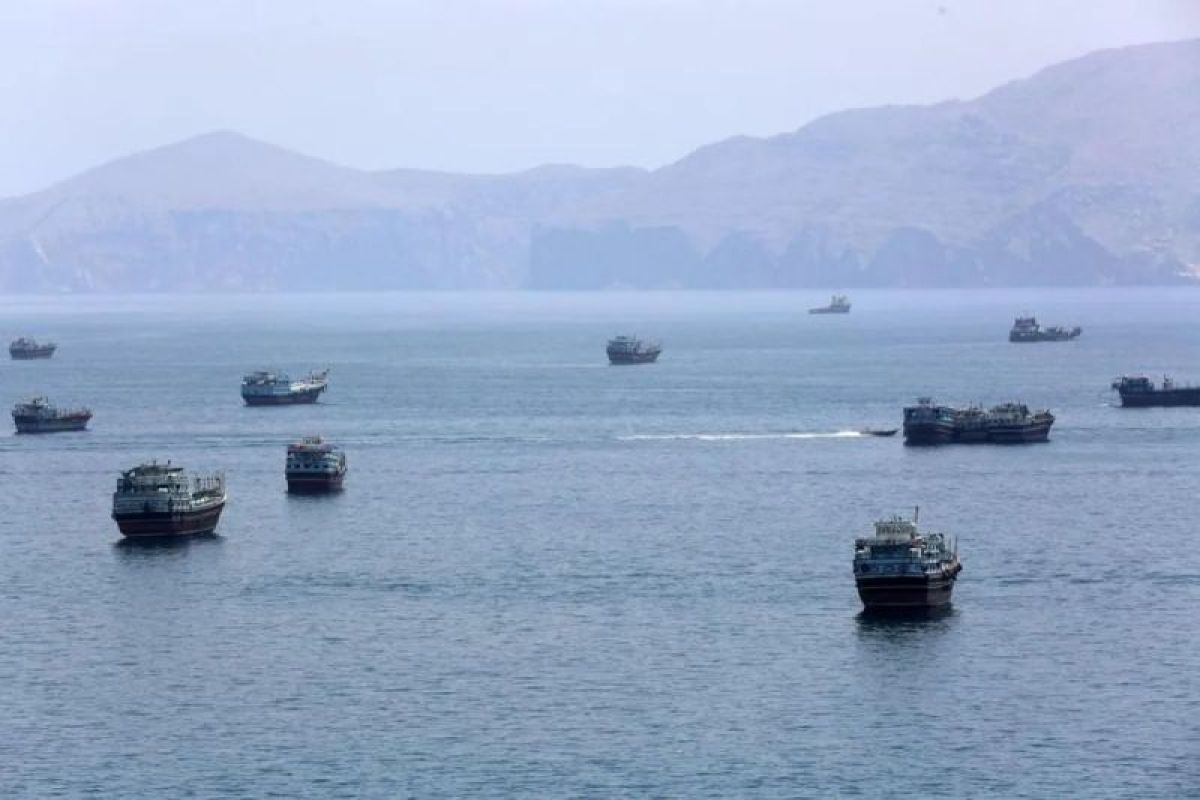
For Indonesia and Asian energy importers, Eisenkot's pushback against a premature strike on Iran reduces near-term risk of a wider regional war around the Strait of Hormuz. Further military escalation in the Gulf could disrupt tanker traffic, pressure the Rupiah, and complicate energy procurement at a time when Pertamina is actively seeking non-Middle East crude supplies.