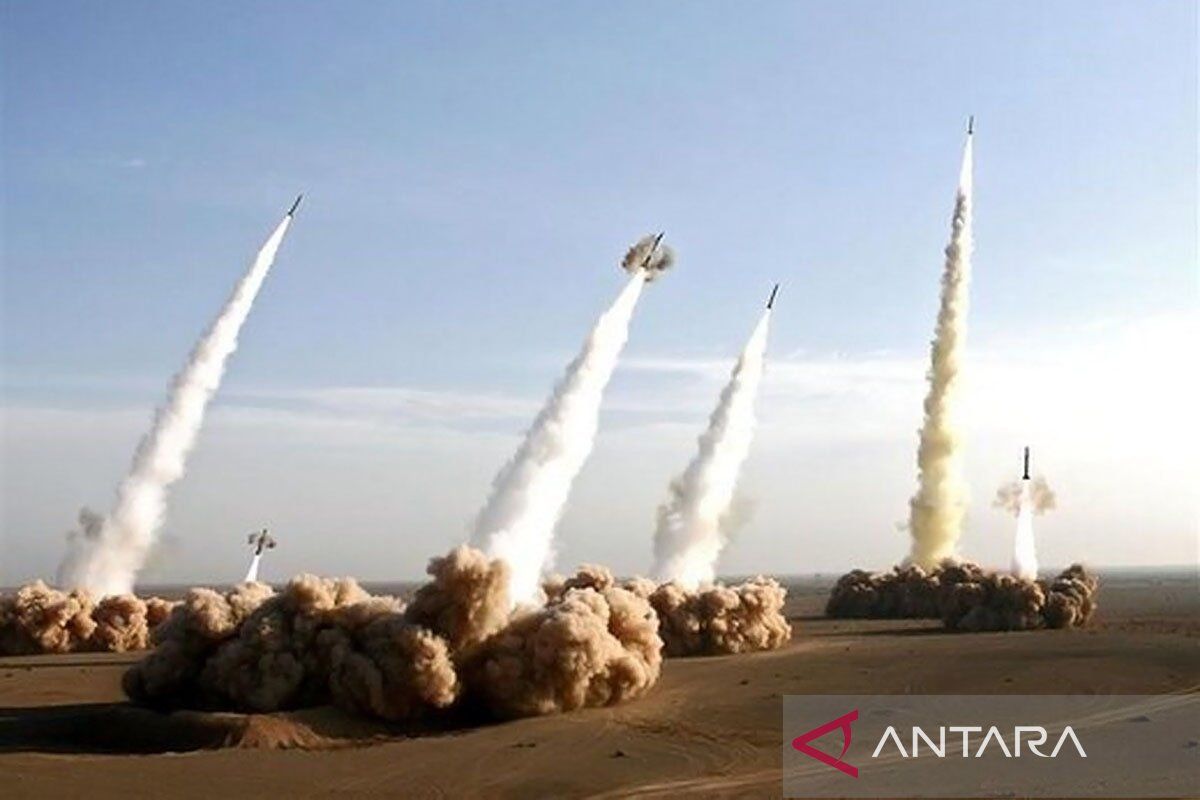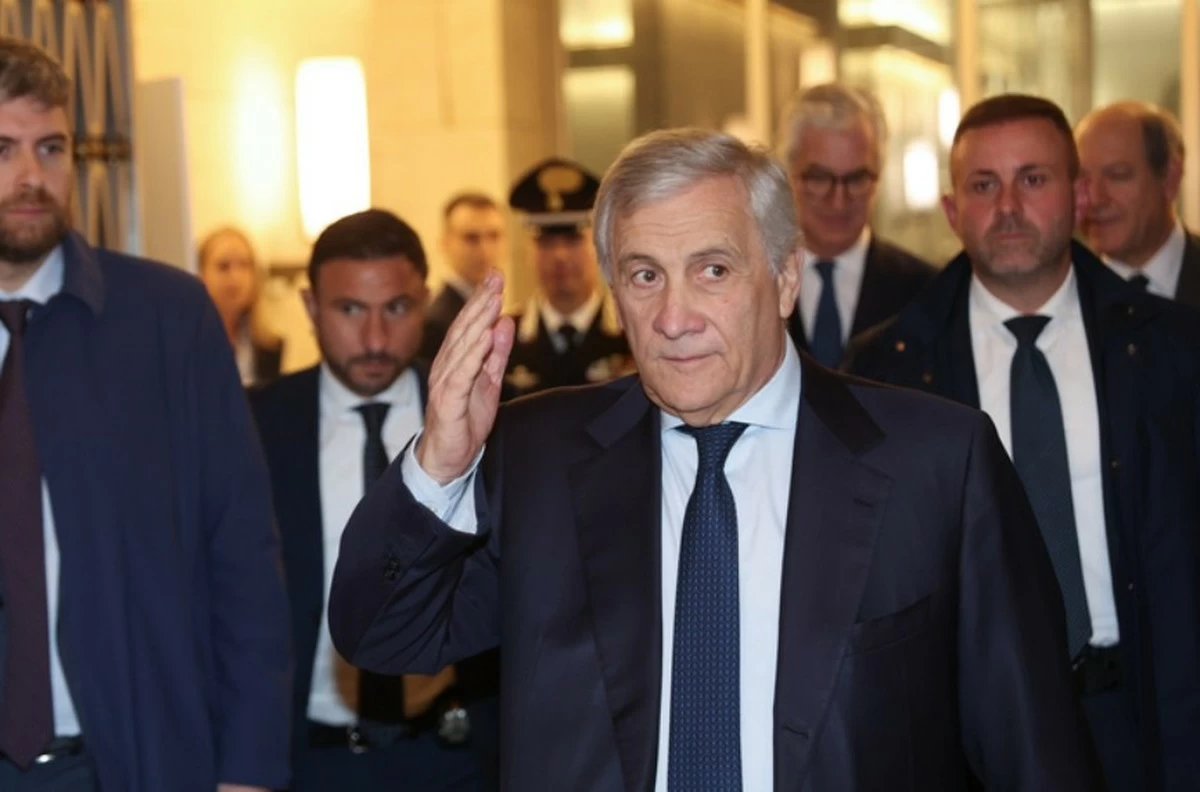
KUWAIT CITYItalian Foreign Minister Antonio Tajani announced that Kuwaiti investigations confirmed the drone that killed two Italian technicians at a Kuwaiti military facility was manufactured in Iran. The diplomatic finding coincides with widening maritime hostilities near the Strait of Hormuz.
Tajani stressed that Iranian manufacture does not automatically prove the drone was launched from Iranian territory or by Iranian armed forces, noting that regional Iran-aligned groups also operate similar systems. Iranian Foreign Minister Abbas Araghchi denied any Iranian launch and offered to join a joint inquiry commission with Italy and Kuwait.
Did Iran admit launching the deadly Kuwait drone?
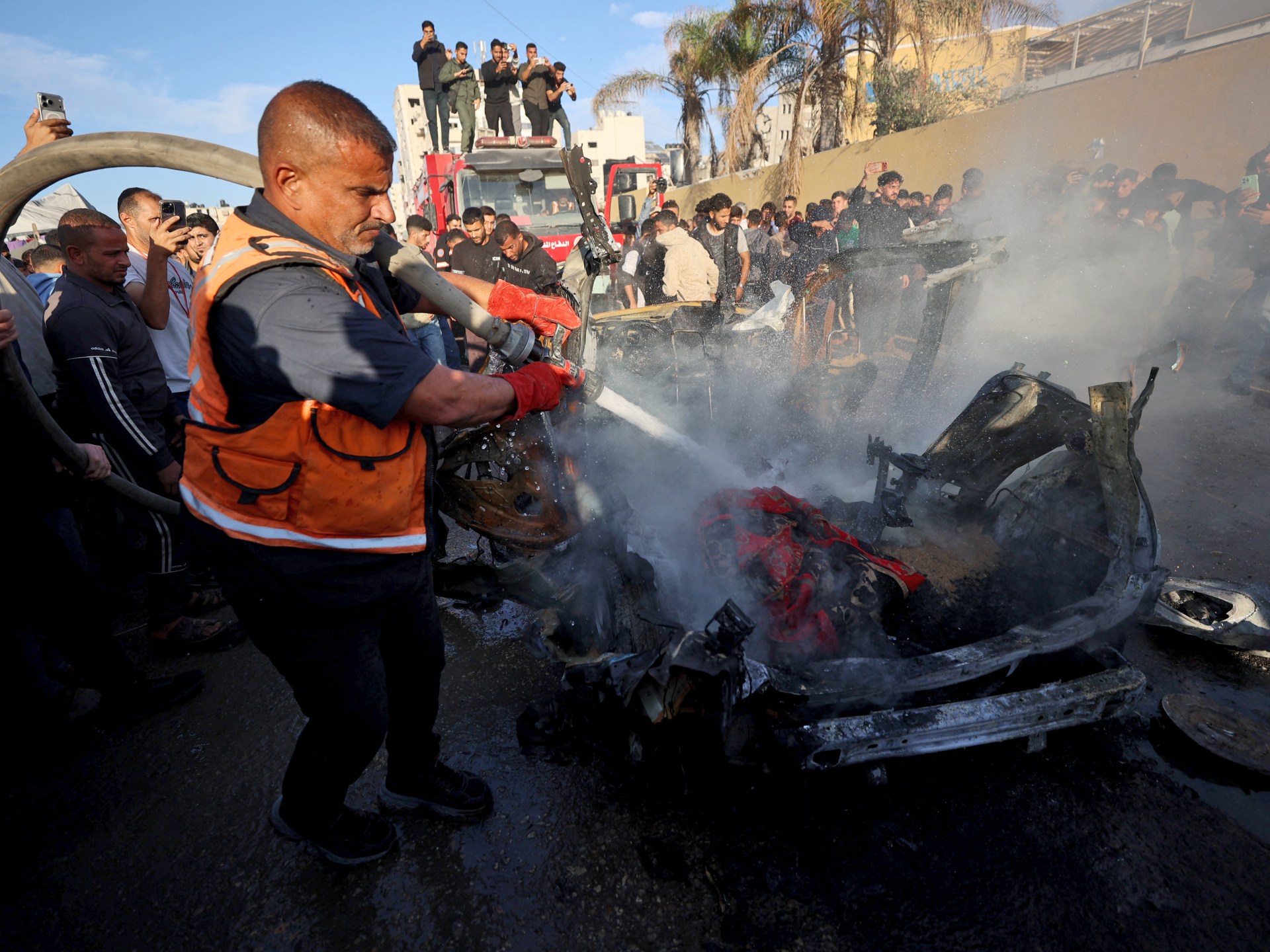
The victims were Rheinmetall Italia technicians Antonio Saccoccio, 65, and Emanuele Lo Russo, 36, who were maintaining Skyguard air defense radar equipment when shrapnel struck the site and wounded a Kuwaiti and a Pakistani national. Kuwait summoned Iranian Ambassador Mohammad Tutunji in protest, while Italian Defense Minister Guido Crosetto told Parliament that Italy is redeploying troops from Kuwait to Saudi Arabia and other locations.
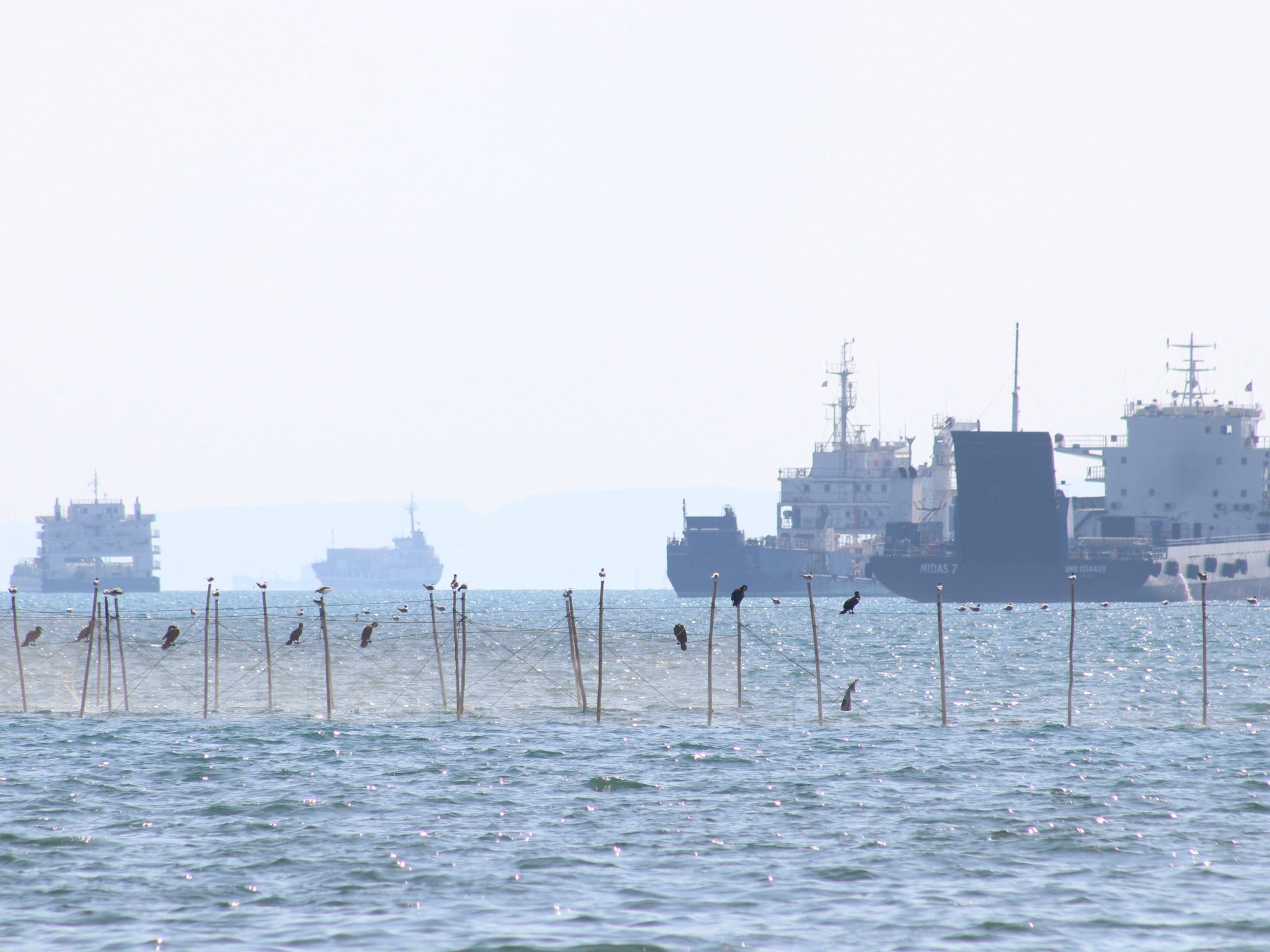
Simultaneously, Iran's Islamic Revolutionary Guard Corps reported that two oil tankers caught fire and exploded after hitting naval mines near Oman's Khasab port and in the eastern Strait of Hormuz. Alongside a projectile strike that disrupted Saudi Aramco's Jazan refinery, the supply risks lifted Brent crude roughly 3% over the week to settle at US$95.44 a barrel on Friday.

How do Hormuz oil risks affect Indonesia's fuel budget?
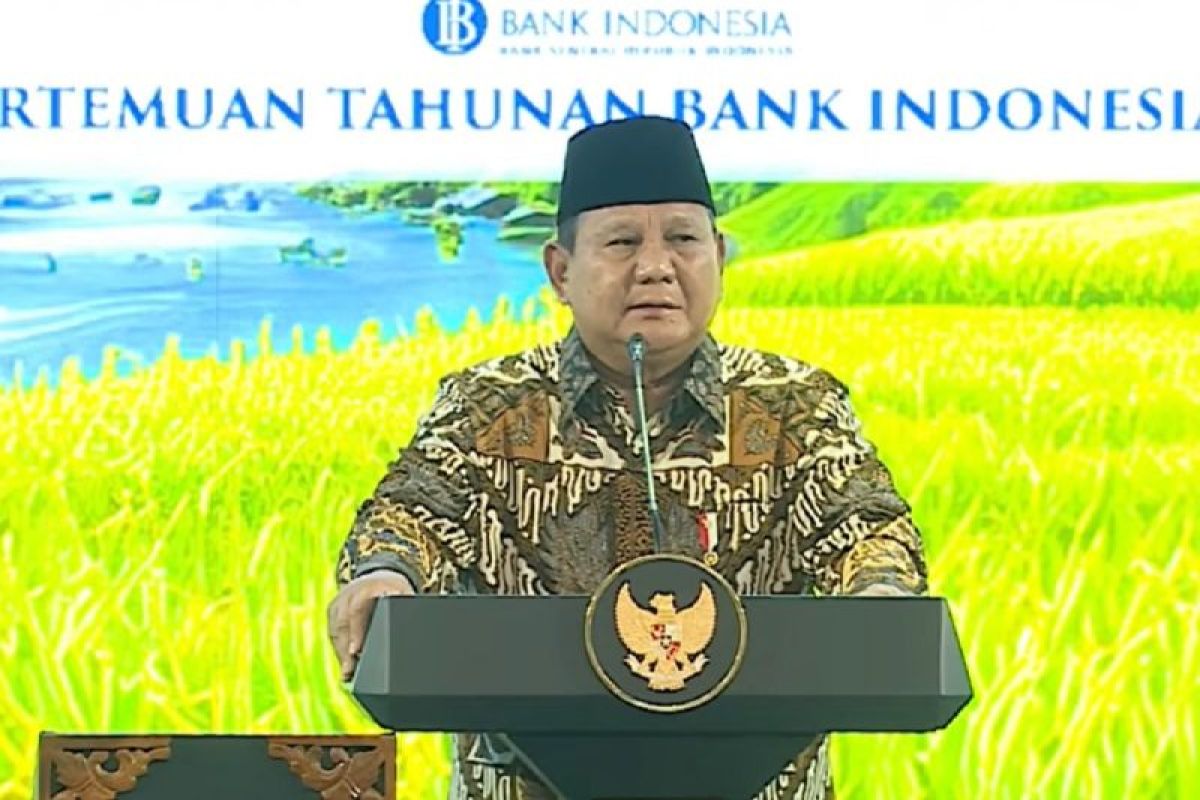
For Indonesia, a net oil importer, renewed Strait of Hormuz shipping hazards and rising Brent crude directly test fuel subsidy costs and Rupiah stability. In Jakarta, Finance Minister Suahasil Nazara emphasized that holding domestic fuel prices steady helped protect household purchasing power and 5.47% third-quarter economic growth, even as the OECD warned surging global oil prices increase fiscal pressure on the state budget.
Diplomatic fallout between Kuwait, Rome, and Tehran
Earlier, Iranian military spokesman Abolfazl Shekarchi rejected Kuwait's accusations and alleged false-flag operations by the United States and Israel. Energy traders remain on alert as US naval forces enforce an embargo near Iran and Tehran threatens to keep the Strait of Hormuz closed.