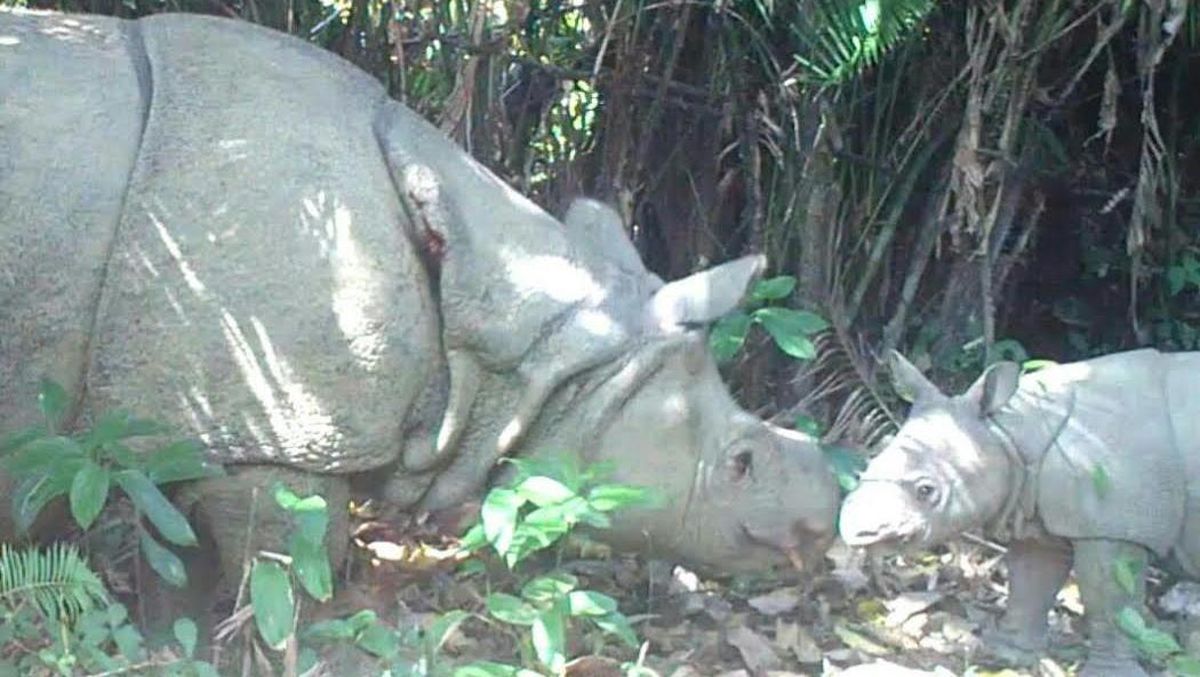
A second population of Javan rhinos should be established gradually and supported by scientific research to reduce the risk of extinction, according to wildlife conservation expert Sandy Nurvianto of Indonesia's Gadjah Mada University. He said the survival of the existing population in Ujung Kulon National Park must remain protected throughout the process.
In a Forestry Ministry statement received in Jakarta on Saturday, November 21, Sandy said having the entire population in one area left the species vulnerable to a major disruption. A disease outbreak or natural disaster could threaten all the rhinos, whereas a second population could survive if the other were affected.
Sandy said the proposal had been discussed since 1986, following the sudden deaths of five Javan rhinos that were suspected to be linked to disease. He also identified a potential tsunami associated with volcanic activity in the Sunda Strait as a risk and called for consideration of the park's capacity to support the animals. Establishing a second population, he stressed, did not mean rhinos should be moved out of Ujung Kulon immediately.
Harini Muntasib, a professor at IPB University and an expert in conservation and ecotourism, highlighted the risk of inbreeding associated with a limited population and genetic variation. She said this could affect the population's health and long-term survival.
Harini recommended first strengthening management through the Javan Rhino Study and Conservation Area, which is inside the national park, rather than moving rhinos directly to a distant second habitat. The area is intended to support more controlled management and breeding while taking the animals' health and genetic condition into account.
She said Ujung Kulon could still support rhinos and their reproduction, pointing to the continued identification of new individuals. But the spread of langkap vegetation in parts of the park can restrict the undergrowth that supplies rhino food, she said, making continued study and management necessary.