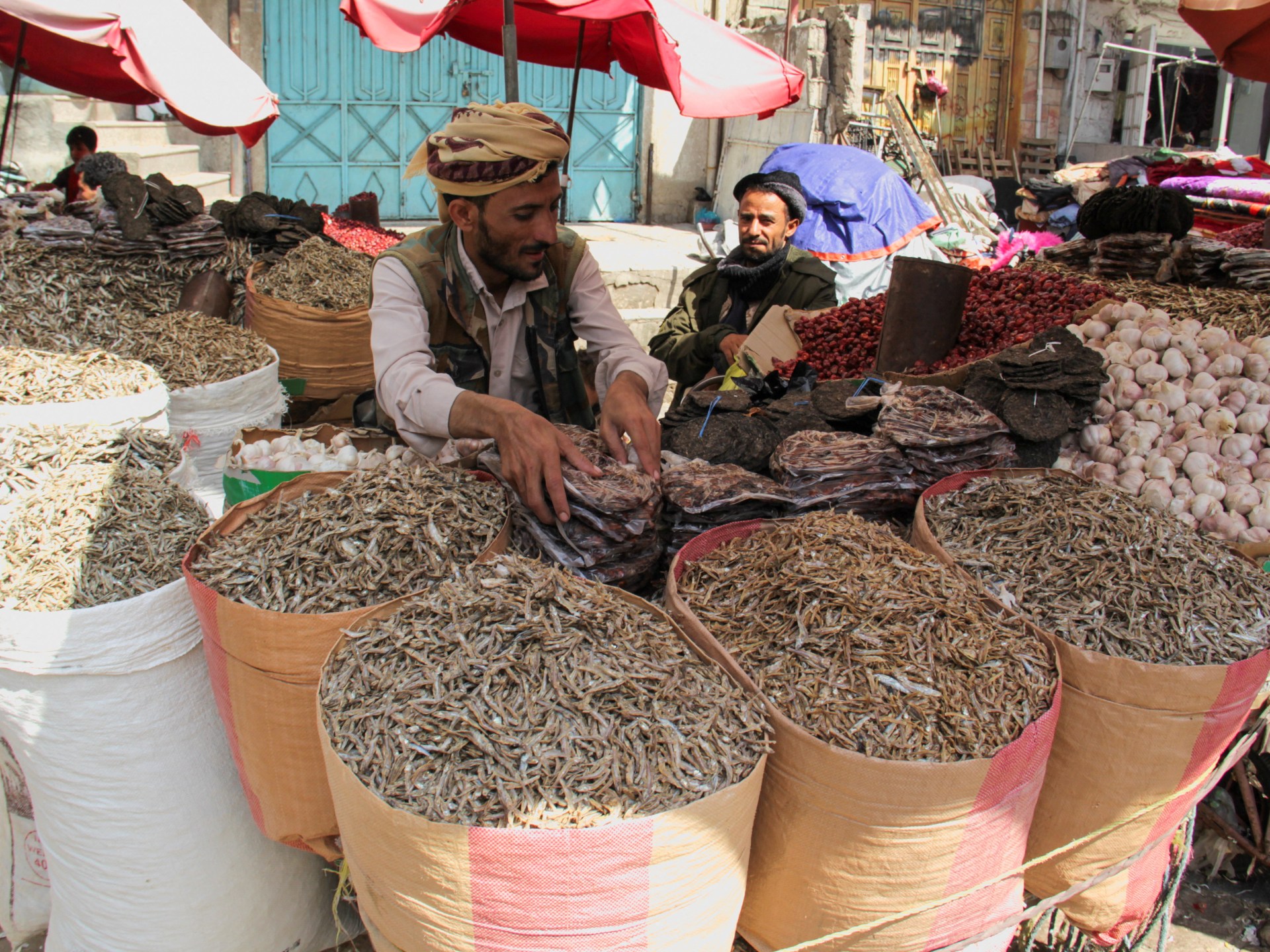
Families in Houthi-controlled northern Yemen are struggling to buy food even where it remains available in markets. Low earnings, rising prices and the suspension of a major aid programme have made daily meals harder to afford.
Umm Sami, a widow raising four children in the port city of Hodeidah, sells household goods and occasionally does domestic work to feed her family. She told Al Jazeera that she sometimes can afford only enough flour or oil for a single day.
Food was available in the markets monitors could reach in September, according to the Yemen Joint Monitoring Report. But the cost of a basic food basket in Houthi-controlled areas rose about 7 percent from August to its highest level in a year. FEWS NET reported that most households in and around northern towns find only five to 10 days of paid work a month.
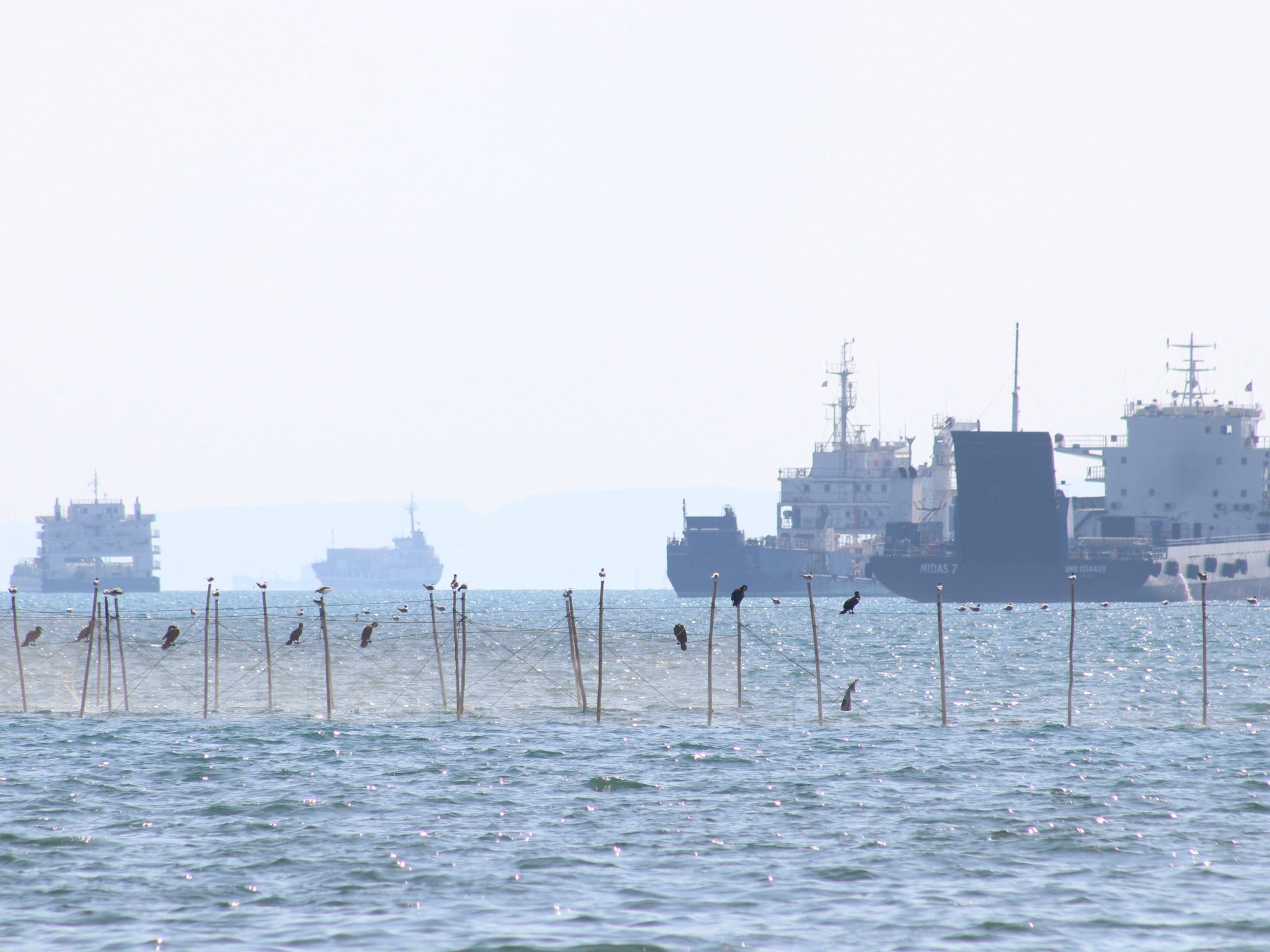
Transport costs are adding to the pressure. Yemen imports about 90 percent of its food, according to the World Food Programme (WFP). The UN Food and Agriculture Organization reported that fuel imports fell about 85 percent year on year in August. Hodeidah port remains open after attacks, but their effect on deliveries is unclear.
WFP suspended its activities in Houthi-controlled areas in September 2025 after the group detained UN staff. Other aid organisations still work in the north, but funding cuts and restrictions limit their reach. FEWS NET expects emergency levels of hunger to persist in Hodeidah and Hajjah through May 2027; the UN-backed IPC has not published a recent analysis of Houthi-held areas.