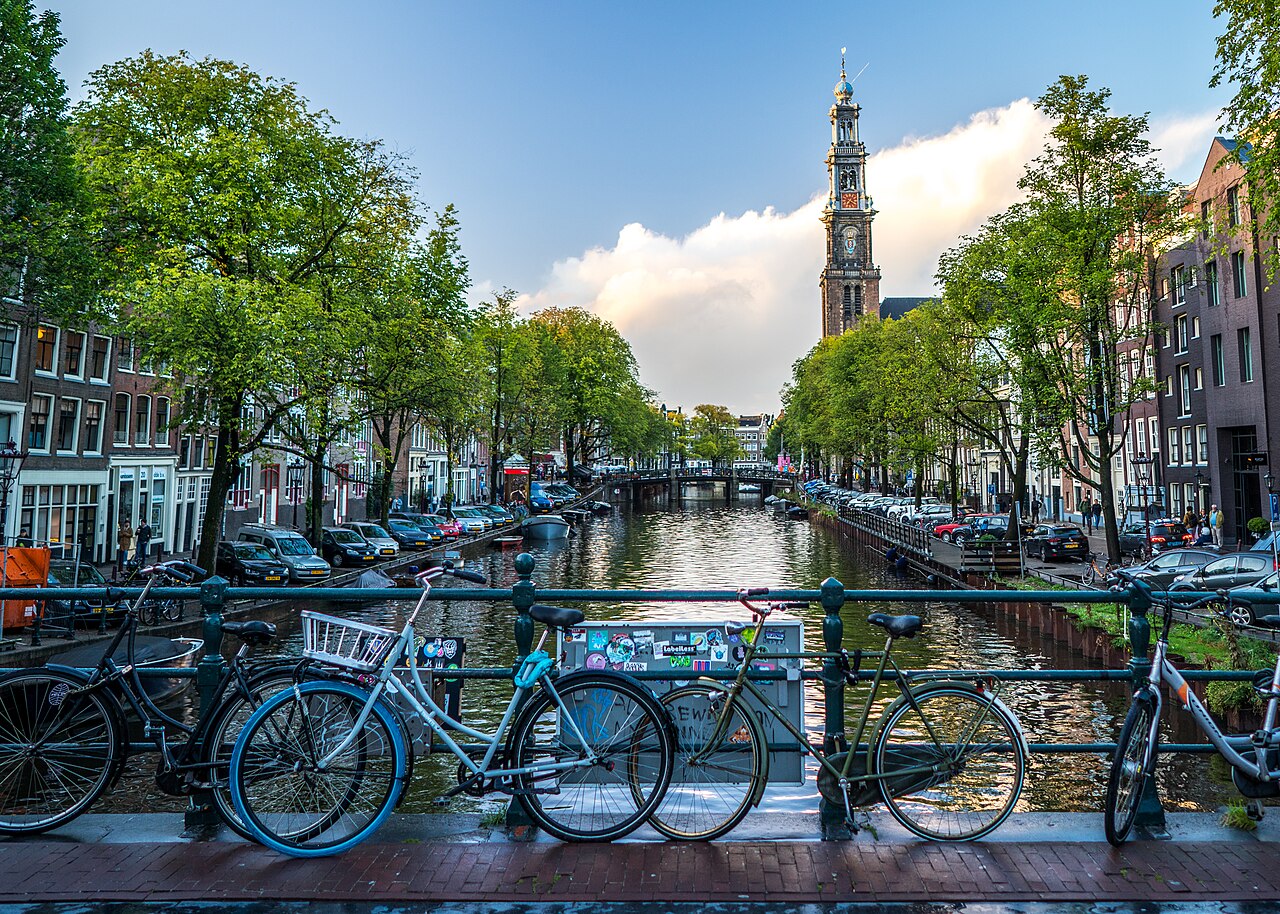
JAKARTAThe Netherlands leads the world in Numbeo's mid-2026 Quality of Life Index with a score of 205.6, edging out second-placed Luxembourg at 204.8. Across 89 nations assessed in the global dataset, Indonesia ranked 81st with an overall score of 90.4.
How does Numbeo measure its 2026 Quality of Life rankings?
Numbeo calculates overall quality of life across eight sub-indexes: purchasing power, safety, healthcare quality, cost of living, property price-to-income ratio, traffic commute time, pollution, and climate. The Netherlands stood out for strong public services, income equality, and high safety, while landlocked Luxembourg paired a purchasing power index of 159.2 with peaceful living conditions.
Third place went to Oman at 203.9, making the Gulf nation the highest-ranked Asian and Arab country on the back of a low cost of living and strong safety score of 81.7. Rounding out the global top ten are Denmark (203.9), Switzerland (203.2), Finland (201.5), Austria (198.1), Iceland (195.1), Germany (195.0), and Norway (193.5).

How does Indonesia compare with 2025 and ASEAN neighbors?
Indonesia's mid-2026 standing marks a one-spot rank improvement from 82nd in early 2026, yet its headline score slipped slightly from 91.1 to 90.4. Compared with mid-2025, when Indonesia stood 79th with a score of 101.6, both its numerical score and global rank have drifted lower over the past year.
Within Southeast Asia, Indonesia trails Singapore (42nd, score 147.9), Malaysia (52nd, 133.8), and Thailand (74th, 106.2), while ranking ahead of neighbors Vietnam (82nd, 89.4) and the Philippines (85th, 84.4). Underlying Numbeo metrics pinpoint Indonesia's steepest drags in purchasing power at 28.8 and urban pollution at 66.1.

What Urban Friction Means for Indonesian Residents
For Indonesian urban households and young professionals, the figures illustrate how relatively affordable living expenses—scoring 24.6 on Numbeo's cost index—are offset by daily city frictions. High commute-time strain (42.7), worsening air quality, and a property price-to-income ratio of 27.0 directly shape family wellbeing and disposable income.
Because Numbeo relies on crowd-sourced city prices and resident surveys, closing the gap with regional peers depends heavily on mass-transit expansion, cleaner urban air, and affordable housing supply. Improving those everyday fundamentals matters as much as headline wage growth for raising living standards across Indonesian cities.