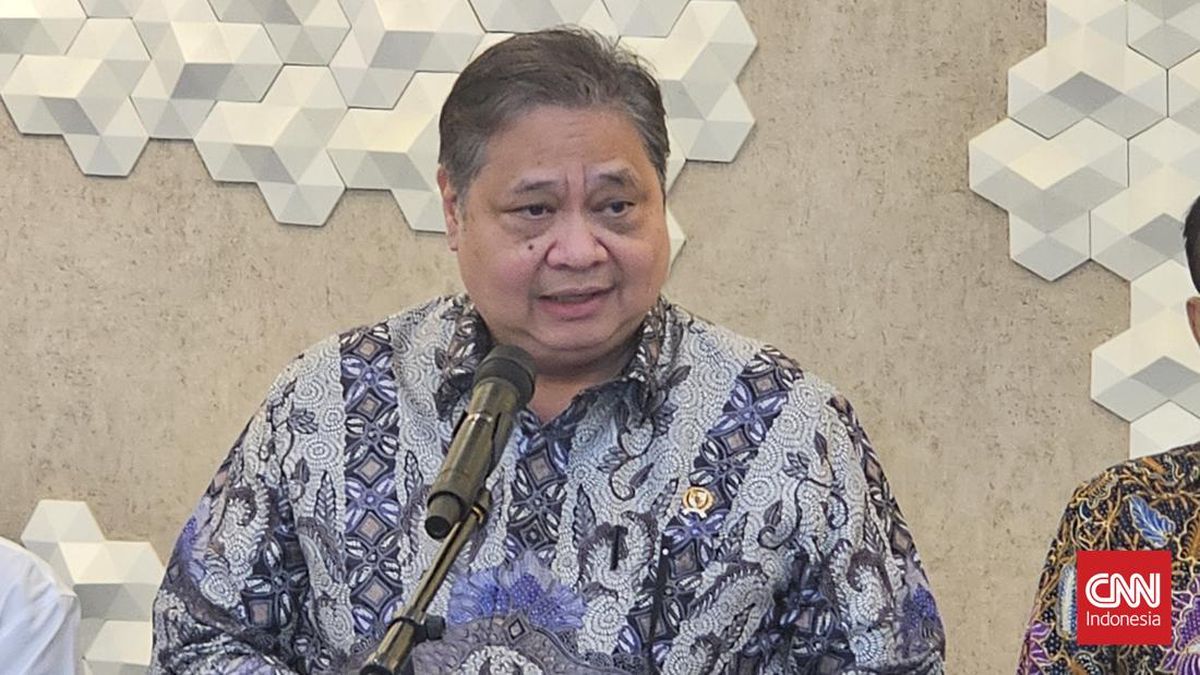
Indonesia is reviewing how it distributes energy subsidies after the OECD recommended a gradual phaseout of fuel subsidies beginning in 2027, Coordinating Economic Minister Airlangga Hartarto said. He also said subsidised fuel prices would not rise through the end of the year.
Speaking at a news conference in central Jakarta on Friday, November 27, Airlangga said the Organisation for Economic Co-operation and Development's recommendation had come to the president's attention. The government is conducting several studies to find ways to target energy support more effectively, he said, with the president's eventual policy decision to be announced later.
In its OECD Economic Surveys: Indonesia 2026, published on Thursday, November 26, the organisation called for broadly available fuel subsidies to be reduced gradually and replaced with more targeted cash assistance. It said the existing subsidies disproportionately benefit wealthier people and impede progress towards climate targets.
The OECD reported that the richest 20% of households received about 46% of total subsidies in 2019, while the bottom 40% received 18%. That distribution underpins its recommendation to change how assistance reaches Indonesian households.
The organisation also highlighted the cost to public finances, particularly when global energy prices are high. Indonesia's 2026 budget puts energy subsidies and compensation at an estimated 1.4% of gross domestic product, but the developing conflict in the Middle East could push the total close to 2%, according to the report.
The OECD said well-targeted cash support would require a comprehensive social database that is updated regularly, including through development of Indonesia's National Single Socioeconomic Database, known as DTSEN. The database could also help identify recipients of compensation for future tax reforms, including increases in indirect taxes.