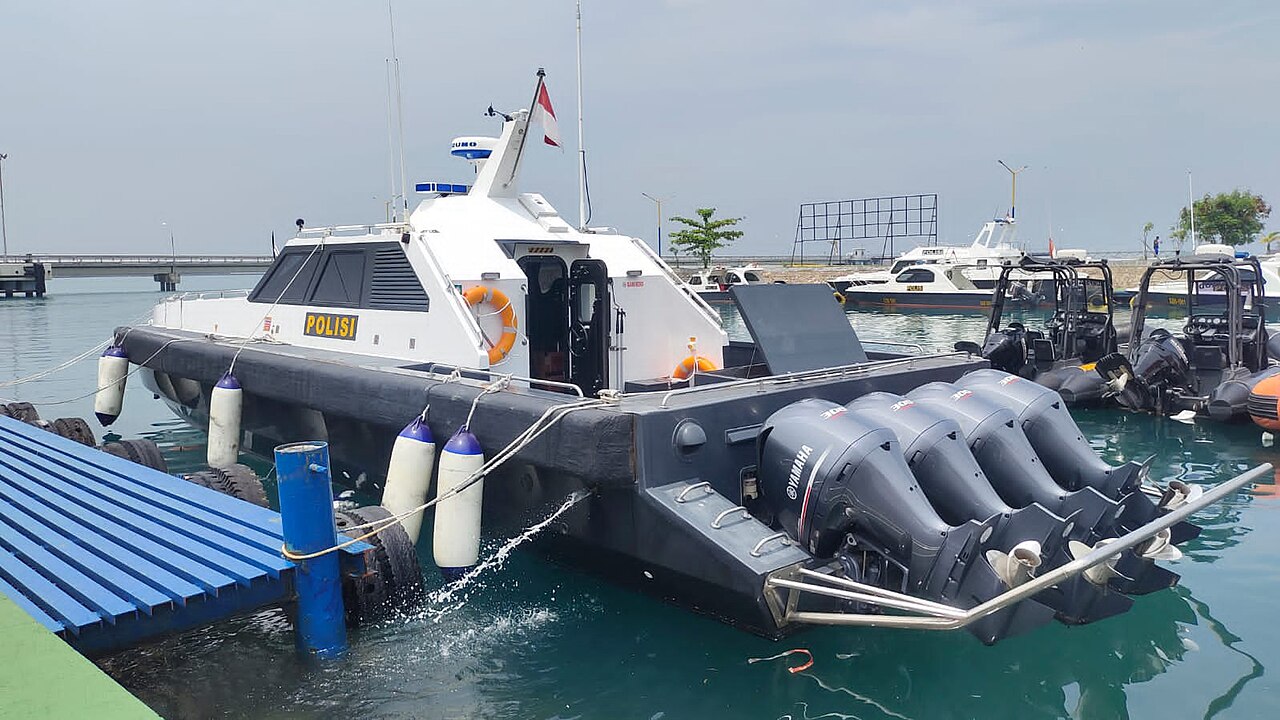
JAKARTAThe Indonesian National Police (Polri) has launched a comprehensive maritime security initiative titled Blue Policing, initiated by Police Chief General Suyudi Ario Seto to crack down on blast fishing, toxic chemical fishing, and illegal vessels threatening traditional fishermen. Senior Commissioner Pitoyo Agung Yuwono, who chairs the Blue Policing Program and heads Operations and Information Technology at the Water and Air Police Corps (Korpolairud Baharkam Polri), outlined the operational framework in Jakarta on November 21–22, 2026.
What are the 6 strategic pillars of Polri's Blue Policing?
Polri's Blue Policing strategy rests on six integrated pillars: security disturbance prevention (Blue Prevention), coastal community partnership (Blue Community), early maritime threat detection (Blue Intelligence), measured criminal enforcement (Blue Law Enforcement), marine ecosystem preservation (Blue Environment), and socioeconomic outcome evaluation (Blue Impact). Pitoyo emphasized that the six pillars connect maritime policing directly to coastal livelihoods and Indonesia's national food security.
Under its enforcement mandate, Korpolairud directs risk-based sea patrols and intelligence monitoring against illegal, unreported, and unregulated (IUU) fishing across vulnerable Indonesian waters. Officers are instructed to pursue perpetrators using fish bombs and chemical poisons that destroy coral spawning grounds, distort access to fish stocks, and ignite fishing-zone conflicts between unauthorized vessels and small-scale local crews.
How do coastal fishermen and customary law support patrols?
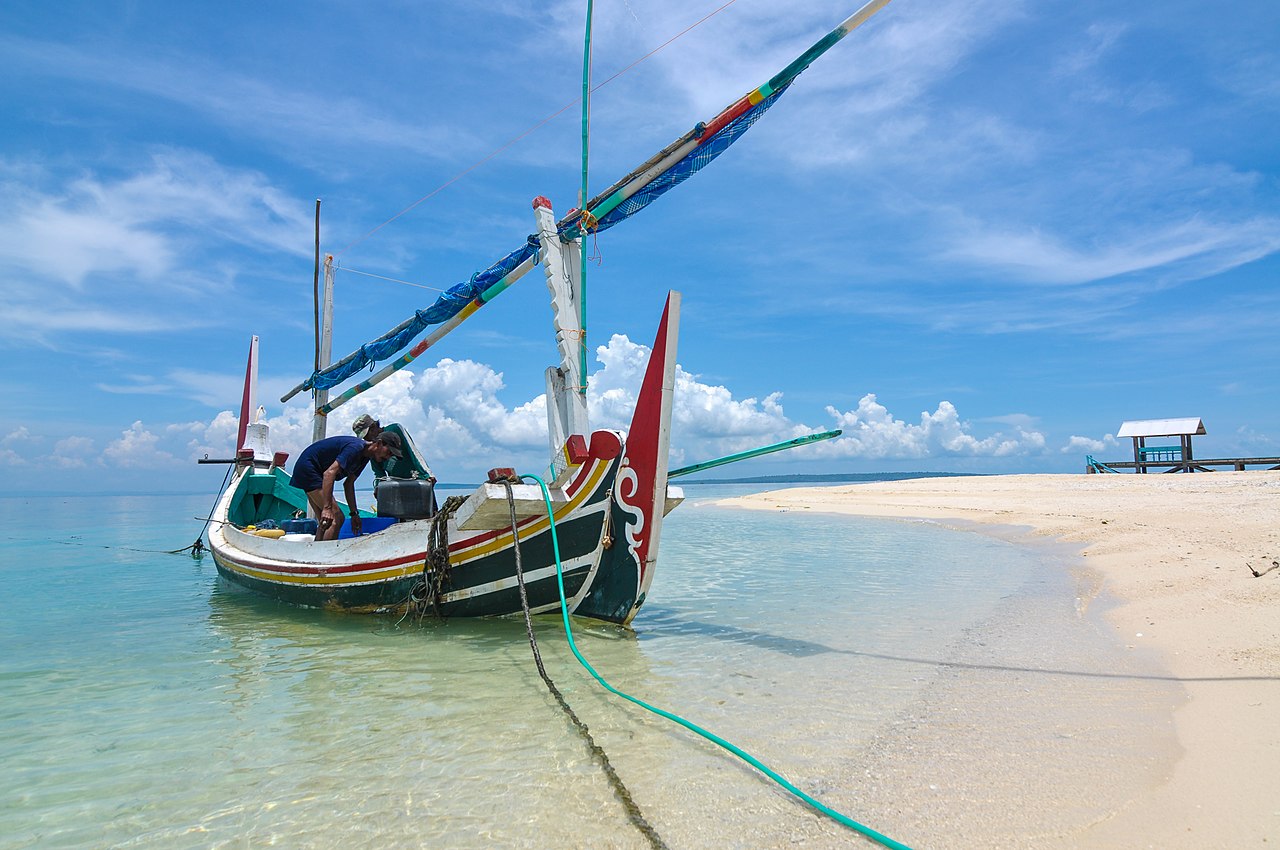
Through the Blue Community pillar, Polri engages traditional fishermen, regional governments, and coastal associations as frontline partners capable of spotting suspicious activities in their home fishing grounds. The program also incorporates Indonesia's longstanding maritime customary laws—including Awig-awig, Sasi, and Aceh's Panglima Laot institutions—into participatory dialogue forums designed to resolve coastal security disputes early.

Beyond destructive fishing offenses, Korpolairud is tightening oversight over subsidized fuel distribution for small-scale fishermen to prevent diversion and ensure operational fuel reaches eligible boats according to regulations. Maritime patrols are simultaneously expanding safety campaigns along community shipping lanes, educating crews on life-jacket usage and essential navigation equipment.
Protecting subsidized fisherman fuel and marine livelihoods
For Indonesia's coastal economy, Polri measures the success of Blue Policing not merely by patrol tallies or arrest counts, but by tangible reductions in sea crime, safer voyages, and sustainable fish stocks for traditional fishing families. Previously, AIGOS News reported a joint Polri and Customs sea interception that seized 56 kilograms of methamphetamine smuggled on a fishing boat off North Sumatra, alongside recent leadership consolidations ordered by General Suyudi Ario Seto.