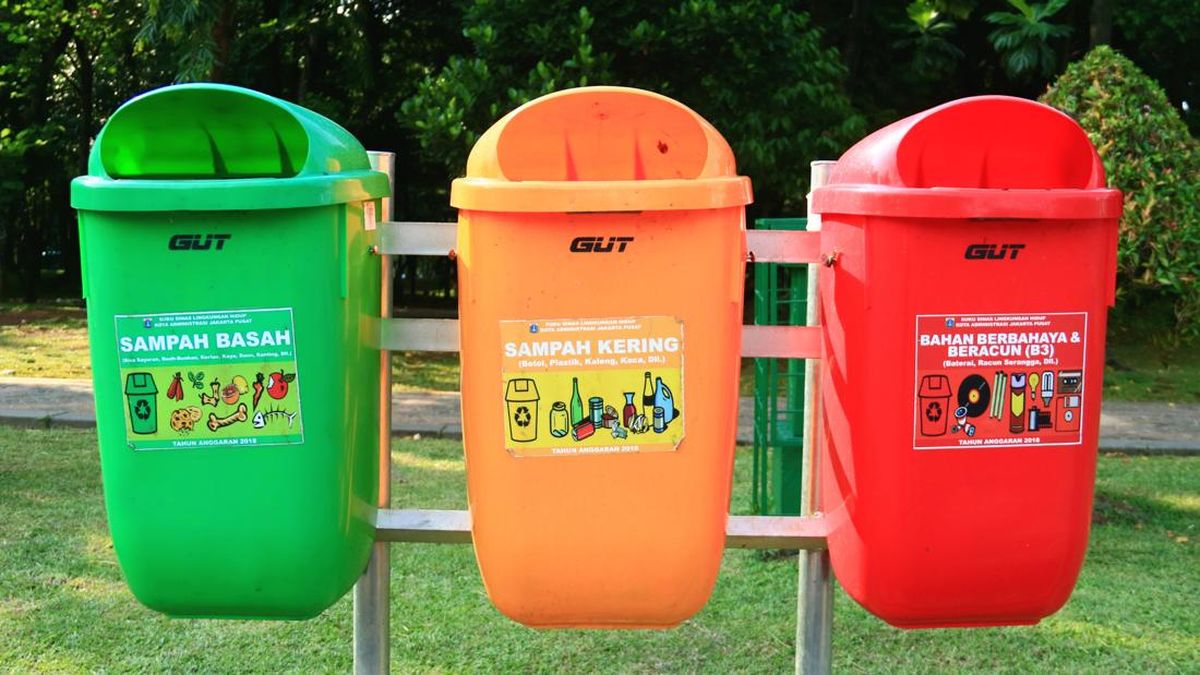
Tourists in Seoul say public rubbish bins are difficult to find in some of the city's most popular districts, leaving visitors carrying coffee cups and food wrappers for up to an hour while they look for somewhere to throw them away.
Lena, a tourist from Germany, spent nearly an hour searching for a bin for a food skewer in Myeongdong, one of the South Korean capital's busiest shopping areas. A shop refused when she asked it to take the rubbish. The area reportedly has no public bin along a 500-metre stretch of road.
Minh Minh, a visitor from Ho Chi Minh City in Vietnam, said she had carried an empty drink cup for more than 30 minutes until her group reached another attraction with a bin. She said public bins were scarce despite the many food stalls in the area. Shortages have also been reported in Hongdae, Bukchon and Seongsu.
Seoul had 7,142 roadside bins as of September 2026, according to The Korea Herald, but their distribution varied substantially across the city's 25 districts. Gangnam had the most, with 992, while Jung-gu, which includes Myeongdong, had 146.
The shortage has its roots in a waste management policy introduced in Korea in 1995. Residents were required to buy rubbish bags and pay for household waste disposal according to volume. Some began using public bins to dispose of household rubbish without paying, causing them to overflow. The government responded by reducing the number of public bins from 7,607 in 1995 to 3,707 in 2007.
Seoul has added public bins in recent years, but residents and small business owners have opposed the effort for reasons that are not clear. The complaints come as tourism to South Korea grows: the country had welcomed more than 20 million foreign visitors by 12 November 2026.