PALEMBANGMonitoring data from Indonesia's SiPongi system released by the South Sumatra Disaster Mitigation Agency (BPBD) showed forest and land fire hotspots rebounding to 41 on Saturday, November 21, 2026, one week after aerial firefighting ended. BPBD South Sumatra emergency handling chief Sudirman confirmed on Sunday that Ogan Komering Ilir (OKI) Regency recorded the highest concentration with 17 hotspots.
Where were the 41 South Sumatra hotspots detected?
The 41 hotspots were detected across eight regencies and cities, concentrated mainly in eastern and central parts of the province. Beyond OKI's 17 detections, satellites recorded 8 hotspots in Muara Enim, 5 in Ogan Ilir, 4 in Penukal Abab Lematang Ilir (PALI), 3 in Musi Banyuasin, 2 in Lahat, and 1 each in Banyuasin and Prabumulih. Sudirman noted that the geographic spread narrowed from ten regencies and cities a day earlier even as total detections climbed sharply.
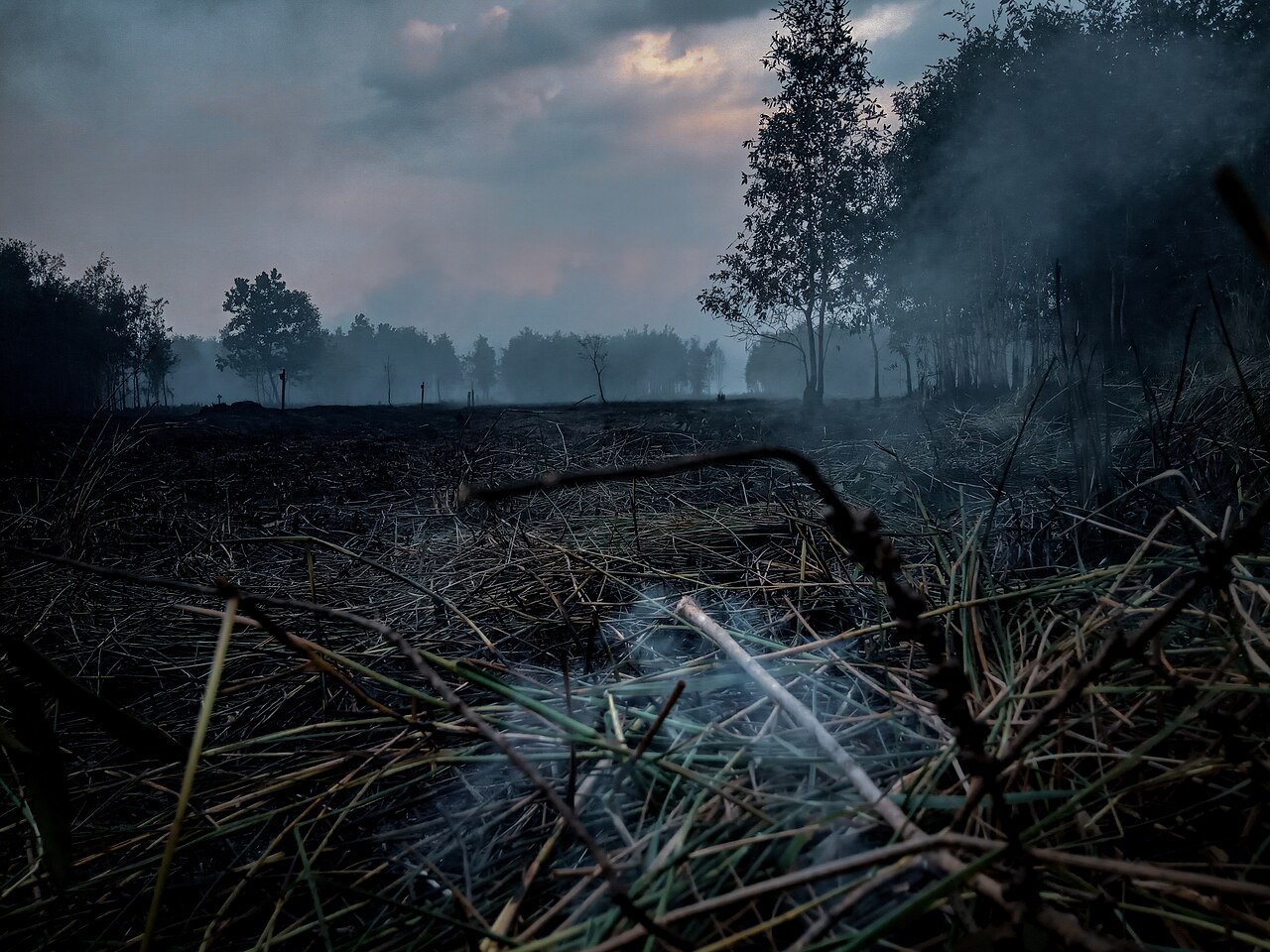
Alongside satellite alerts, field teams logged three active wildfire incidents across two regencies during the same period. Responders documented two fires in OKI and one in Ogan Ilir affecting an estimated total of four hectares of land. Ground firefighting crews moved into both districts and successfully extinguished the blazes before flames spread to adjacent areas.
Why did hotspots rebound after BNPB helicopters withdrew?
Hotspots re-emerged as land remained vulnerable to drying between early seasonal showers, just one week after aerial operations formally concluded on November 14, 2026. BPBD South Sumatra had previously withdrawn all National Disaster Mitigation Agency (BNPB) aircraft—comprising five water-bombing helicopters and two air-patrol helicopters—after rainfall began soaking fire-prone zones and reducing immediate aerial demand.

Although helicopter support has stood down, Sudirman stated that ground task force personnel remain on alert until South Sumatra's smoke and wildfire emergency status expires on November 30, 2026. Disaster authorities in Palembang are simultaneously preparing mitigation measures for seasonal hydrometeorological hazards, particularly floods and landslides as heavier rain approaches.
What does the late-November hotspot uptick mean for residents?
The late-November uptick underscores that localized haze and peat-drying risks persist until the emergency window officially closes. For residents across OKI, Muara Enim, and Ogan Ilir, rapid ground response remains essential to protect respiratory health, rural livelihoods, and visibility along Sumatra's overland transport corridors.