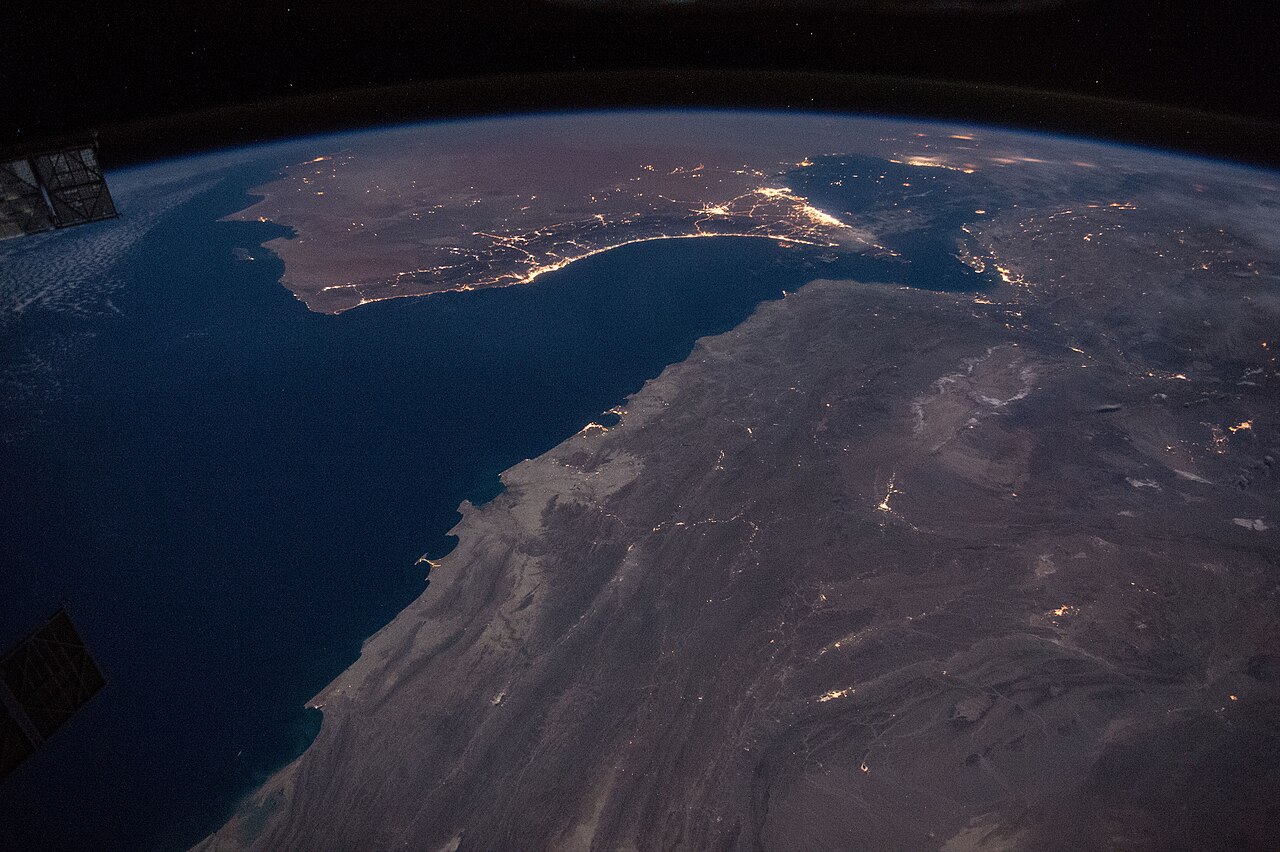
DOHAThree oil tankers caught fire after striking naval mines in the Strait of Hormuz late Monday, November 23, 2026, according to Iran's Islamic Revolutionary Guard Corps Navy. The blasts deepen shipping risks along one of the world's busiest oil and liquefied natural gas corridors while diplomatic efforts between Washington and Tehran remain stalled.
How did the Strait of Hormuz mine blasts unfold?
Iran's IRGC Navy said two of the tankers hit mines in the eastern section of the strait, triggering explosions and fires aboard all three vessels. Tehran declared the waterway closed on July 12 after the United States resumed military strikes, arguing that US air cover failed to prevent the latest blasts and warning ships against using unauthorized routes.
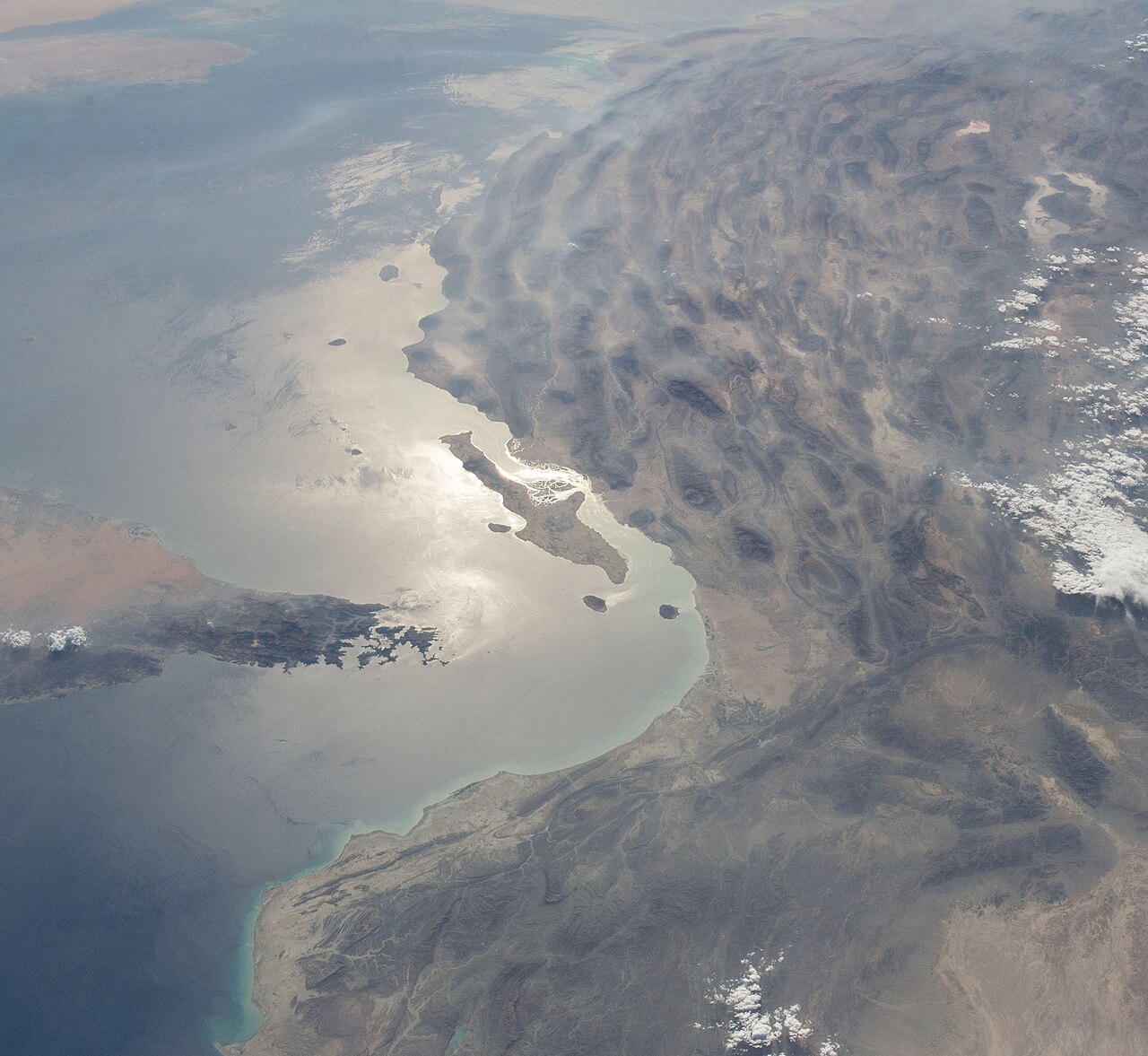
Maritime tensions have surged since the US and Israel launched war against Iran on February 28 and a June 18 memorandum stalled over freedom of navigation. Maritime monitor UKMTO recorded more than 30 incidents around Hormuz in October and at least 22 through the third week of November, alongside Houthi missile and drone attacks on Riyadh and the Petrol Rabigh refinery.
What did Qatar's prime minister discuss in Washington?
Qatar's Prime Minister Sheikh Mohammed bin Abdulrahman Al Thani met US Vice President JD Vance at the White House and Secretary of State Marco Rubio on Monday to revive peace talks. Speaking to Al Jazeera, Al Thani warned the Middle East cannot afford another US-Iran escalation after Iranian strikes earlier damaged Qatar's energy infrastructure while the Hormuz blockade strained its economy.

Diplomatic uncertainty remains acute despite Trump telling reporters he wants a real deal rather than a fake deal as the US Treasury sanctioned an Iranian shadow banking network. In Tehran, Parliament Speaker Mohammad Bagher Ghalibaf cited Supreme Leader Mojtaba Khamenei saying the no-war, no-peace standoff must be resolved, while Foreign Minister Abbas Araghchi froze nuclear talks until Washington lifts its blockade.
How Oil Supply Offsets Threat and Affects Indonesia's Fuel
For Indonesia, abundant physical oil supply is currently cushioning domestic fuel costs and currency pressure despite fierce Hormuz risks. Gulf shipments from the UAE and Saudi Arabia averaged 17.1 million barrels per day and the IEA forecasts a fourth-quarter surplus of 1.7 million barrels daily ahead of OPEC+ talks on November 29. After Indonesia's ICP crude benchmark reached $117.24 per barrel in October, Jakarta pump prices held steady on November 23 at Rp15,950 per liter for Pertamax and Rp10,000 for Pertalite before the December 1 review, while the rupiah traded at Rp18,199 per dollar Tuesday morning.