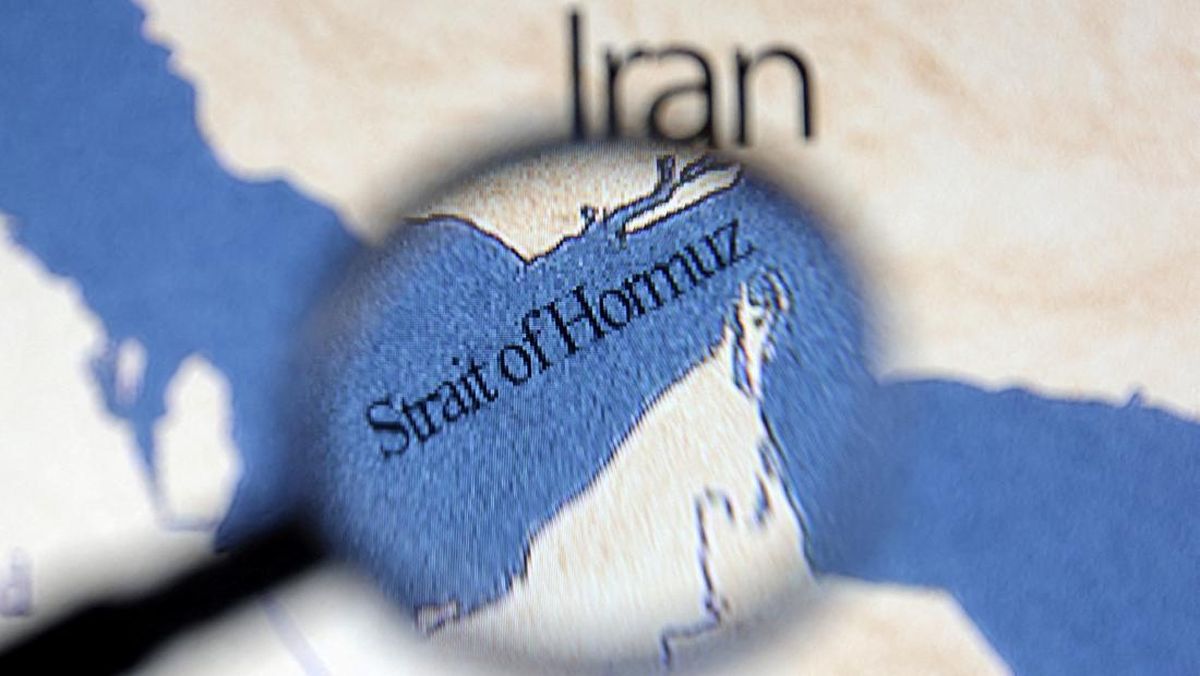
Middle Eastern countries are seeking alternative routes for energy exports after the war by the United States and Israel against Iran undermined confidence in the Strait of Hormuz. The International Energy Agency estimates that pipelines to bypass the strategic waterway would cost about $40 billion.
IEA executive director Fatih Birol warned that disruption in the strait could recur even though the conflict had eased. Writing in The Economist on November 18, he said he saw no credible way back to the conditions that prevailed in February 2026. An earlier blockage of shipping flows had severely disrupted oil and gas markets, he said.
In its World Energy Outlook published on November 19, the IEA estimated that investment in alternative pipelines would add about $2 to the cost of each barrel of oil exported from the Middle East. It also estimated that a further $200 billion would be needed to develop alternative energy sources outside the region.
Oil pipeline projects under construction or consideration in the Middle East could carry about seven million barrels a day to international markets without crossing Hormuz, the agency said. Under one scenario, oil shipments needed through the strait could fall to two million barrels a day by 2035. That would require all the alternative pipeline projects to be completed, producers outside the Gulf to increase output and importing countries to reduce demand.
Saudi Arabia plans to expand its East-West Pipeline to the Red Sea port of Yanbu, while the United Arab Emirates is accelerating pipeline construction. The United States is also reported to be trying to revive plans for a pipeline linking Iraq and Syria. During the week covered by the report, Iraq resumed pumping crude for export through the Kirkuk Ceyhan pipeline to Turkey.
The IEA cautioned that alternative pipelines are not immune to attack. Saudi Arabia's East-West Pipeline has previously been targeted by the Houthis and militias in Iraq. Instability across the Middle East could still threaten other routes used to move Gulf energy exports, the agency said.