WASHINGTONUS President Donald Trump said on Friday, November 20, 2026, that Iran wanted an agreement but had not offered terms he would accept. The comments came as regional mediators continued to seek a way to end the US–Iran conflict, according to the Associated Press.
Axios: US envoys met Qatari mediators in Berlin on November 19.
What do Qatar and Germany say?
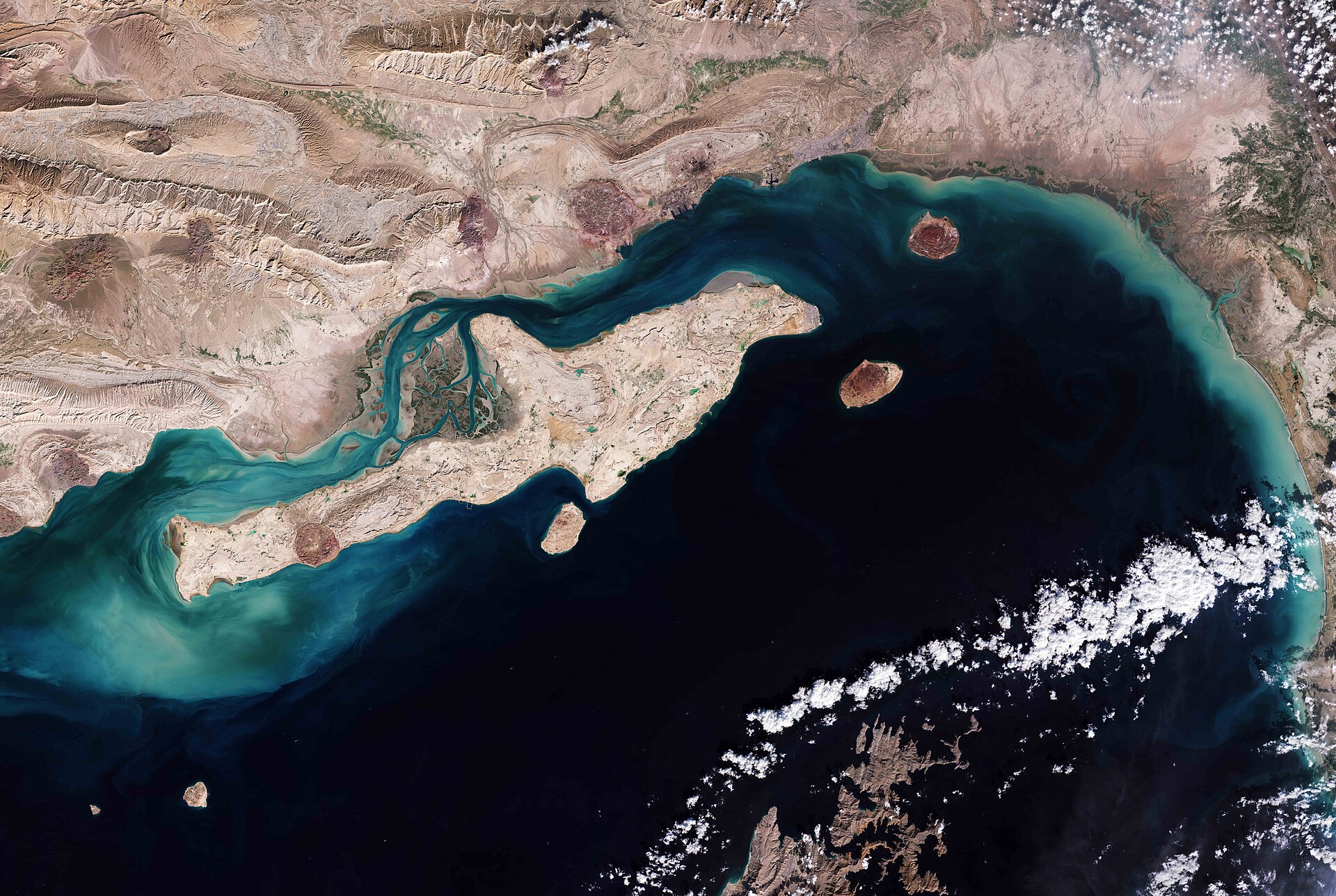
In a joint declaration dated November 20, Germany and Qatar called for free and safe maritime trade routes. They condemned Iranian attacks on Qatar, regional countries and merchant vessels, and rejected actions that close or obstruct navigation in the Strait of Hormuz. Those are the two governments’ positions in the document.
The countries also called on Iran to meet its obligations under the Nuclear Non-Proliferation Treaty and its safeguards agreement with the International Atomic Energy Agency, and to cooperate with the agency. The declaration did not announce a new agreement between Washington and Tehran.
What are the diplomatic obstacles?
Earlier, a senior Iranian official told Reuters on November 5 that Tehran had submitted a nuclear proposal to the United States through Qatar. The official said discussions would begin only after a number of Iranian demands had been met. Reuters reported that the sequencing of steps and nuclear issues remained part of the diplomatic difficulty.
Separately, AP cited a Middle Eastern diplomat saying Gulf states were seeking a solution that could reopen shipping routes in exchange for limited sanctions relief while allowing broader nuclear negotiations to resume. The diplomat spoke anonymously because of the sensitivity of the talks; the idea has not been announced as an agreement.
The Strait of Hormuz is an important route for international energy trade. Uncertainty over shipping and diplomacy therefore matters beyond the region, including for energy-importing countries. These developments do not establish when or whether the parties will reach a settlement.