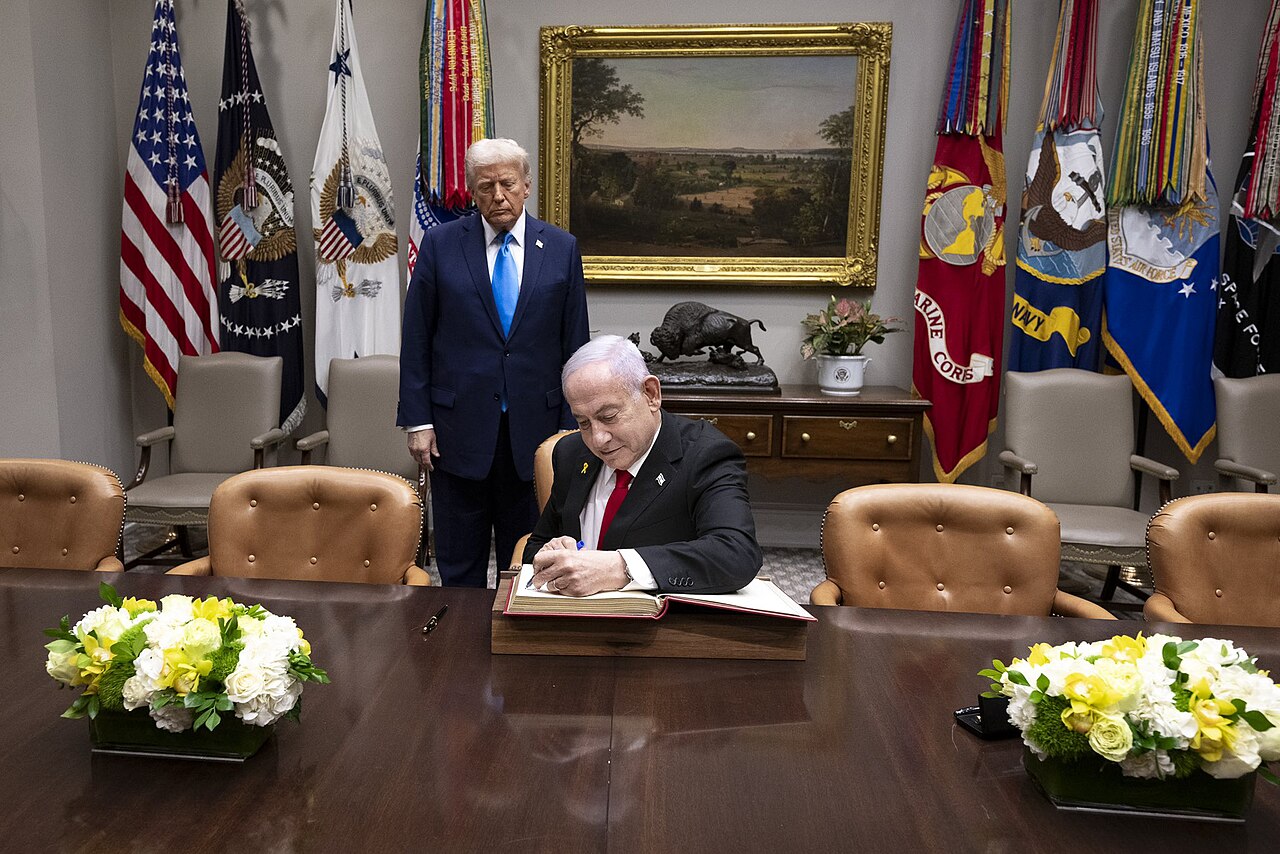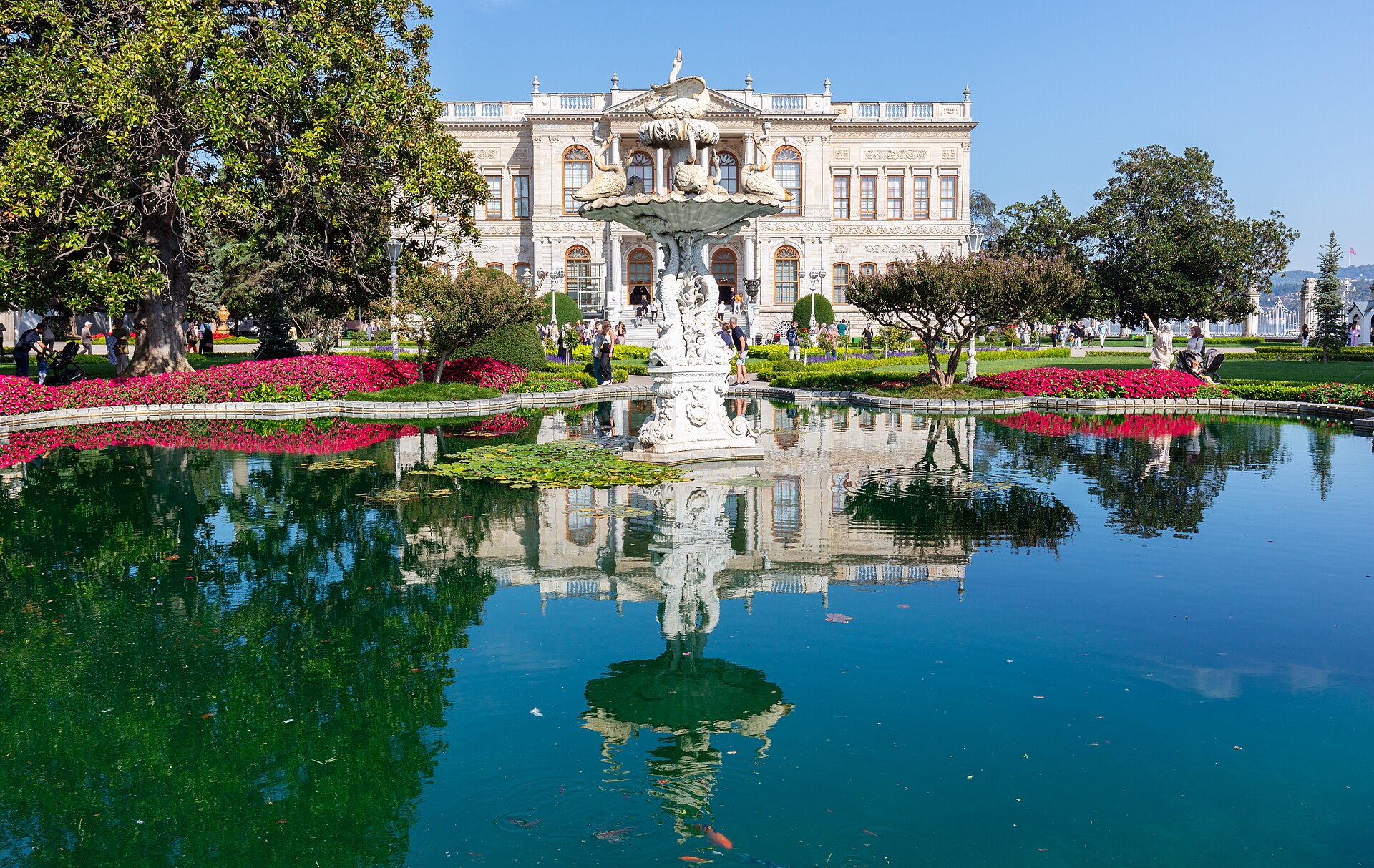
ISTANBULTurkey and Qatar have formalized a 10-year Mutual Defence Agreement in Istanbul to bolster Gulf deterrence as the Iran war fuels anxiety over missile and drone strikes on energy hubs. Signed on November 13, 2026, at Dolmabahce Palace by Turkish President Recep Tayyip Erdogan and Qatari Emir Sheikh Tamim bin Hamad Al Thani, the accord headlined the 12th Turkey-Qatar High Strategic Committee alongside four pacts covering LNG trade, diplomacy, and humanitarian relief.
How does the Turkey-Qatar defense pact actually work?
Under the agreement, renewable in five-year terms after its first decade, Ankara and Doha pledge mutual defense against external armed attacks—yet troop deployment is not automatic. Turkey's Defense Ministry clarified on November 19 that military assistance requires a formal request from the targeted nation, approval by the joint High Strategic Council of foreign and defense ministers, and compliance with self-defense rules under Article 51 of the UN Charter.
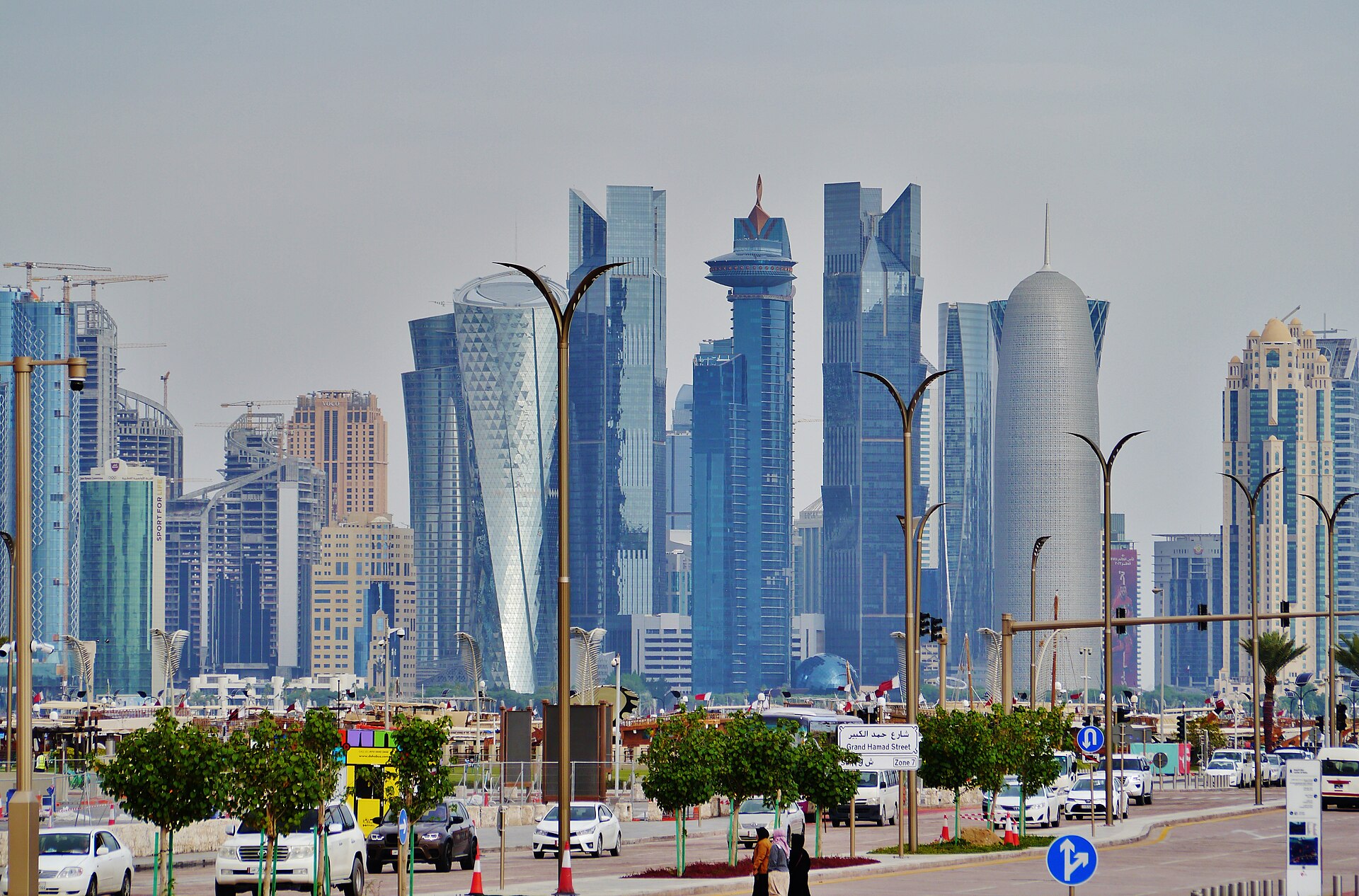
Both governments also committed to regular threat consultations, joint military exercises, defense-industry projects, and deeper liquefied natural gas partnerships. During the Istanbul summit, Erdogan and Sheikh Tamim reviewed the Iran conflict, Syria, and Libya while pressing Israel for unimpeded Gaza aid access after winter flash floods and condemning settlement activity in the West Bank.
U.S. Al Udeid presence and the Mecca defense pact
Analysts say the pact reflects shifting Gulf risk calculations, building on Turkish troop deployments in Doha since 2017. Security commentator Yusuf Alabarda told Al Jazeera that regional anxieties over the Iran war could hasten Turkish air-defense deployments to Qatar. The deal follows August's Mecca Joint Defence Agreement linking Turkey, Saudi Arabia, and Pakistan—ratified by Ankara's parliament in November as Riyadh faces Houthi attacks.

Even so, Washington retains major military leverage that Ankara cannot swiftly match. Qatar hosts roughly 10,000 U.S. troops at Al Udeid Air Base and holds security backing under Executive Order 14353, signed by President Donald Trump in September 2025. Senior Al Jazeera Centre researcher Abdullah Al Emadi noted Doha is diversifying security partnerships rather than replacing U.S. surveillance, command, and missile defense.
Why does Gulf stability matter for Indonesia's energy?
For Indonesia, Gulf stability carries direct strategic and fiscal stakes. In October 2026, Deputy Defense Minister Yusuf Jauhari joined Turkey, Qatar, and Pakistan in Doha to sign the Badr Memorandum for joint arms production—an industrial partnership without combat obligations, consistent with President Prabowo Subianto's October 21 pledge against joining military blocs. Economically, secure Qatari LNG flows help contain energy volatility as Brent sits at $92.57 a barrel, the rupiah opens at Rp18,280 per dollar, and Jakarta bridges Pertalite's Rp18,102 economic cost against its Rp10,000 pump price.