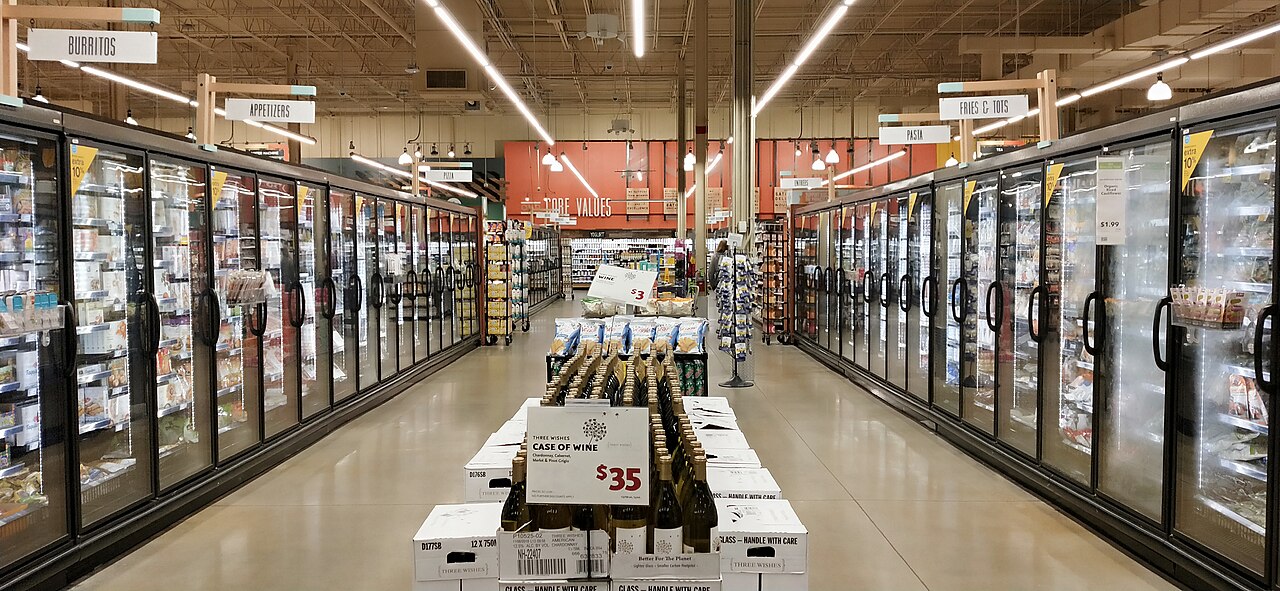
LONDONBritish cybersecurity officials and major food retailers carried out a covert emergency operation to protect tens of thousands of commercial fridges and freezers across supermarkets, warehouses, restaurants, petrol stations, and stadiums from hackers, The Guardian and DetikINET reported between November 20 and 22, 2026. News outlets withheld details until chains isolated vulnerable internet-linked controllers to avoid alerting attackers.
How was the RDM refrigeration controller flaw uncovered?
The flaw was uncovered in late October 2026 by Neil McCourt of refrigeration consultancy Omega Solutions in data managers built by British firm Resource Data Management (RDM), and verified by cybersecurity firm Pen Test Partners. Omega director Garry Turner-Smith and Pen Test Partners managing partner Ken Munro warned that weak authentication on RDM devices resembled vulnerabilities exploited on Danfoss units across Europe. After Munro briefed National Cyber Security Centre (NCSC) officials at a retail cyber event, NCSC convened emergency briefings with the Department for Environment, Food and Rural Affairs (Defra) and the Food Standards Agency (FSA).
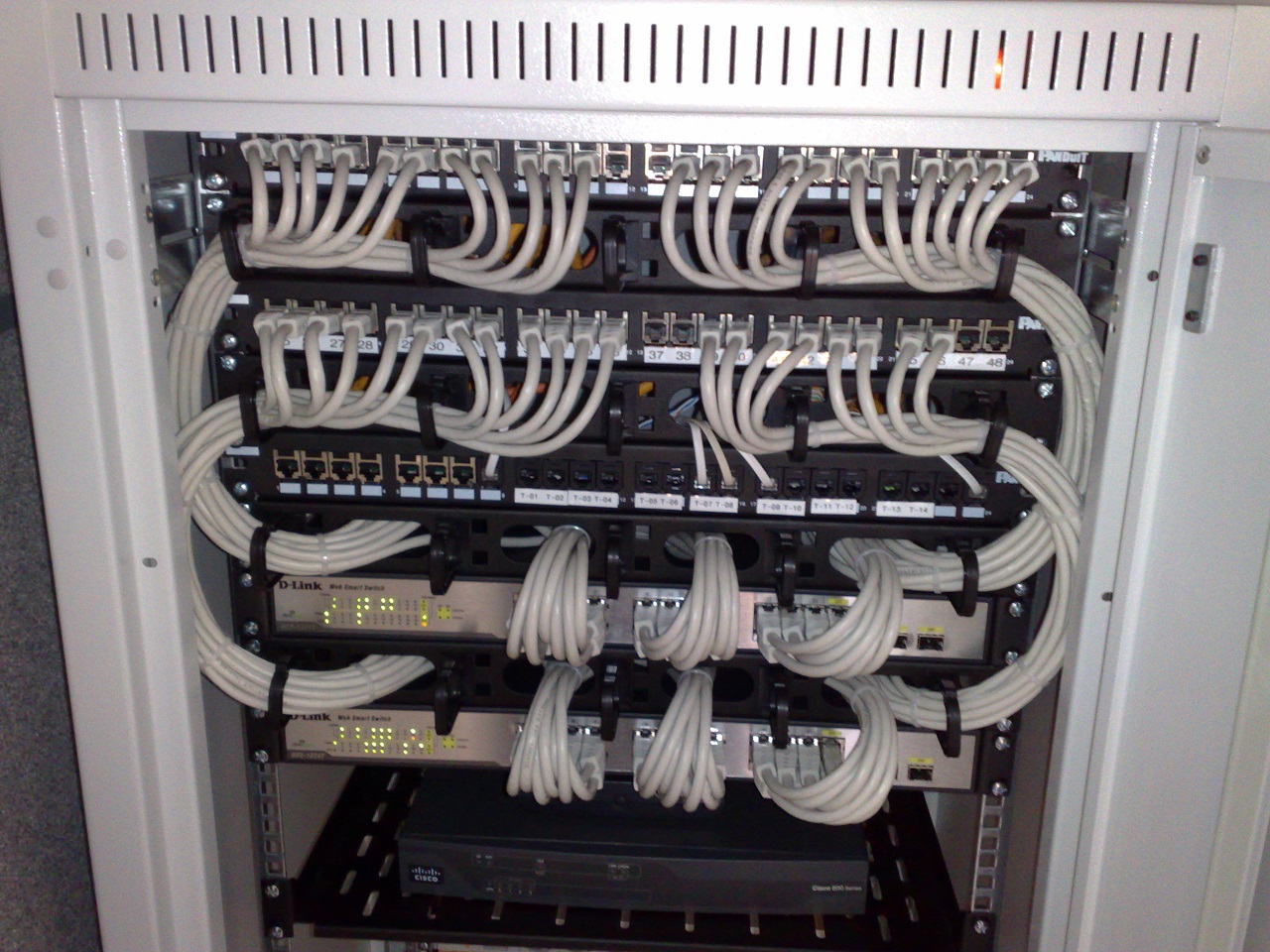
The intervention followed cyberattacks hitting supermarket chains across at least seven European countries in November and hundreds of stores in France in October, spoiling tonnes of food worth millions of euros. Paris publicly blamed Iran for the French disruption—an accusation Tehran denied—while the Pentagon is investigating suspected fridge hacks at six US military bases in August. Across Britain, retail IT teams worked round the clock disconnecting thousands of RDM controllers remotely or physically unplugging network cables and reverting to manual temperature checks.
Why do exposed IoT cooling systems threaten food supply chains?
Operational technology (OT) and Internet of Things (IoT) controllers present outsized supply-chain risk because a single data manager governs dozens of cooling units across a facility. While Pen Test Partners withheld technical exploit steps, Munro warned the method could be recreated rapidly once discovered and noted thousands of controllers at smaller stores remain exposed to the open internet.

RDM chief executive Ged Evans argued the researchers' test went beyond standard assessments by dismantling physical hardware, contesting direct comparisons with continental European incidents. Even so, RDM released a security firmware update, contacted customers proactively, and worked alongside the NCSC, which confirmed no suspicious activity had been detected on client systems.
What does this IoT warning mean for Indonesia's BSSN and cold chain?
Why it matters for Indonesia: the UK cold-chain alert carries direct lessons for Indonesian supermarket chains, food cold-storage depots, and hospital pharmacy networks connecting OT cooling systems online. Domestic cyber traffic is already elevated, with BSSN spokesperson Dr. Prabaswari telling Koran Jakarta on November 10, 2026, that financial incident-response teams (TTIS) remain on alert after FortiGuard Labs logged 1.6 million cyberattack attempts against Indonesian networks in 24 hours on November 9, spanning 761,000 financial, 386,000 technology, and 121,000 government targets.