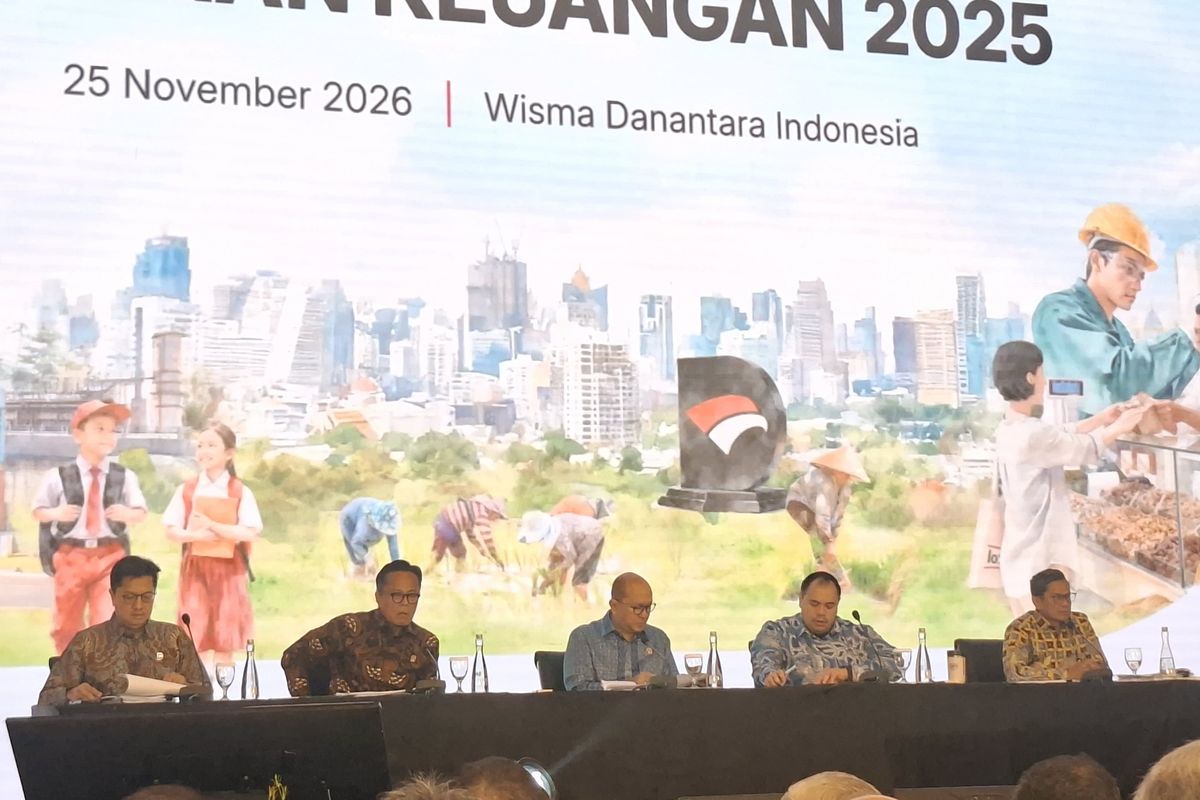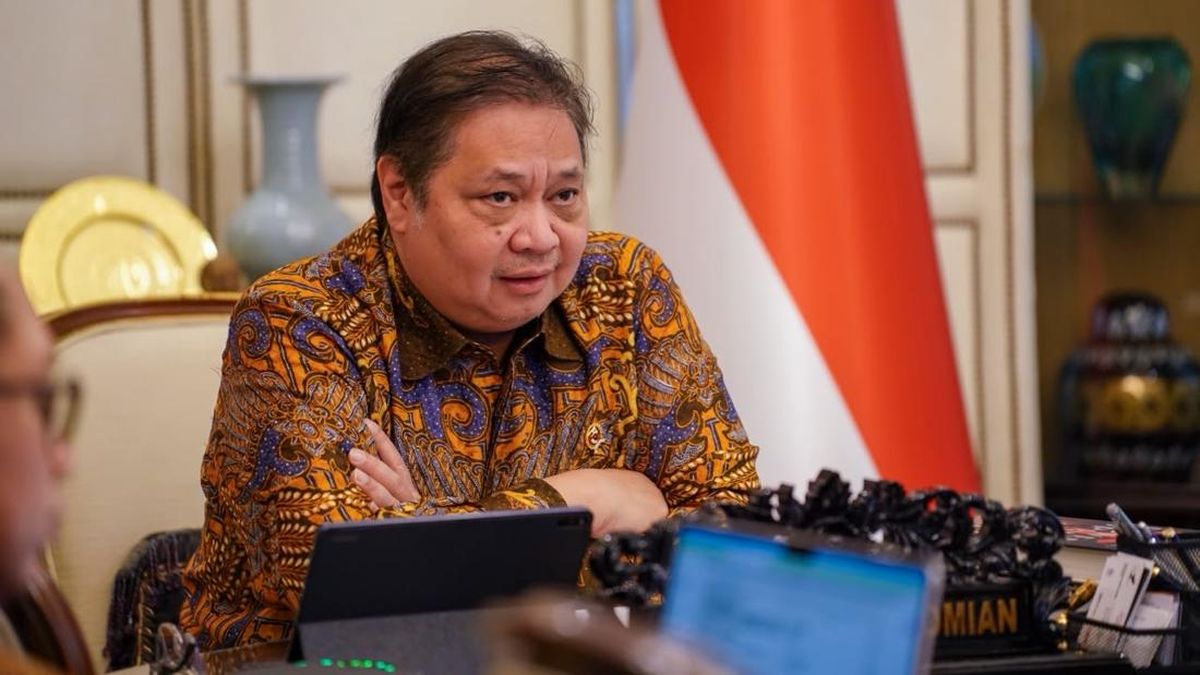
JAKARTACoordinating Economic Affairs Minister Airlangga Hartarto assured Indonesian exporters on Wednesday (25/11/2026) that Indonesia's trade standing remains protected despite reports that the United States plans to unveil new import tariffs on 16 major trading partners. Speaking at his ministry in Central Jakarta, he stressed that Jakarta's existing bilateral framework shields domestic shipments.
Why does Indonesia say it is shielded from new US duties?
Airlangga pointed out that Indonesia has already signed an Agreement on Reciprocal Trade (ART) with Washington, keeping bilateral terms aligned with the upcoming Office of the US Trade Representative (USTR) findings. As a result, he maintained that Indonesia will not face an added tariff surcharge.
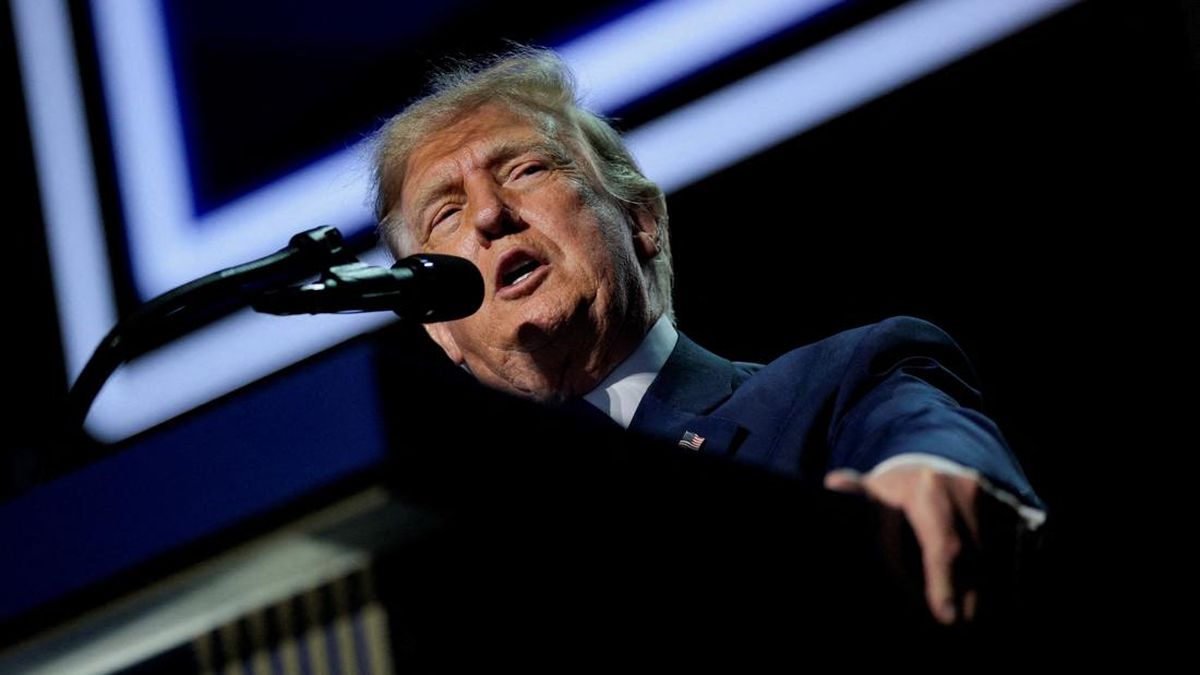
He explained that the USTR's excess industrial capacity probe under Section 301 of the Trade Act of 1974 serves as a legal replacement mechanism. President Donald Trump's administration launched the inquiry in March 2026 after the US Supreme Court invalidated earlier sweeping global tariffs in February 2026, leaving Indonesia's effective rate unchanged.
Which 16 trading partners face the Section 301 excess capacity probe?
According to Reuters reports cited by Detik Finance and Kontan, the 16 economies under Section 301 scrutiny include China, the European Union, India, Japan, South Korea, Mexico, Vietnam, Taiwan, Thailand, Malaysia, Indonesia, Switzerland, Norway, Singapore, Bangladesh, and Cambodia. The final report and proposed duties could be released as early as this week.
Earlier in July 2026, Washington imposed 10% to 12.5% tariffs across 60 trading partners in a separate forced-labor enforcement inquiry while accusing China of flooding global markets in steel, aluminum, electric vehicles, and solar panels. Ahead of a temporary US-China truce expiring on January 10, 2027, Beijing on Tuesday (24/11/2026) extended its suspension of export bans on gallium, germanium, and antimony until January 27, 2027.

What the US tariff shift and China mineral truce mean for Indonesia
For Indonesian footwear, textile, furniture, and electronics manufacturers reliant on US buyers, confirmation of stable tariff treatment preserves contract predictability entering 2027. Still, domestic trade analysts and regulators must monitor whether heavier US duties on rivals such as China redirect surplus industrial goods into Southeast Asian markets.