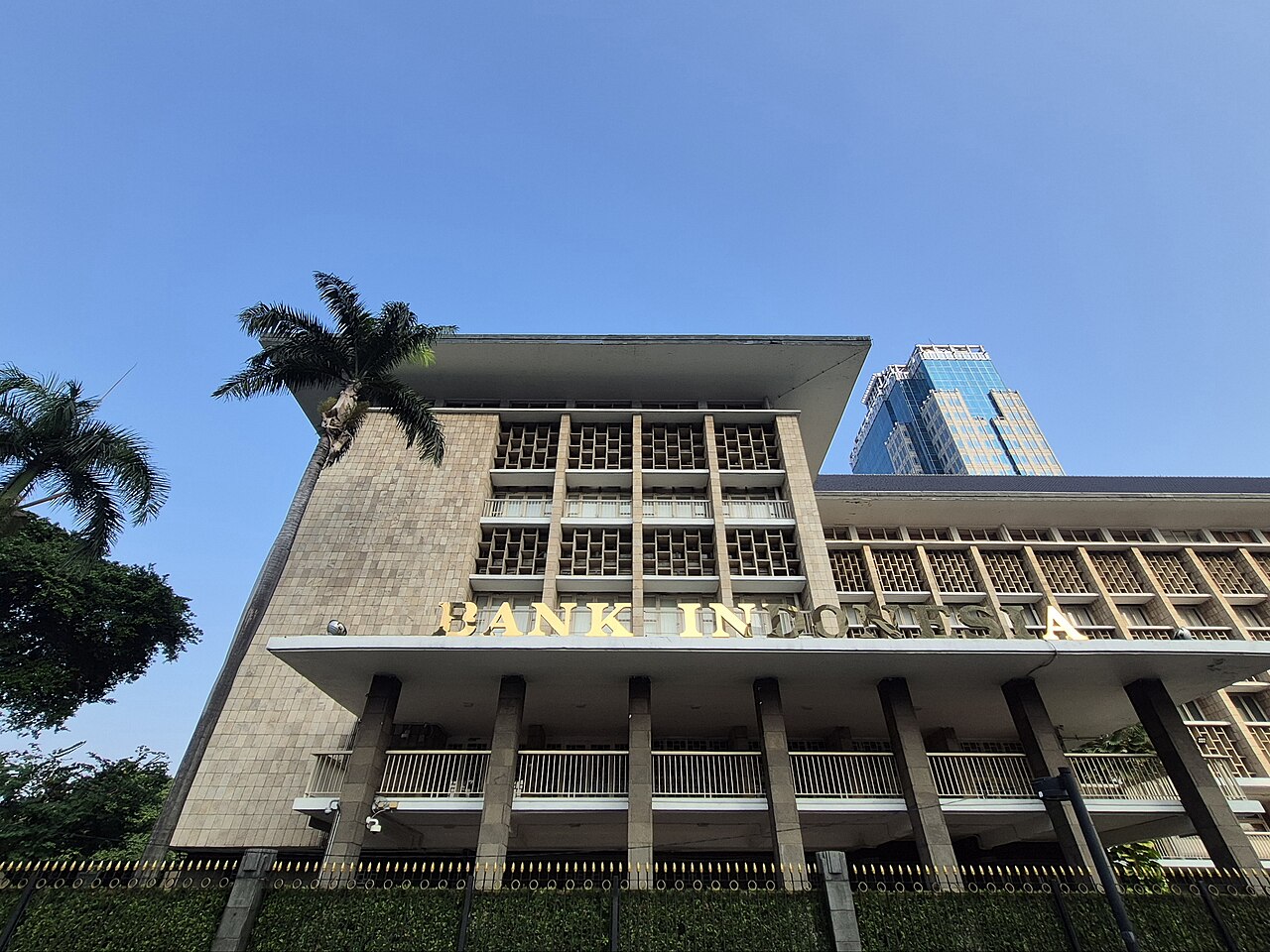
JAKARTABank Indonesia (BI) reported on Monday (Nov 23, 2026) that Indonesia's broad money supply, or M2, climbed to Rp10,698 trillion in October 2026. The 9.3 percent year-on-year expansion accelerated from 8.5 percent in September, underscoring resilient domestic liquidity.
BI Communications Executive Director Ramdan Denny Prakoso said the uptick was driven by narrow money (M1) rising 9.5 percent to Rp6,102.4 trillion alongside an 8.3 percent gain in quasi-money to Rp4,514.2 trillion. Net foreign assets also swung back to 2.0 percent annual growth after contracting 6.9 percent in September.
How did bank lending break down across sectors in October?
Bank lending grew 12.7 percent year-on-year in October, holding near September's 12.8 percent pace, though credit expansion remains heavily skewed toward big business. Loans to corporate borrowers surged 20.1 percent compared with just 3.6 percent for individual households and 3.2 percent growth in micro, small, and medium enterprise (MSME) loans totaling Rp1,546.2 trillion.
By usage, investment loans led at 19.3 percent growth, followed by working capital at 13.7 percent and consumer lending at 4.6 percent. On the funding side, third-party bank deposits rose 8.8 percent year-on-year to Rp9,961.5 trillion, paced by an 11.8 percent jump in corporate-heavy current accounts while regular savings eased slightly to 8.7 percent.

Why did BI hike rates to 6.00% despite brisk liquidity?
The liquidity figures come days after BI's Board of Governors raised the benchmark BI-Rate by 25 basis points to 6.00 percent on November 17–18 to defend currency stability and anchor inflation within its 2.5 percent plus-or-minus 1 percent target amid Middle East geopolitical pressures, elevated oil prices, and high US bond yields. The rupiah opened slightly softer at Rp18,280 per US dollar on Monday morning as the central bank paired foreign-exchange intervention with domestic hedging incentives totaling $14.10 billion since June.

For Indonesian households and MSMEs, brisk M2 growth signals banks retain ample funding capacity even as higher benchmark rates lift borrowing costs. BI's parallel commitment to loose macroprudential incentives aims to channel credit beyond major corporations into smaller enterprises while shielding the rupiah.