BASRAA powerful rupture along a gas transmission pipeline triggered a massive fire at the Al-Hartha thermal power station roughly 20 kilometers north of Basra in southern Iraq at around 6:00 a.m. local time on Saturday, November 21, 2026. Iraqi health and security officials confirmed that at least four people were killed and 35 others injured after towering flames spread into adjacent residential neighborhoods.
What caused the Al-Hartha power plant gas blast in Basra?
Iraq's Electricity Ministry stated that the blast originated in the main gas line feeding the Al-Hartha generation complex, halting operations across the facility. Commissioned in 1988 with a nominal installed capacity rated between 800 and 1,400 megawatts, the southern grid station had been generating approximately 400 megawatts prior to the emergency shutdown.
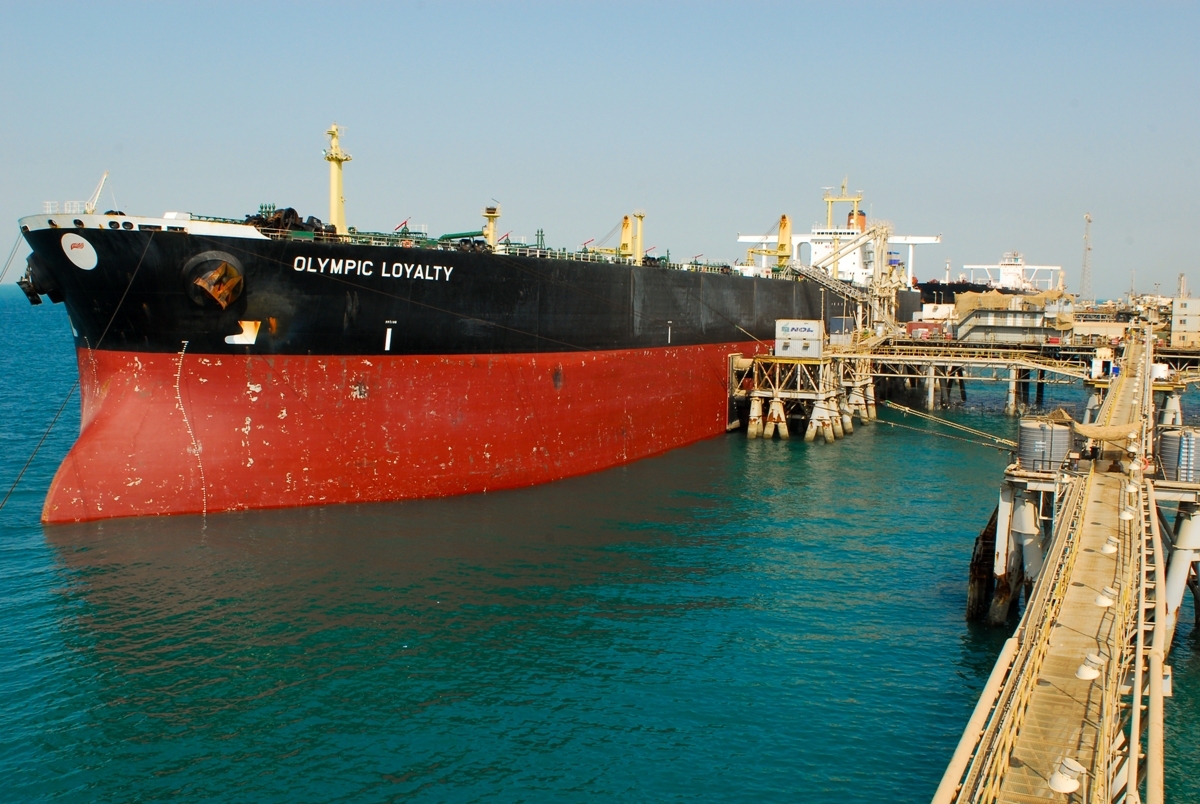
Civil defense crews and firefighters battled the blaze for several hours to keep flames from reaching neighboring power units while evacuating nearby families. Provincial officials reported that dozens of houses and vehicles near the perimeter suffered fire damage, leaving scorched earth and shattered pipeline debris across the site.
How are Iraqi authorities treating the 35 injured residents?
Most of the casualties were residents living next to the plant who sustained varying degrees of burns and severe smoke inhalation. The Basra Health Department placed emergency ambulance teams on high alert to deliver first aid at the scene and transfer wounded civilians to provincial hospitals for intensive care.

Prime Minister Ali Al-Zaidi ordered an urgent investigation to establish the exact cause of the pipeline failure and determine accountability, according to the state news agency INA. He also directed federal and provincial authorities to mobilize all medical resources and prepare financial compensation for affected families.
Why do Persian Gulf and Hormuz energy shocks matter to Indonesia?
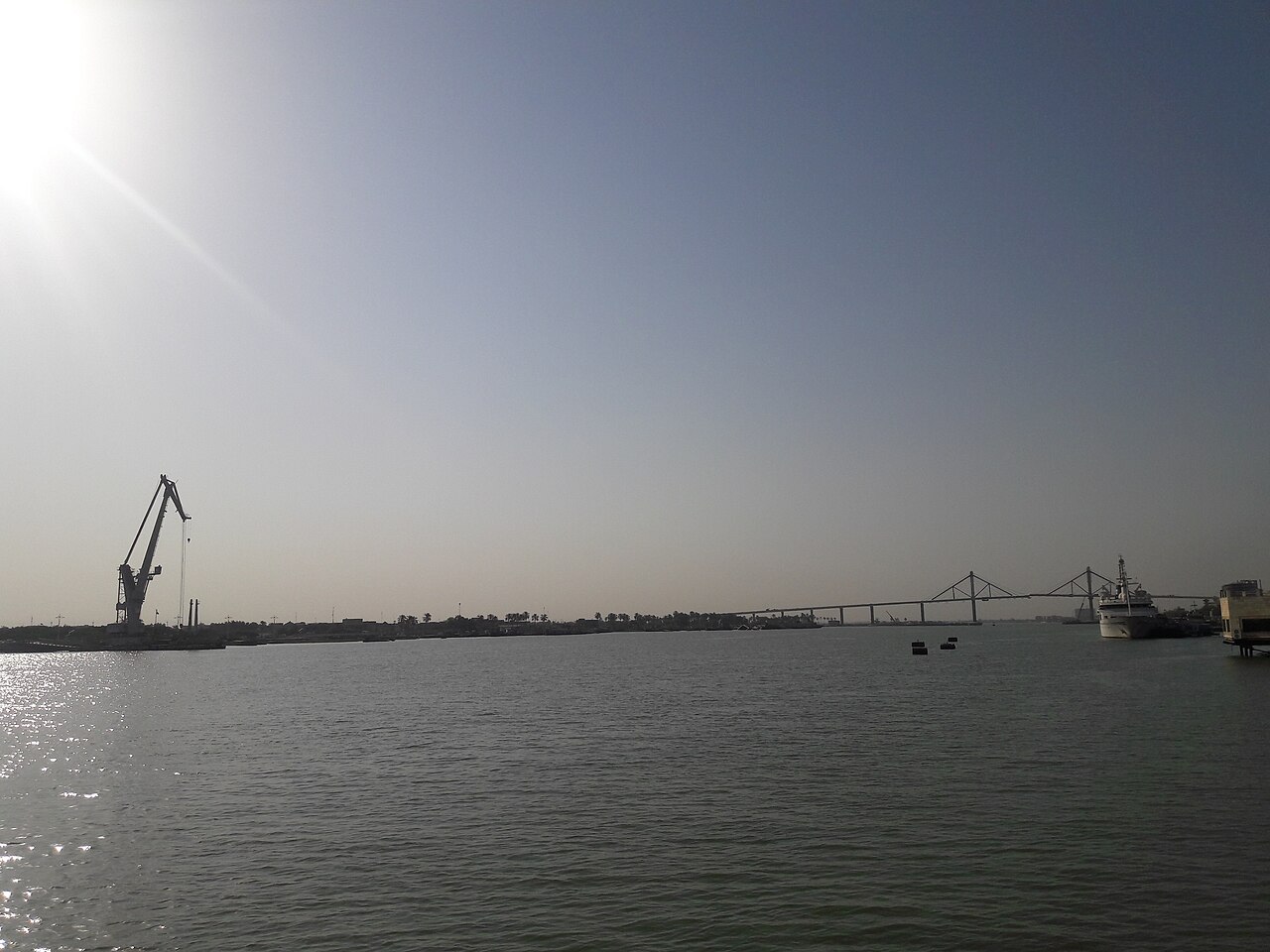
For Indonesia, energy infrastructure disruptions in Basra, Iraq's primary crude export hub at the head of the Persian Gulf near the Iranian border, heighten supply risks along the Strait of Hormuz corridor. With Brent crude holding near $92 to $93 per barrel amid wider Middle East conflict, prolonged Gulf energy instability pressures the Indonesian Rupiah and expands state budget outlays needed to keep subsidized Pertalite at Rp10,000 per liter and Biosolar at Rp6,800 per liter.