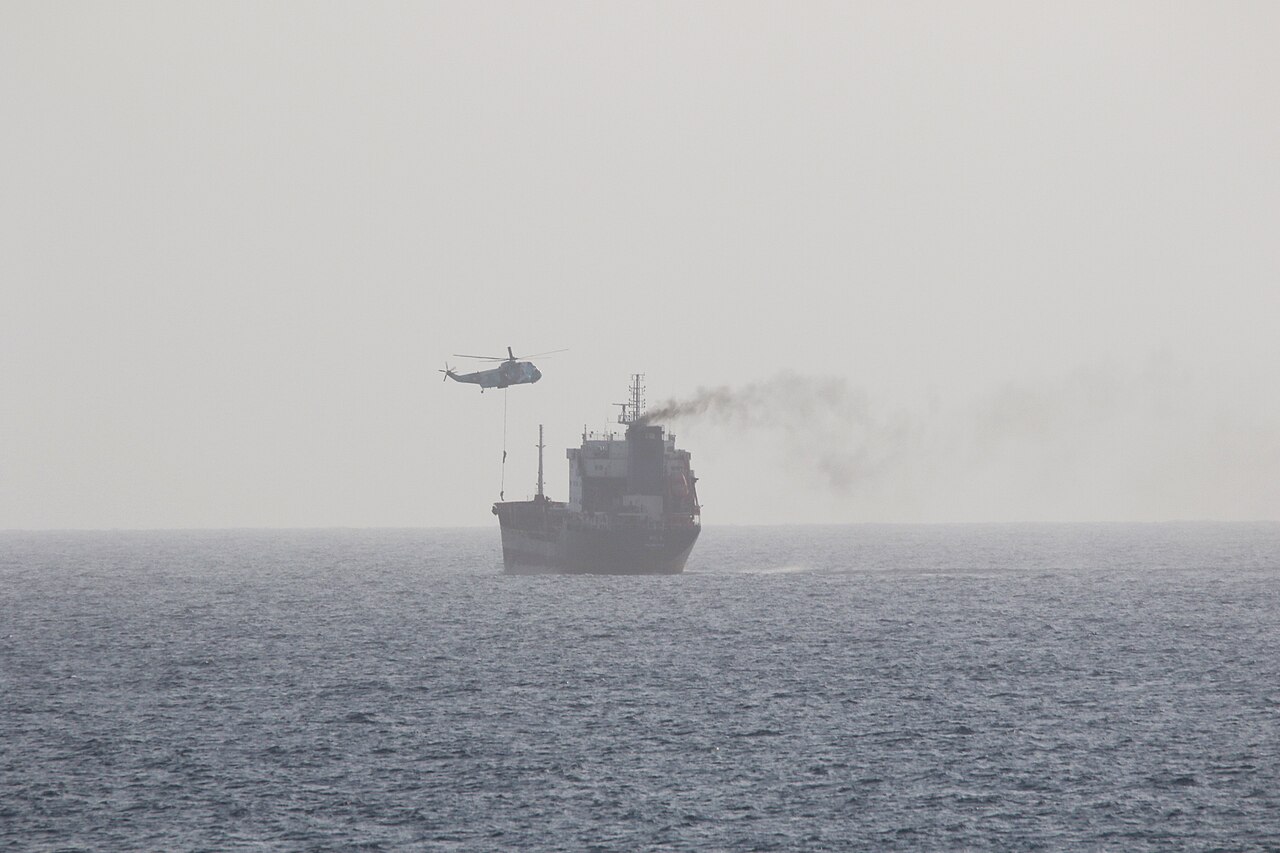
TEHRANIran declared on Monday (23/11/2026) that it will not tolerate a United States naval and economic blockade, branding the maritime siege an act of military aggression. In Tehran, Foreign Ministry spokesman Esmaeil Baghaei said Iran is entitled under Article 51 of the UN Charter to deploy all available means in self-defense, even as London Brent crude slipped $1.32 or 1.43 percent to $91.25 per barrel by 12:56 GMT and US WTI fell 1.37 percent to $82.27.
How did the US naval blockade halt Iranian crude exports?
Washington first imposed the naval blockade on April 13, 2026 during the war launched with Israel on February 28, briefly lifted it in June under a draft understanding, and reinstated it on July 14 after talks collapsed. Visible Iranian crude exports dropped near zero, squeezing an economy reliant on the Strait of Hormuz and southern ports for over 80 percent of trade, while Baghaei dismissed a TankerTrackers.com report of ship-to-ship crude loading as speculation.
Tehran refused to restore full Strait of Hormuz transit unless Washington halts hostilities, lifts the naval blockade, and waives sanctions, saying security could return rapidly once conditions are met. Over the weekend, the UK Maritime Trade Operations agency logged attacks on ships near Hormuz, Yemen's Houthi rebels claimed a Sunday strike on a Saudi refinery, and Bahrain reported a civilian facility strike alongside Revolutionary Guard claims targeting US 5th Fleet sites.
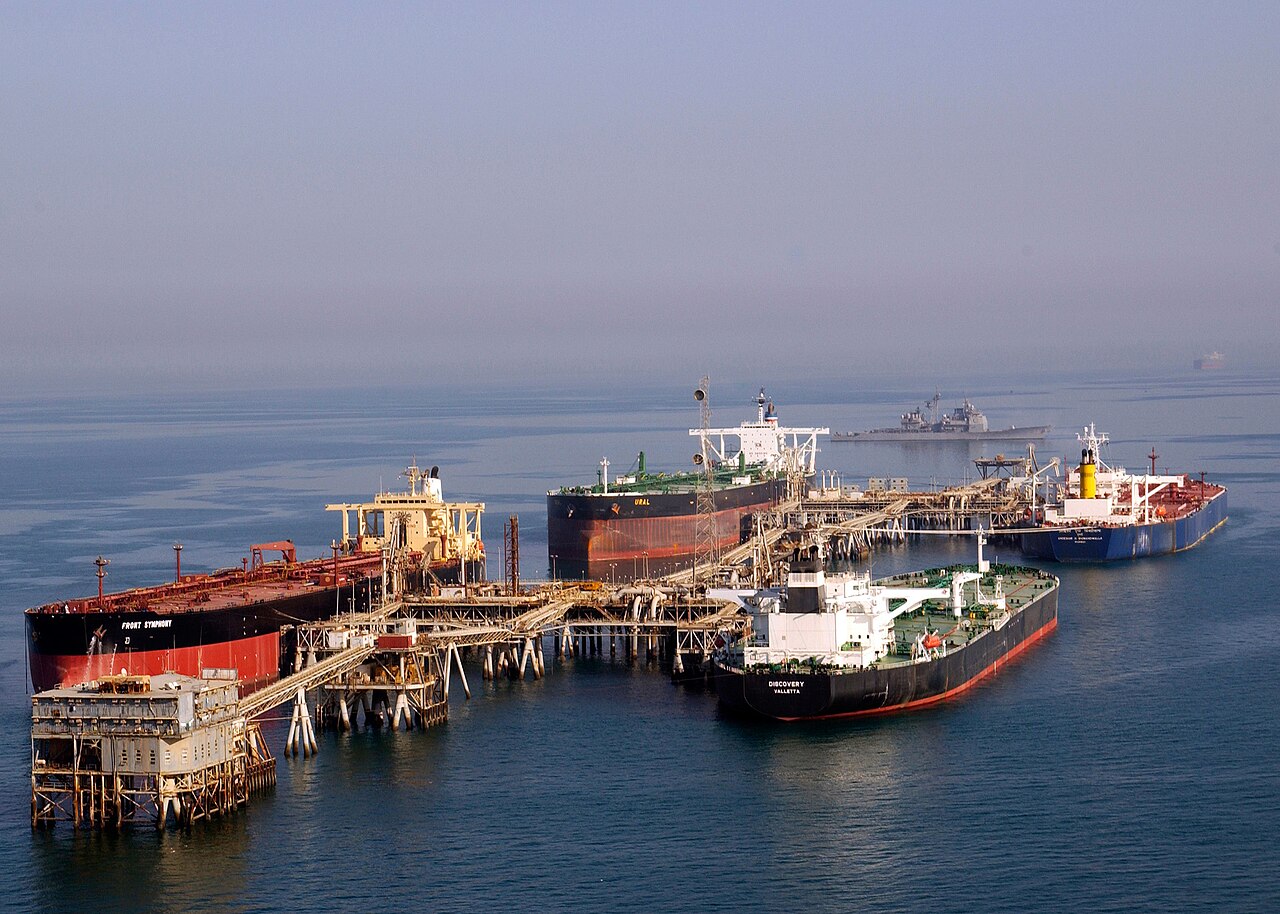
Why did crude prices drop despite tanker and refinery attacks?
Global crude futures nonetheless logged a third straight weekly drop after Brent fell 4 percent and WTI slid 5 percent last week as non-Iranian output grew. Libya's National Oil Corporation told Reuters Monday that its Sharara pipeline reopened to feed Zawiya storage, while JPMorgan forecast futures easing toward the $70s in H1 2027, though PVM analyst Tamas Varga cautioned supply risks persist ahead of the November 29 OPEC+ meeting.
Energy diplomacy also stalled as COP31 climate talks in Turkey deadlocked Sunday without fossil-fuel phaseout language following lobbying by Gulf producers. Earlier AIGOS reporting noted markets welcomed President Donald Trump pausing fresh Iran strikes after midterm elections, although Trump warned new strikes could follow after New Year if negotiations fail.

What Brent above $91 and rupiah pressure mean for Indonesia
For Indonesia, a net fuel importer, Brent crude above $91 remains well past the 2026 state budget assumption of $70 per barrel while the rupiah closed at Rp18,203 per dollar (JISDOR Rp18,223) on Monday. Finance Ministry figures through October 31 show subsidies and compensations already reached Rp415.8 trillion—93 percent of the annual target—as Pertalite remained capped at Rp10,000 per liter against an economic cost of Rp18,102 at an average $94.4 ICP.