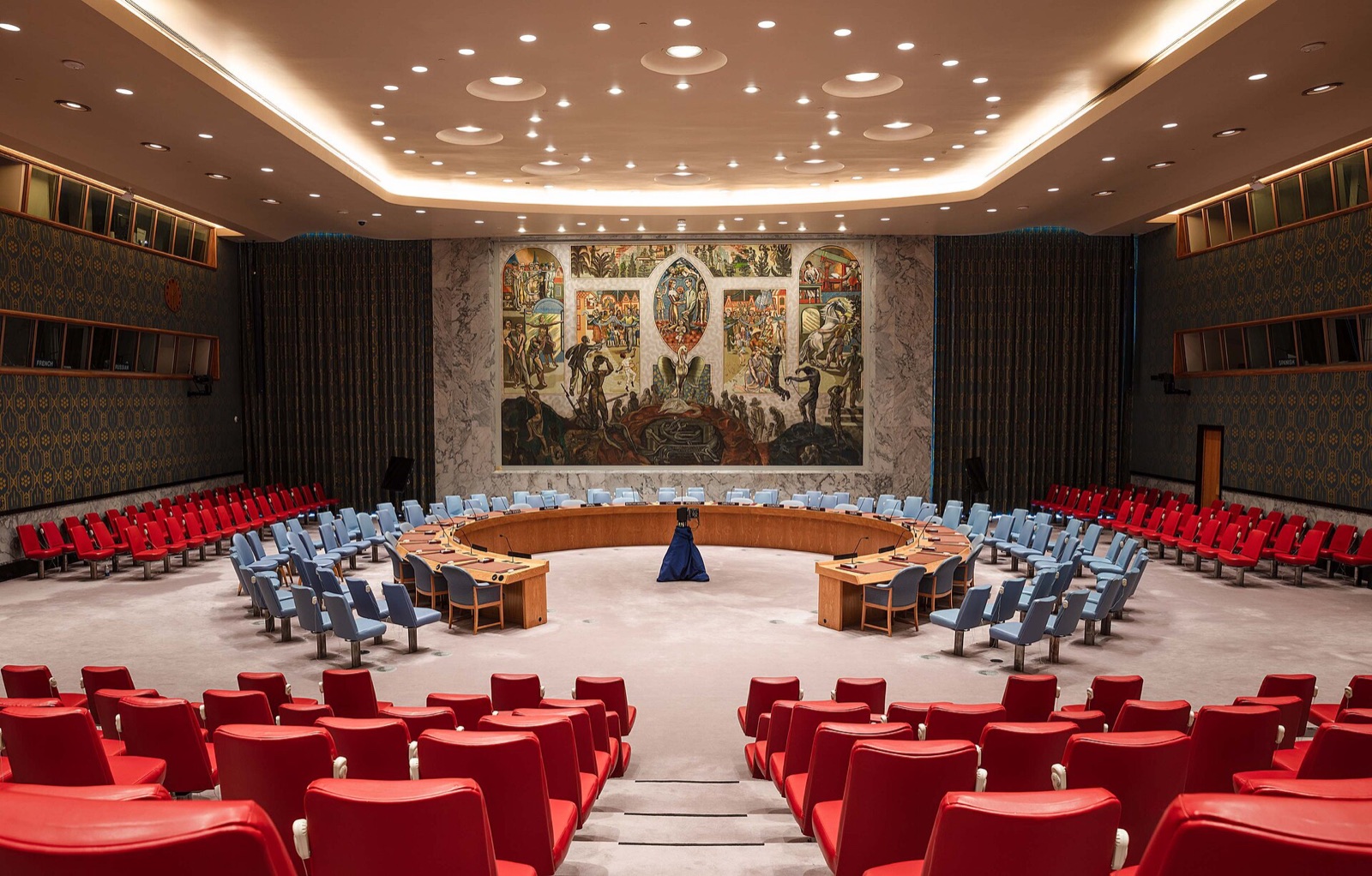
NEW YORKNEW YORK — The Board of Peace has warned that the Gaza ceasefire could collapse if the agreement is not implemented. The Associated Press reported the warning from a copy of the body’s report to the UN Security Council delivered on Tuesday, November 17, 2026.
According to AP, the oversight body urged Israel and Hamas to fulfill their commitments and sought the Council’s help in overcoming delays. The report identified the gap between the agreement and conditions on the ground as a central risk. AP did not include new responses from either party; the warning does not mean the ceasefire has been declared over.
The UN resolution
The Security Council adopted the framework for the process a year earlier. Resolution 2803, passed on November 17, 2025, endorsed a plan to end the conflict and called for its full implementation, including maintaining the ceasefire.
The resolution welcomed the Board of Peace as a transitional administration and authorized a Palestinian technocratic committee for civilian services. It also authorized a temporary stabilization force, requested a progress report from the board every six months, and set authorization through the end of 2027, subject to further Council action.
In an annual report dated September 2026, the UN committee on Palestinian rights said the ceasefire and hostage-release agreement took effect on October 10, 2025, following mediation by Egypt, Qatar, Türkiye and the United States. The committee recorded that a national committee to administer Gaza was formed in January 2026. This document provides background; it is not an assessment of the board’s new report.
Humanitarian conditions
Humanitarian conditions remain a separate concern. On November 13, the UN Office for the Coordination of Humanitarian Affairs (OCHA) reported that 228 aid trucks were offloaded on the Israeli side of Kerem Shalom during November 2–8, around 42 percent fewer than the previous week. OCHA attributed the decline partly to Israeli authorities suspending the Egyptian corridor and funding constraints that limited partners’ supplies.
At a UN briefing in Geneva on November 17, the International Organization for Migration’s Gaza program head, Karl Baker, said restricted access and funding shortfalls were hampering the winter response. He urged states to press for additional crossings and predictable entry of shelter materials.
At the same briefing, World Food Programme Palestine director Shaun Hughes said limited funding and access were affecting assistance. These UN agency accounts describe humanitarian conditions; they are separate from the board’s warning as reported by AP.