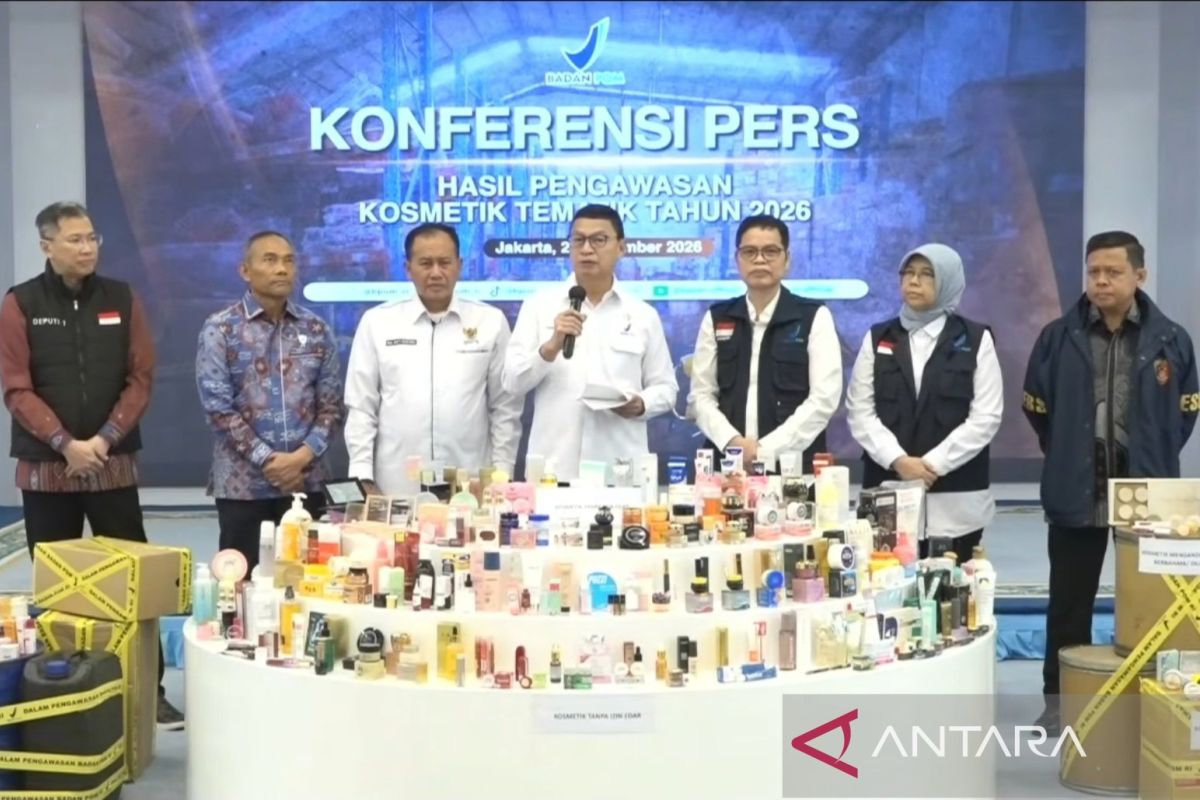
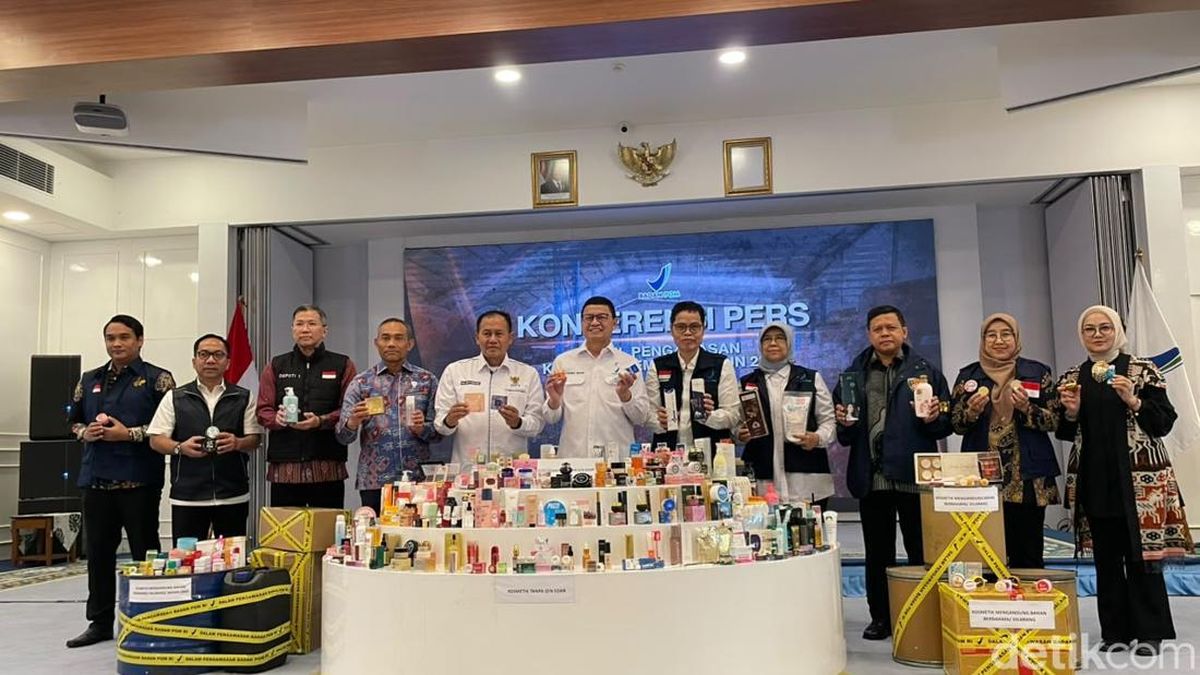
JAKARTAIndonesia's Food and Drug Authority (BPOM) uncovered Rp131.8 billion (about US$7.1 million) worth of illegal and non-compliant cosmetics during October 2026 thematic surveillance, marking a nearly 400 percent surge over previous years. Speaking at a press briefing in Jakarta on Thursday (26/11/2026), BPOM Head Prof. Taruna Ikrar said the tally combines Rp108 billion from online cyber patrols and Rp23.8 billion from on-site inspections of manufacturers and distributors.
Where did the illegal cosmetics come from and what rules were broken?
Illegal imports accounted for 75.8 percent of the seized products, originating mainly from China, South Korea, and Thailand, with over 60 percent lacking Indonesian marketing authorization. In digital monitoring of 8,480 product listings, BPOM flagged 8,292 links—or 97.78 percent—for takedown, with nearly 88 percent advertising unauthorized goods and 12.27 percent promoting banned substances.
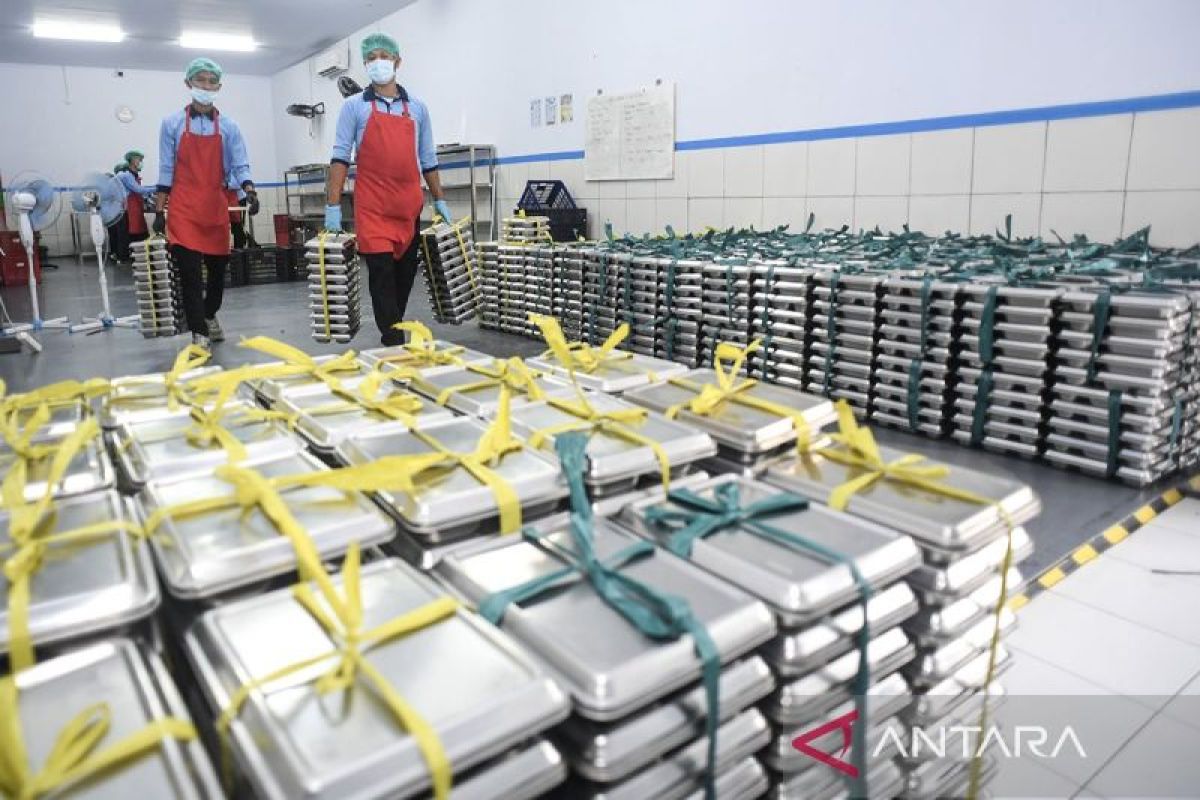
Field inspections of 171 physical facilities found 89 sites, or 52.05 percent, in violation, uncovering 1,332 product types totaling 156,126 items. On-site infractions comprised unauthorized cosmetics at 66.70 percent, hazardous ingredients at 21.95 percent, illegal imports at 11.34 percent, and misused injectable items at 0.01 percent, led by East Java, Banten, and Yogyakarta, whereas online shipments originated chiefly from Jakarta (Rp30.9 billion), West Java (Rp12.7 billion), and East Java (Rp11.1 billion).
What hazardous ingredients did BPOM detect in the products?
Laboratory testing detected prohibited pharmaceuticals and toxic chemicals across both imported and local brands, including retinoic acid, hydroquinone, mercury, dexamethasone, mometasone, and clindamycin. Through the third quarter of 2026, BPOM had already recommended removing 190,510 digital links to the Ministry of Communication and Digital Affairs (Komdigi), 35.5 percent of which involved cosmetics.
Exposure to those banned compounds carries severe clinical hazards for consumers, ranging from skin irritation and permanent discoloration to hormonal disruption, kidney damage, cancer, fetal birth defects (teratogenic risk), and antimicrobial resistance.

What sanctions apply and how can Indonesian consumers stay safe?
For Indonesian consumers who increasingly purchase skincare on social commerce and marketplaces, BPOM imposed recalls, product destruction, permit revocations, temporary business suspensions, import-access block requests to Customs, and potential pro justisia prosecution. The agency urged shoppers to apply its KLIK check—Packaging, Label, Marketing Authorization, and Expiration Date—and report suspicious listings to its 1500533 hotline.
To curb repeat online sales, BPOM is coordinating directly with Komdigi and the Indonesian E-Commerce Association (IDEA) to remove all 8,292 flagged listings swiftly.