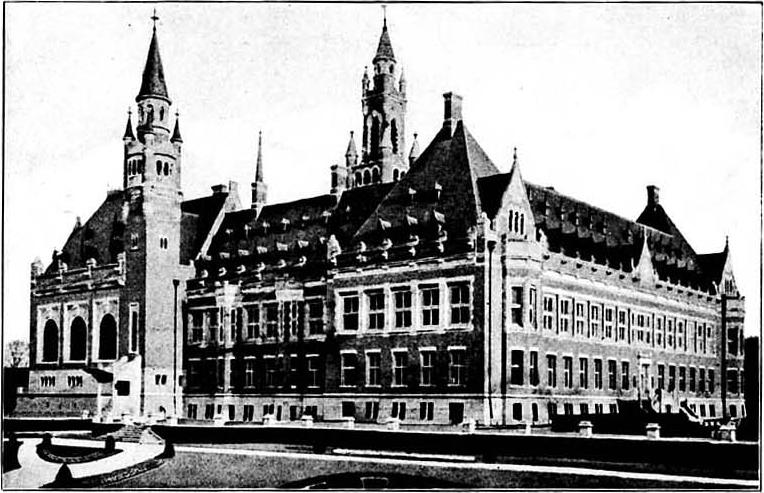
THE HAGUEThe International Court of Justice (ICJ) in The Hague has ruled by a 9-6 majority that Myanmar committed genocide against its Rohingya Muslim minority in northern Rakhine State in 2017. Delivered by a 15-judge panel on Thursday, November 19, 2026, in a lawsuit filed by The Gambia, the landmark judgment marks the first time a sovereign state has been found responsible for breaching the 1948 Genocide Convention.
What evidence led ICJ judges to convict Myanmar of genocide?
ICJ President Yuji Iwasawa cited roughly 10,000 killings—including children—widespread sexual violence, razed villages, and the forced displacement of more than 700,000 Rohingya into Bangladesh as proof of genocidal intent alongside broad destruction of evidence. The court ordered Myanmar to prevent future atrocities, punish perpetrators, and facilitate safe, voluntary, and dignified repatriation alongside reparations.
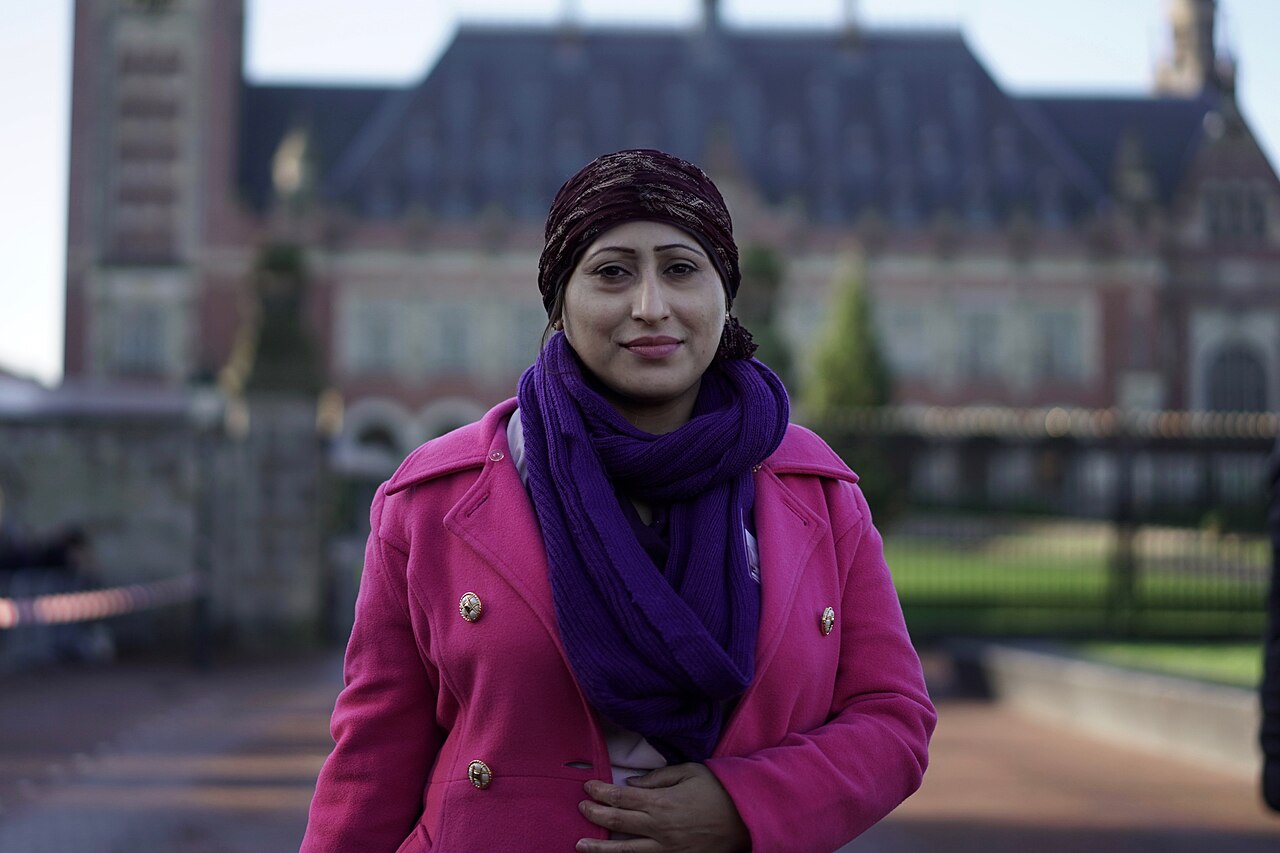
Myanmar rejected the verdict, citing six dissenting opinions and maintaining that its forces targeted Arsa militants rather than civilians. Still, former UN lawyer Oliver Windridge told the BBC that the ruling proves state-level genocidal intent can be established from systematic military patterns and UN fact-finding records even without an explicit written order.
Why does the Myanmar verdict matter for South Africa's Gaza case?
Legal attention turned swiftly to South Africa's pending ICJ genocide case over Israel's war in Gaza, where full hearings are projected for 2029. South African Foreign Minister Ronald Lamola hailed the Myanmar precedent as vital for arguing how civilian infrastructure destruction and disproportionate harm to women and children qualify under the Genocide Convention, while Israel rejects Pretoria's allegations as baseless.

International law scholars cautioned that every docket turns on its own evidence even as the analytical door widens. University of Amsterdam professor Marieke de Hoon said the court rejected claims that military objectives erase genocidal intent, Israeli scholar Yuval Shany noted broader contextual proofs aid South Africa, Gambia lawyer Philippe Sands KC stressed facts remain decisive, and pro-Israel think tank Thinc warned of a lower evidentiary bar.
How did Indonesian lawmakers react and what is at stake for Jakarta?
Why it matters for Indonesia: in Jakarta on Saturday, November 21, 2026, House Commission I Deputy Chair Sukamta welcomed the ICJ judgment and urged Indonesia and ASEAN not to shield behind non-interference when pressing Myanmar on safe repatriation and citizenship rights. He also called on Indonesia's government to leverage the Hague precedent in stepping up legal diplomacy for Palestinians in Gaza while managing regional Rohingya refugee pressures.