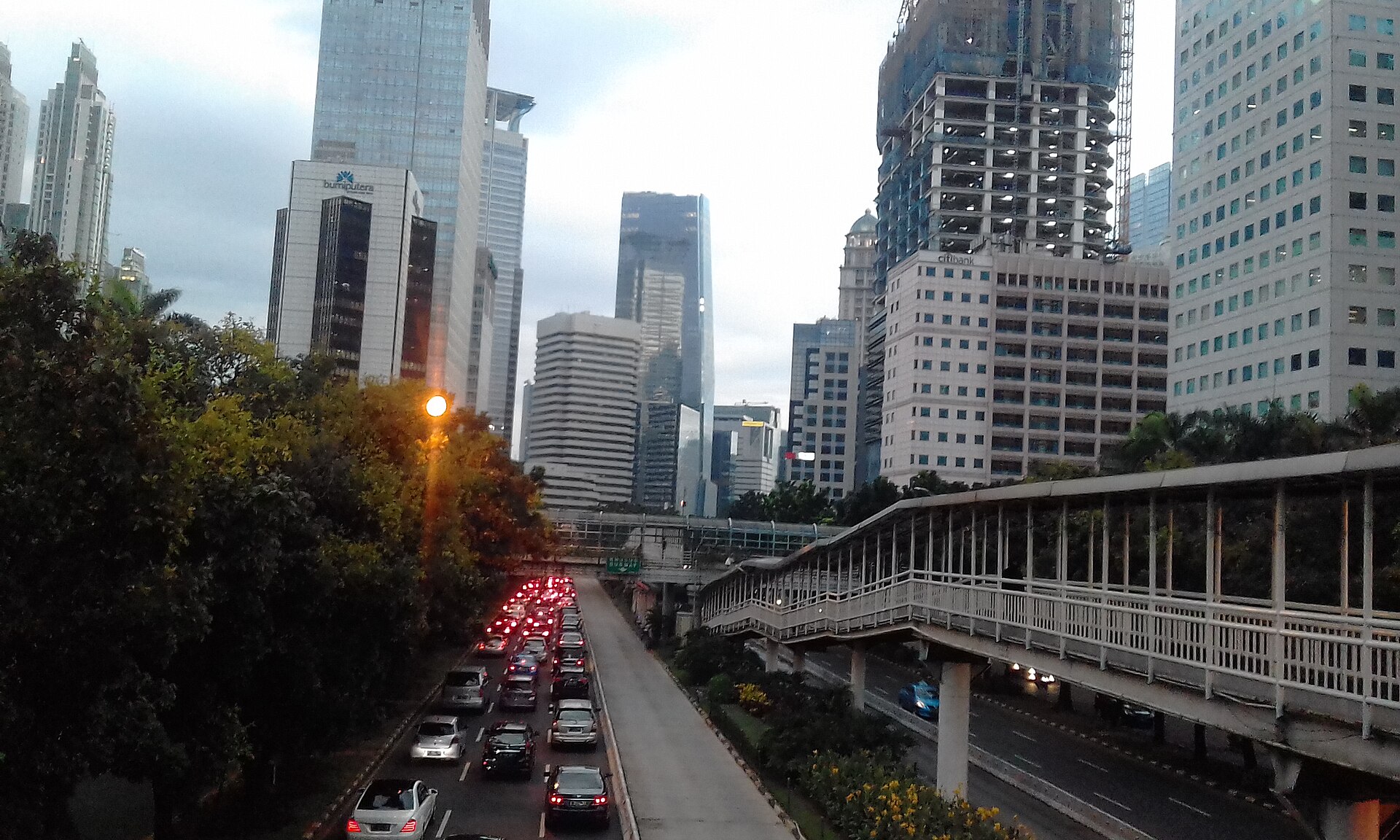
JAKARTAIndonesia's benchmark Jakarta Composite Index (IHSG) staged a sharp turnaround on Monday morning, November 23, 2026, climbing 60.11 points or 1.17 percent to 5,206.43 by 10:35 a.m. WIB on the Indonesia Stock Exchange (IDX). The index had opened weaker at 5,134.06 and briefly tumbled more than 1.5 percent to an intraday low of 5,062.09 before bargain hunting pushed it to a morning peak of 5,208.17.
Which sectors and blue-chip stocks drove the IHSG rebound?
The mid-morning equity rebound was spearheaded by a 3.1 percent surge in basic materials stocks, alongside gains of 1.2 percent in the energy sector and 0.8 percent in financials. Refinitiv market data showed five heavyweight issuers anchoring the advance: Bank Central Asia (BBCA), Barito Pacific (BRPT), Chandra Asri Pacific (TPIA), Bumi Resources Minerals (BRMS), and Amman Mineral Internasional (AMMN).
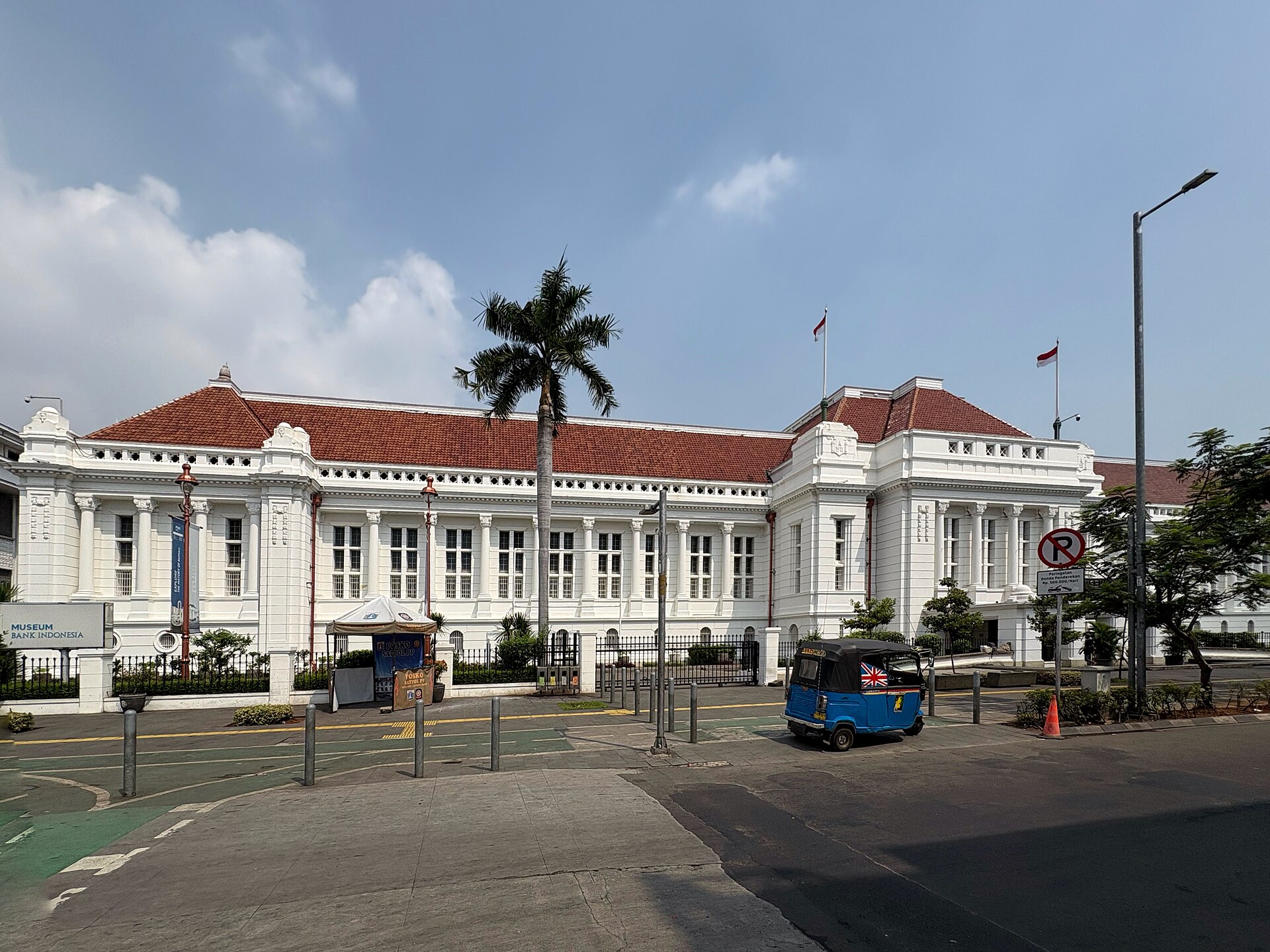
Trading turnover across the bourse reached Rp4.1 trillion across 191.05 million lots by mid-session, reflecting renewed institutional participation after an early sell-off that saw 223 stocks decline in the opening five minutes. Gains were partially capped by pullbacks in Telkom Indonesia (TLKM), Indofood Sukses Makmur (INDF), GoTo Gojek Tokopedia (GOTO), United Tractors (UNTR), and Perusahaan Gas Negara (PGAS), leaving the benchmark down 40.97 percent year-to-date in 2026.
Why did the rupiah open near Rp18,270 per US dollar?
In the foreign exchange market, the Indonesian rupiah opened 0.05 percent softer at Rp18,270 per US dollar on Refinitiv compared with Friday's close of Rp18,260, while Bloomberg quoted the pair at Rp18,283 and RTI Business recorded Rp18,273. The US dollar has strengthened between 9.57 percent and 9.59 percent against the rupiah over the course of 2026, even as the US Dollar Index (DXY) edged down 0.05 percent on Monday morning to 103.760.

External rate pressure eased after the CME FedWatch Tool indicated that market odds of an aggressive 50-basis-point Federal Reserve rate hike at the December 8-9, 2026 meeting fell from 11.5 percent last week to zero. Traders now price in an 88.6 percent probability of a standard 25-basis-point increase and an 11.4 percent chance of a pause, while awaiting Bank Indonesia's October 2026 broad money supply (M2) report and flash US manufacturing PMI data projected at 54.5.
How the IEU-CEPA pact and 2027 minimum wage affect Indonesia
For Indonesian exporters, manufacturers, and retail investors, domestic sentiment this week is bolstered by Friday's signing of the Indonesia-European Union Comprehensive Economic Partnership Agreement (IEU-CEPA) and Investment Protection Agreement in Brussels, covering US$30 billion in annual bilateral trade and US$25 billion in five-year European investment. Market participants are simultaneously weighing 2027 provincial minimum wage (UMP) decisions across 22 provinces—headed by Jakarta at Rp6,136,941 and Bali's 42.15 percent hike to Rp4,559,287—alongside President Prabowo Subianto's scheduled submission of two vice-presidential nominees to the People's Consultative Assembly (MPR) on Wednesday, November 25.