Indonesia's parliament has passed a law on the seizure of assets linked to corruption and other crimes, ending a legislative process that began in 2008. The law covers several categories of offences, but will not apply retroactively and cannot take effect until two agencies are established.
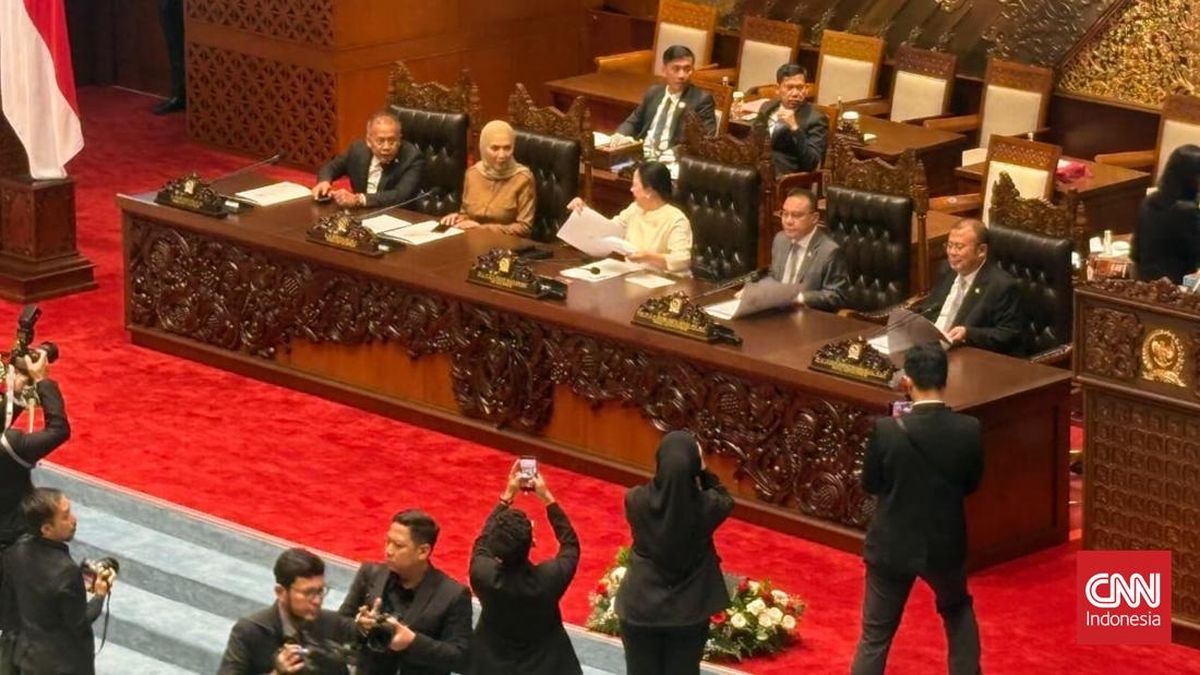
The House of Representatives approved the measure at a plenary session on Thursday, November 19, 2026, attended by 361 of its 573 members. Speaker Puan Maharani chaired the meeting and sought the factions' approval. Nasir Djamil, a member of the bill's working committee from the Prosperous Justice Party, said the proposal had been awaited by the public since work began in 2008.
According to CNN Indonesia, the law covers corruption, narcotics and psychotropic substances, terrorism and its financing, people smuggling, arms and hazardous materials smuggling, human trafficking, and certain fraud or embezzlement offences. Its explanatory text lists online gambling, investments, hajj and umrah travel, and crypto among examples of the fraud or embezzlement concerned.
Article 5 allows other lawful assets belonging to an offender to be seized to pay losses equal to the value of assets declared forfeited to the state. Such seizure requires a final court decision and consideration of proportionality. In specified circumstances, including when a suspect or defendant has died, fled or is permanently ill, assets worth at least 1 billion rupiah can be forfeited without a criminal conviction.
The law does not address unexplained increases in officials' wealth. Indonesia Corruption Watch researcher Azhim criticised that omission, while parliamentary commission chair Habiburokhman said the concept was considered contrary to human rights. The president is tasked with establishing an asset management and forfeiture agency, alongside an oversight body. The two bodies have up to one year from enactment to be formed, and the law applies only to offences committed after it takes effect.