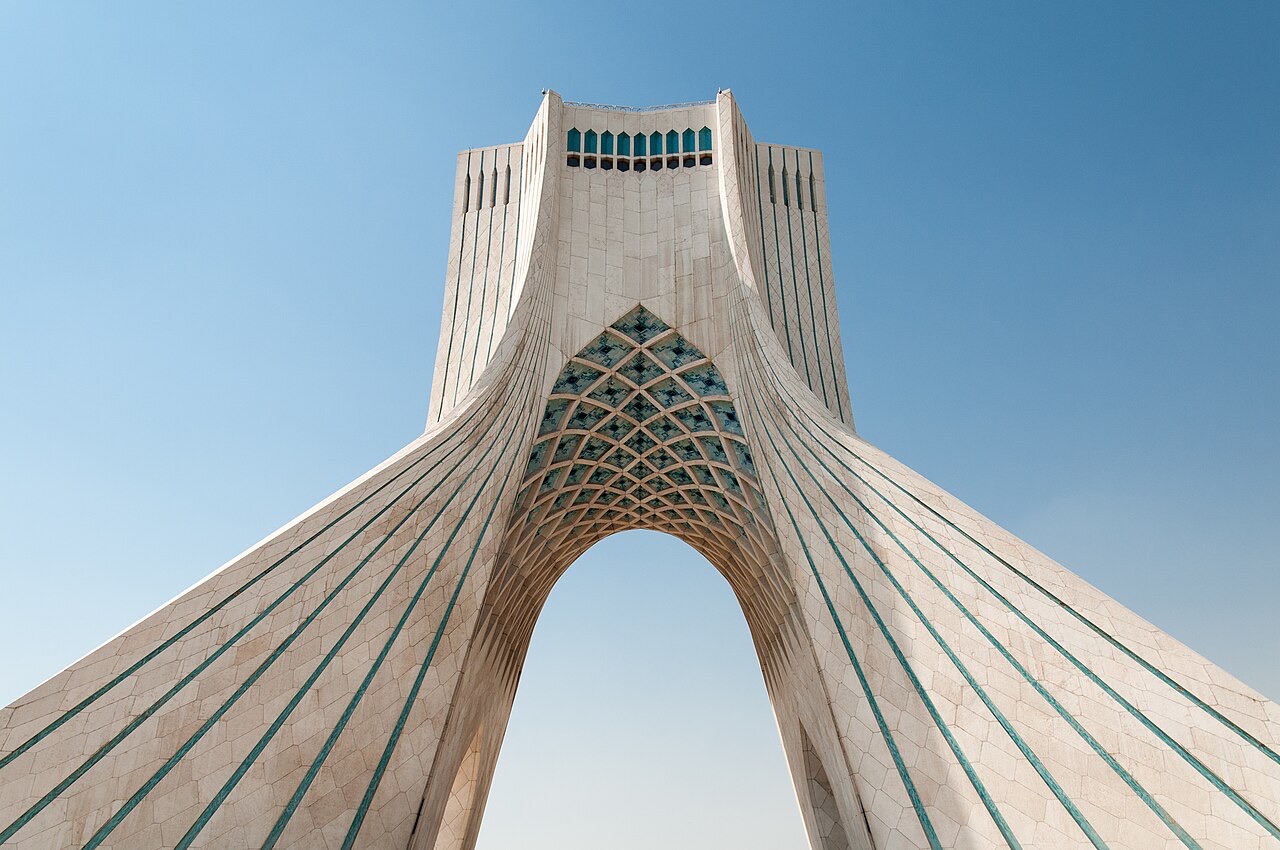
TEHRANIranian President Masoud Pezeshkian has acknowledged that economic warfare and tightening United States pressure are proving harder for Tehran to withstand than direct missile strikes, as war-damaged gas infrastructure leaves the country facing acute winter shortages.
Addressing an annual capital markets conference on Saturday (Nov 21, 2026), Pezeshkian warned that Iran is locked in a complex economic struggle rather than a straightforward military exchange. Although Iran holds the world's second-largest proven natural gas reserves behind Russia, officials last week projected a peak winter supply shortfall of roughly 430 million cubic meters per day threatening households and factories.
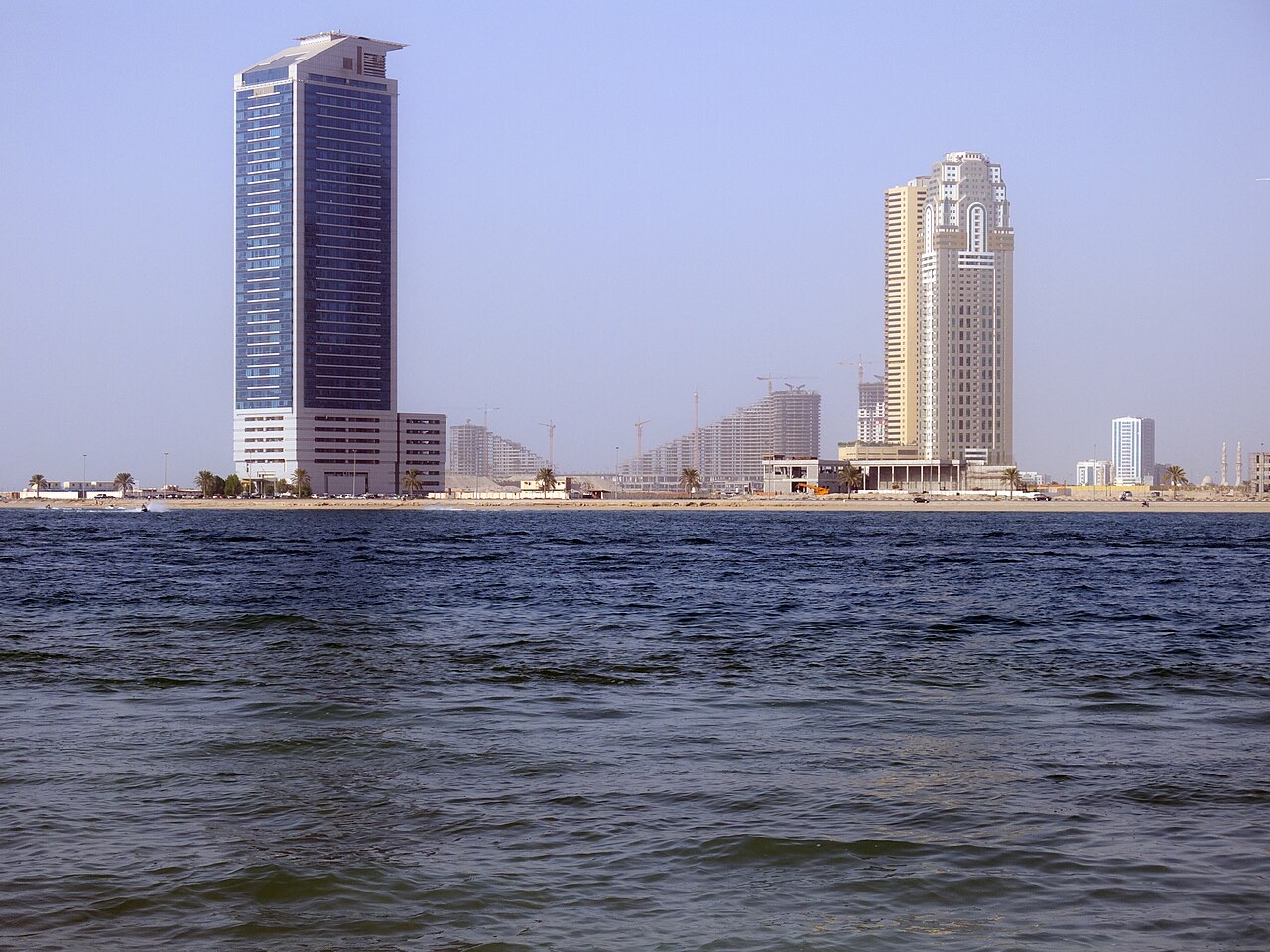
What are Tehran's conditions to reopen the Strait of Hormuz?
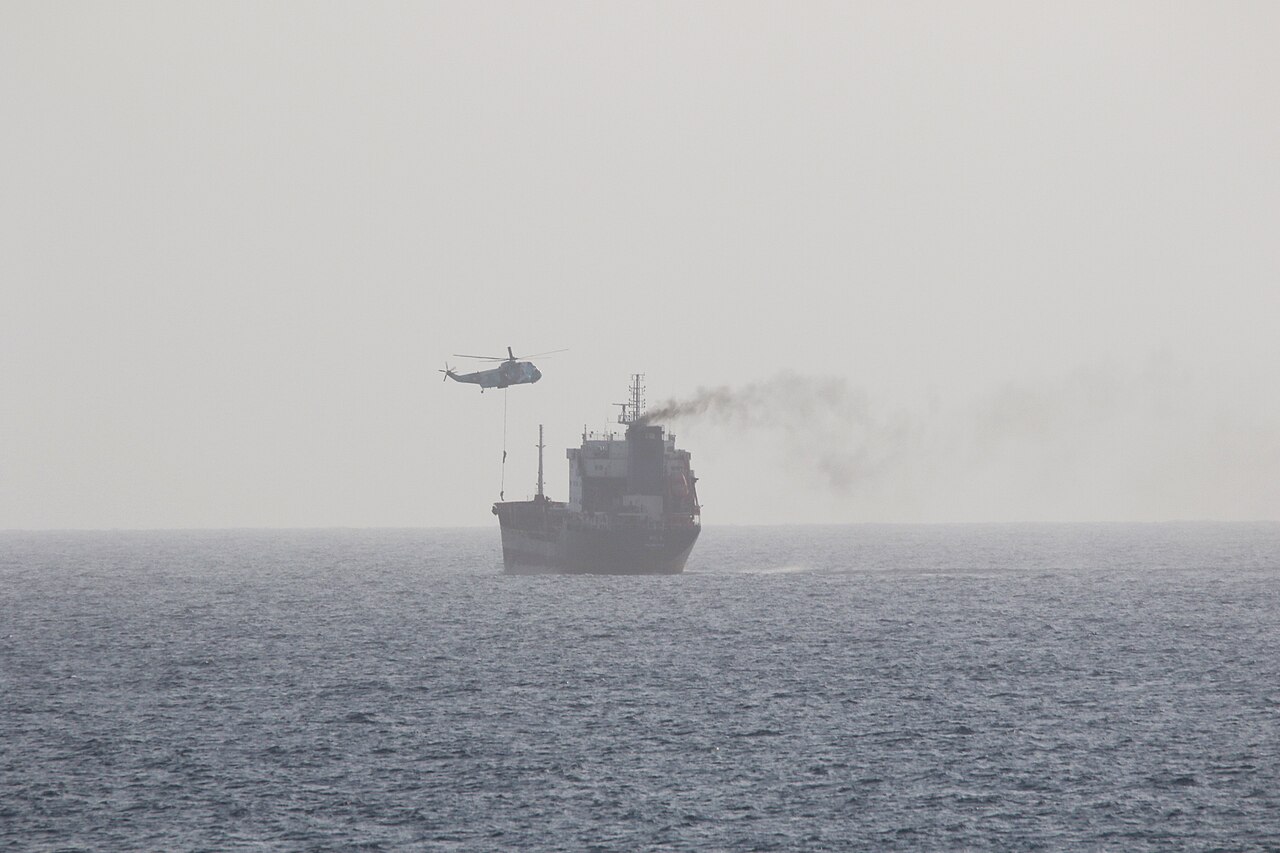
Tehran signaled it could help restore security in the Strait of Hormuz only if Washington lifts its naval blockade, eases sanctions, and implements provisions of a bilateral memorandum of understanding. Foreign Ministry spokesman Esmaeil Baqaei told reporters in Tehran on Monday that authorities are examining coordinated measures to confront and neutralize US blockade restrictions, according to semi-official Tasnim news agency.
Iran's energy crunch reflects both decades-old infrastructure starved of investment under international sanctions and direct wartime damage. National Iranian Gas Company chief Saeed Tavakoli recently disclosed that 26 projectiles struck six refineries on March 18, knocking out 28 percent of national gas output immediately after the strikes, while limited storage capacity and inefficient consumption compounded the strain.

How are the US and Israel responding to Iran's pressure?
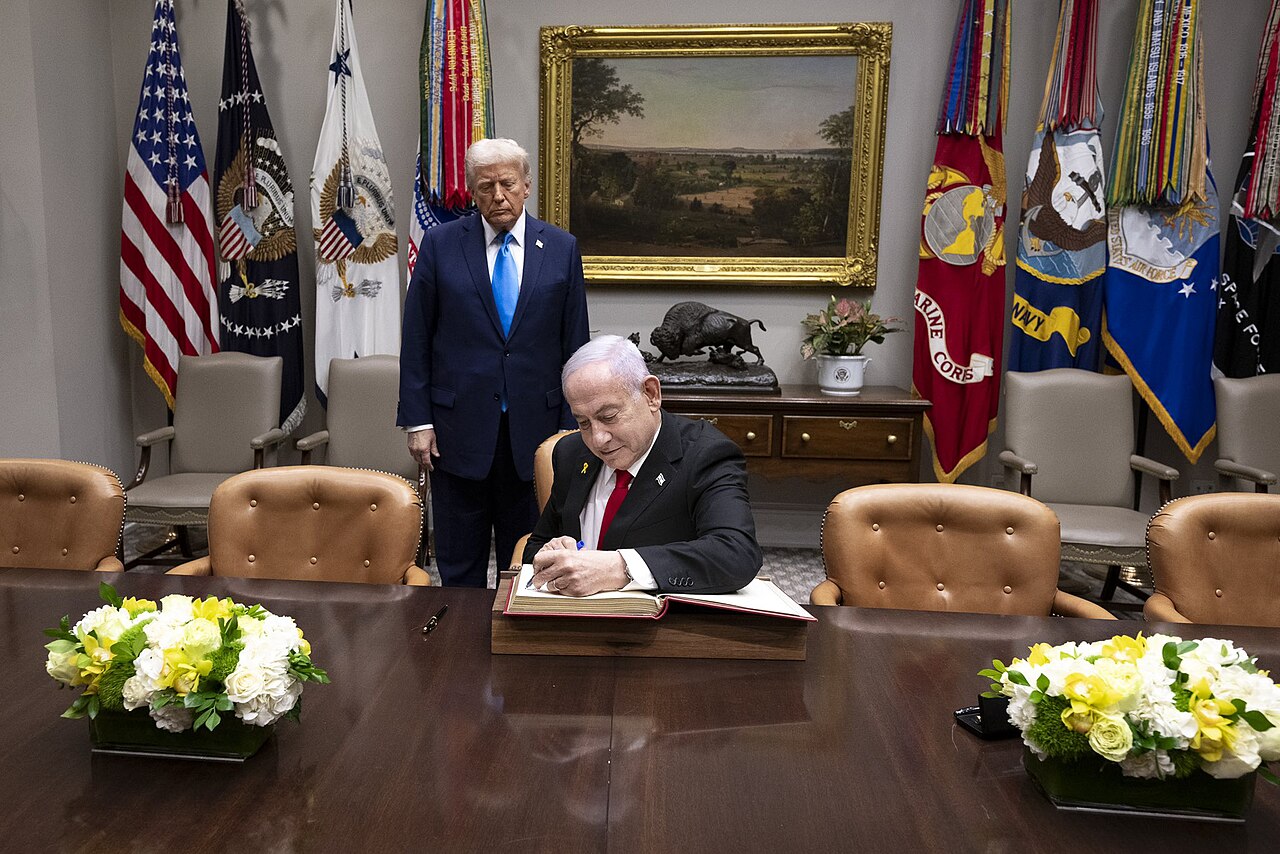
In Washington, US Treasury Secretary Scott Bessent argued that mounting economic isolation has placed severe pressure on Iran's leadership and could fracture cohesion inside the Islamic Revolutionary Guard Corps. Meanwhile, Israeli Prime Minister Benjamin Netanyahu has pressed President Donald Trump to consider renewed military action against Tehran while regional tensions remain volatile.
For Indonesia—a net oil and liquefied petroleum gas importer defending rupiah stability and state fuel subsidies—persistent standoff over the US blockade and Strait of Hormuz navigation keeps global energy shipping premiums elevated. Any renewed disruption to Persian Gulf energy flows carries immediate fiscal and inflation stakes for Southeast Asia's largest economy.